

How to Choose the Perfect Affordable Kitchen Chimney
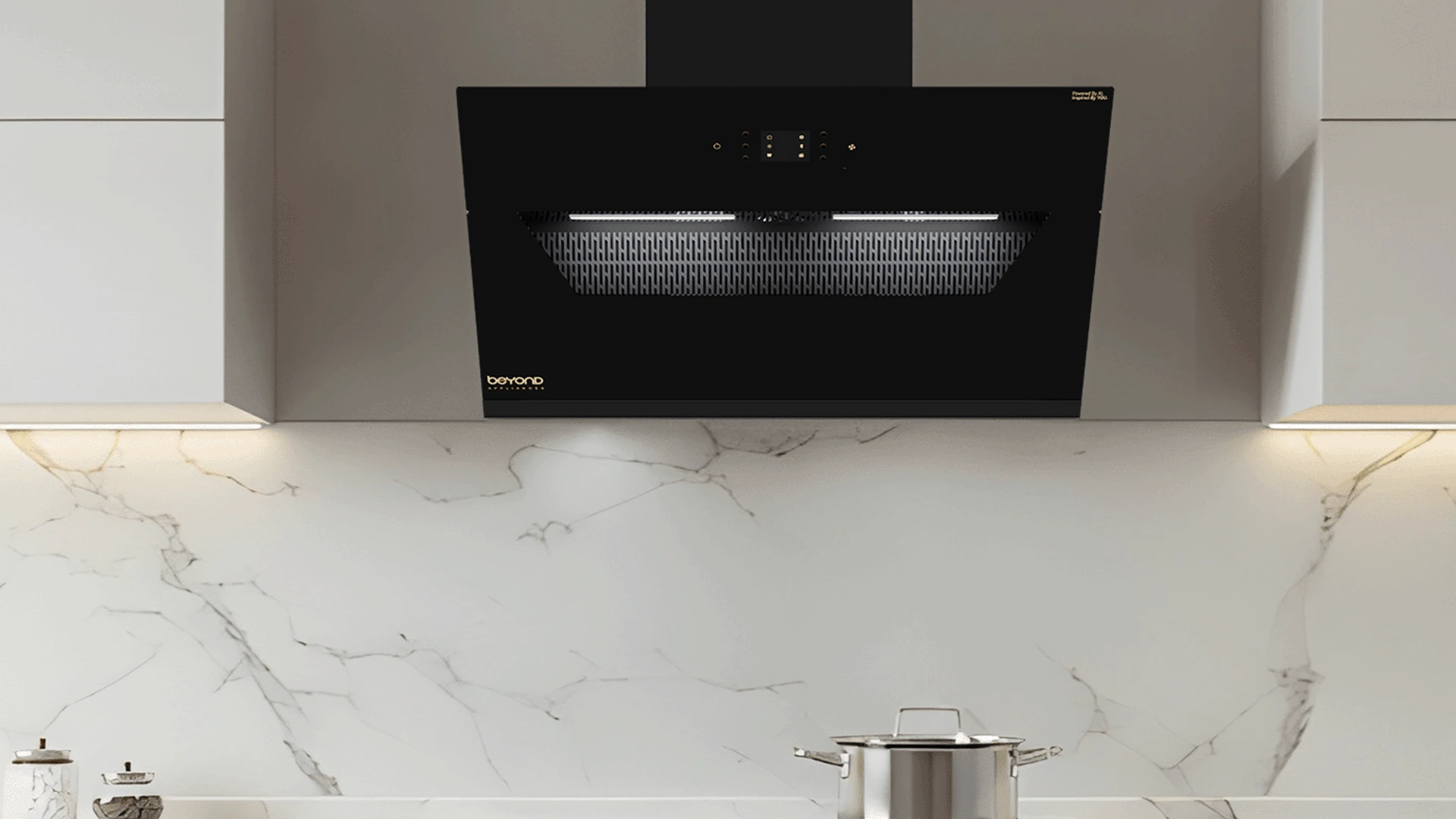
Finding the right affordable modern kitchen chimneys can transform your cooking experience without breaking the bank. With countless options available in today's market, choosing the perfect kitchen chimney requires understanding your specific needs, kitchen layout, and budget constraints. Modern homemakers seek appliances that combine functionality with style, offering efficient ventilation while complementing their kitchen's aesthetic appeal. Whether you're renovating your existing kitchen or setting up a new one, selecting the right chimney involves considering factors like suction power, design, maintenance requirements, and long-term value. This comprehensive guide will help you navigate through various options and make an informed decision that suits both your cooking habits and budget.
Modern kitchen ventilation systems come in various designs, each offering unique advantages for different kitchen layouts and cooking styles. Understanding these types helps you choose the most suitable option for your home. The right chimney type can significantly impact both functionality and visual appeal of your kitchen space.
Wall mounted chimney designs represent the most traditional and widely used option in Indian kitchens. These chimneys attach directly to the wall above your cooktop, providing excellent suction power and coverage. They work best in standard kitchen layouts where the cooking area is positioned against a wall. Installation requires proper wall support and adequate clearance from the cooktop surface. Most wall-mounted models offer robust performance with suction capacities ranging from 400 to 1200 CMH, making them suitable for heavy cooking requirements.
Ductless kitchen chimney systems offer exceptional flexibility for modern homes, especially apartments where external ducting isn't feasible. These units use advanced filtration technology to clean and recirculate air back into the kitchen. They feature multiple filter layers, including baffle filters and carbon filters, to effectively remove grease, smoke, and odors. Installation is simpler since no external ducting is required, making them perfect for rental properties or compact kitchen spaces.
Curved chimneys provide a sleek, modern chimney design that adds elegance to contemporary kitchens. Their smooth lines and glass surfaces create a sophisticated look while maintaining excellent functionality. T-shaped chimneys offer a more angular, minimalist appearance that complements modern kitchen aesthetics. Both designs are available in various sizes and finishes to match different kitchen themes and color schemes.
When selecting an affordable range hood, certain features determine both immediate performance and long-term satisfaction. These features directly impact cooking comfort, maintenance requirements, and overall kitchen experience. Understanding these elements helps you prioritize what matters most for your specific cooking needs.
Suction power, measured in Cubic Meters per Hour (CMH), determines how effectively your chimney removes smoke, steam, and cooking odors. For small to medium kitchens, 400-600 CMH provides adequate performance for regular cooking. Larger kitchens or heavy cooking requirements need 800-1200 CMH capacity. Energy efficient chimney models balance powerful suction with lower electricity consumption, typically using 150-250 watts of power. Consider noise levels alongside suction power, as higher capacity motors can generate more operational noise.
Modern chimneys use different filter types to capture grease and particles. Baffle filters, made of stainless steel or aluminum, offer excellent durability and easy cleaning. They create turbulence that separates grease from air effectively. Cassette filters provide basic filtration at lower costs but require more frequent replacement. Auto-clean technology uses heat to liquefy oil deposits, significantly reducing manual cleaning frequency from weekly to monthly maintenance.
User-friendly controls enhance daily operation convenience. Touch controls provide a modern interface with easy cleaning, while push-button controls offer reliable, cost-effective operation. LED lighting illuminates the cooking surface effectively while consuming minimal energy. Timer functions allow automatic shut-off after preset intervals, improving energy efficiency and extending motor life.
Proper sizing ensures optimal performance while maintaining kitchen aesthetics and functionality. Compact kitchen chimney selection requires careful measurement and consideration of available space. The right size chimney provides complete coverage of your cooking area while fitting seamlessly into your kitchen design.
Standard chimney sizes include 60cm, 75cm, and 90cm widths to match different cooktop configurations. The chimney should be equal to or slightly larger than your cooktop width for optimal coverage. Maintain 24-30 inches clearance between the cooktop surface and chimney bottom for safety and efficiency. Consider ceiling height limitations, especially in apartments with standard 8-9 feet ceilings.
Stylish kitchen exhaust designs complement various kitchen themes from traditional to ultra-modern. Curved glass models create visual lightness and reflect kitchen lighting beautifully. Straight-line designs offer clean, minimalist aesthetics that work well with contemporary kitchens. Color options include classic stainless steel, black glass, and white finishes to coordinate with existing appliances and cabinetry.
Chimney for small kitchen installations require careful planning to maximize functionality without overwhelming the space. Ductless installation eliminates the need for external venting, preserving cabinet space and simplifying the process. Electrical requirements typically include a dedicated 15-amp circuit with proper grounding. Professional installation ensures proper mounting, electrical connections, and optimal performance.
The market offers excellent affordable modern kitchen chimneys across different price ranges, each providing specific features and performance levels. Understanding what to expect at each price point helps set realistic expectations and find the best value for your investment.
Entry-level chimneys provide essential functionality with basic features suitable for light to moderate cooking. These models typically offer 400-600 CMH suction power with manual controls and standard baffle filters. Build quality focuses on functionality over premium materials, but reliable brands ensure decent durability. Expect basic LED lighting and simple push-button controls. These chimneys work well for small families with minimal heavy cooking requirements.
Mid-range chimneys offer enhanced features including higher suction power (600-900 CMH), better build quality, and improved design aesthetics. Many models in this range include touch controls, multiple speed settings, and timer functions. Filter quality improves with better baffle designs and some models offer dishwasher-safe components. Noise levels are generally lower due to better motor engineering and housing design.
Premium affordable chimneys approach professional-grade features with auto-clean technology, advanced filter systems, and superior build quality. These models often include gesture controls, remote operation, and enhanced LED lighting systems. Suction power reaches 900-1200 CMH with quieter operation. Extended warranties and better after-sales service support justify the higher investment. Many feature premium finishes and designer aesthetics that enhance kitchen appearance.
Effective kitchen ventilation depends on several performance factors that work together to create a comfortable cooking environment. These factors determine how well your chimney handles different cooking styles and kitchen conditions. Understanding these elements helps you choose a chimney that performs consistently over time.
Calculate required suction power based on kitchen size using the formula: Kitchen area (sq ft) × 10 = minimum CMH required. For kitchens up to 100 square feet, 400-600 CMH suffices for regular cooking. Larger kitchens or frequent frying and grilling need 800-1200 CMH. Consider cooking habits when selecting capacity - heavy spice usage and oil-based cooking require higher suction power for effective odor and smoke removal.
Regular maintenance ensures optimal performance and extends chimney lifespan. Baffle filters require weekly cleaning for heavy use, monthly for moderate cooking. Carbon filters in ductless models need replacement every 3-6 months depending on usage. Energy efficient chimney models consume 150-250 watts, adding approximately INR 200-400 to monthly electricity bills with regular use. Factor in filter replacement costs when calculating total ownership expenses.
Quality materials like stainless steel construction resist corrosion and maintain appearance over time. Look for powder-coated finishes that resist scratches and stains. Motor quality determines long-term reliability - copper winding motors offer better durability than aluminum alternatives. Comprehensive warranties covering motor, electrical components, and structural elements indicate manufacturer confidence in product quality.
Proper installation and regular maintenance ensure your chimney operates efficiently throughout its lifespan. Following manufacturer guidelines and best practices prevents common issues and maintains optimal performance. Regular care also preserves warranty coverage and prevents costly repairs.
Assess your kitchen layout to determine the best chimney position for maximum effectiveness. Ensure adequate electrical supply with proper grounding for safety. Plan ducting routes for ducted models, avoiding sharp bends that reduce efficiency. Check wall strength for wall-mounted installations and ceiling support for island models. Coordinate with kitchen renovation timelines to integrate chimney installation seamlessly.
Clean baffle filters weekly with warm soapy water or in the dishwasher for models with dishwasher-safe components. Wipe exterior surfaces regularly with appropriate cleaners to maintain appearance. Check and clean the chimney interior monthly to prevent grease buildup. Replace carbon filters in ductless models according to manufacturer recommendations. Monitor motor performance and unusual noises that might indicate maintenance needs.
Use appropriate speed settings for different cooking activities - high speed for heavy frying, medium for regular cooking. Allow the chimney to run for 5-10 minutes after cooking to clear residual smoke and odors. Avoid using harsh chemicals that might damage filters or surfaces. Schedule professional servicing annually to maintain warranty coverage and ensure optimal performance.
For kitchens up to 100 square feet, 400-600 CMH suction power provides adequate smoke and odor removal for regular cooking activities. This capacity handles most Indian cooking styles effectively while maintaining reasonable noise levels and energy consumption.
Ductless chimneys with quality carbon filters achieve 80-85% effectiveness compared to ducted models. They excel in apartments and spaces where external ducting isn't possible, offering excellent performance for most cooking requirements.
Yes, several reliable brands offer basic models with essential features like baffle filters and adequate suction power in this price range. These chimneys provide good value for small families with moderate cooking needs.
Auto-clean chimneys use heat to liquefy oil deposits, reducing manual cleaning frequency from weekly to monthly. Manual clean chimneys require regular filter cleaning but offer lower initial costs and simpler maintenance procedures.
Ductless models often allow DIY installation with basic tools and electrical knowledge. Ducted chimneys typically require professional installation for proper ducting, electrical connections, and optimal performance. Professional installation also ensures warranty coverage and safety compliance.
Selecting the perfect affordable modern kitchen chimneys requires balancing functionality, design, and budget considerations. Focus on essential features like appropriate suction power, reliable filtration, and user-friendly controls rather than unnecessary premium features. Consider your kitchen size, cooking habits, and installation requirements when choosing between ducted and ductless models. Regular maintenance and proper usage significantly impact performance and lifespan, making these factors as important as initial selection. With careful research and realistic expectations, you can find an excellent chimney that enhances your cooking experience while staying within budget. Remember that the best chimney is one that meets your specific needs consistently over time, providing reliable performance and lasting value for your investment.
