

How to Choose the Best Modern Kitchen Finishes for Your Design
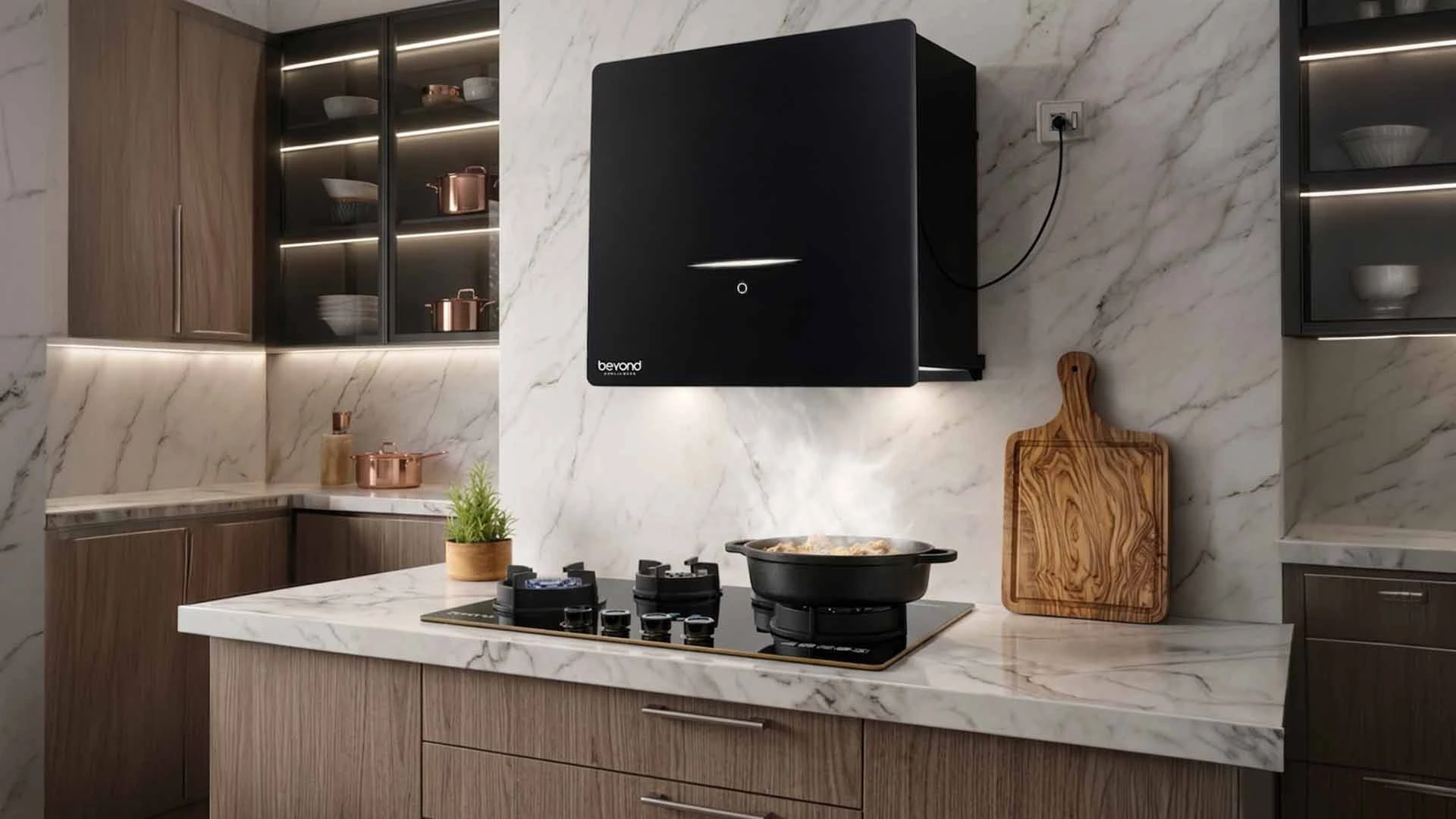
Creating the perfect modern kitchen requires careful consideration of every design element, with finishes playing a crucial role in achieving that sleek, contemporary look. The right combination of cabinet finishes, countertop materials, and backsplash designs can transform an ordinary cooking space into a stunning culinary haven. Modern kitchen finishes go beyond mere aesthetics – they define functionality, durability, and the overall atmosphere of your home's heart. Whether you're renovating a compact kitchen or designing a spacious culinary workspace, understanding how different finishes work together is essential for creating a cohesive and timeless design that reflects your personal style while meeting practical needs.
Modern kitchen design emphasizes clean lines, minimalist aesthetics, and functional beauty that stands the test of time. This design philosophy focuses on eliminating unnecessary ornamentation while maximizing efficiency and visual appeal. The foundation of any successful modern kitchen design lies in selecting finishes that complement each other while serving practical purposes.
Contemporary kitchens typically feature neutral color palettes with strategic pops of color, smooth surfaces that are easy to maintain, and integrated appliances that create seamless visual flow. The key principle is achieving balance between form and function, where every finish choice serves both aesthetic and practical purposes. Understanding color psychology helps create the desired mood – cool tones like whites and grays promote calmness and cleanliness, while warm neutrals add comfort and sophistication.
Cabinet finishes form the backbone of your kitchen's visual identity, making them one of the most important decisions in your design process. The right kitchen cabinet finishes can make your space feel larger, brighter, and more sophisticated. Modern cabinet finishes range from ultra-matte to high-gloss options, each offering distinct advantages and aesthetic appeal.
When selecting cabinet finishes, consider factors like maintenance requirements, lighting conditions, and overall design goals. The finish you choose will significantly impact how your kitchen feels and functions on a daily basis.
Matte finishes have gained tremendous popularity in modern kitchen design due to their sophisticated, understated appearance. These finishes hide fingerprints and water spots better than glossy surfaces, making them practical for busy households. Matte cabinets create a soft, elegant look that works particularly well in minimalist kitchen designs.
Gloss finishes, on the other hand, reflect light beautifully and can make smaller spaces appear larger and brighter. They're easier to clean but show fingerprints and scratches more readily. High-gloss cabinets work exceptionally well in contemporary designs where you want to create visual drama and sophistication.
Laminate cabinets offer excellent value and come in numerous modern finishes that mimic natural materials. High-quality laminates now provide realistic wood grain and stone textures at a fraction of the cost of genuine materials. Wood veneer cabinets bring natural warmth while maintaining clean, modern lines.
Trending cabinet colors include deep charcoal for dramatic contrast, navy blue for sophisticated elegance, crisp white for timeless appeal, and natural wood tones for organic warmth. Two-tone cabinet schemes are increasingly popular, combining light upper cabinets with darker lower ones to create visual interest and depth.
Countertops serve as both functional work surfaces and major design elements that tie your kitchen's aesthetic together. The best kitchen countertop options for modern designs balance durability, maintenance requirements, and visual appeal. Your countertop choice should complement your cabinet finishes while providing the performance characteristics your cooking style demands.
Consider factors like heat resistance, stain resistance, maintenance needs, and budget when evaluating different countertop materials. The right choice will enhance your kitchen's functionality while contributing to its overall design success.
Quartz countertops offer consistent patterns and colors, making them ideal for achieving the clean, uniform look that defines modern design. They're non-porous, requiring no sealing, and resist stains and scratches better than natural stone. Quartz surfaces come in numerous colors and patterns, including options that mimic natural stone.
Granite provides unique natural beauty with each slab offering distinct patterns and color variations. While requiring periodic sealing, granite offers excellent heat resistance and durability. Modern granite selections often feature subtle patterns and neutral colors that complement contemporary design aesthetics.
Concrete countertops offer industrial chic appeal and can be customized with various colors and textures. They develop a unique patina over time and can be formed into any shape, making them perfect for custom designs. Stainless steel surfaces provide professional kitchen aesthetics and excellent hygiene properties.
Eco-friendly options like recycled glass surfaces and bamboo countertops appeal to environmentally conscious homeowners. These materials often feature unique textures and colors that add personality to modern kitchen designs while supporting sustainable practices.
The backsplash serves as your kitchen's jewelry, providing opportunity to add personality and visual interest to your design. Modern kitchen backsplash ideas range from subtle and sophisticated to bold and dramatic, depending on your overall design goals. The key is selecting materials and patterns that complement your cabinet and countertop choices while reflecting your personal style.
Consider the backsplash as an opportunity to introduce texture, color, or pattern into your design scheme. Whether you choose classic subway tiles or contemporary large-format options, ensure your selection enhances rather than competes with other design elements.
Classic subway tiles remain popular in modern kitchens due to their timeless appeal and versatility. They can be installed in various patterns – traditional running bond, herringbone, or vertical stack – to create different visual effects. White subway tiles provide clean, classic appeal, while colored versions add personality.
Large format tiles create seamless, contemporary looks with minimal grout lines. These tiles make spaces appear larger and provide easier maintenance. They work particularly well in compact kitchen design where visual simplicity is important.
Natural stone backsplashes, particularly marble and travertine, add luxury and sophistication to modern kitchens. These materials provide beautiful veining and texture that create focal points without overwhelming the space. Glass tiles offer light-reflecting properties that brighten kitchens while providing easy maintenance.
Metal backsplashes, including stainless steel and copper, provide industrial modern appeal. They're particularly effective behind cooking areas where heat resistance is important. These materials complement stainless steel appliances and create cohesive professional aesthetics.
Small kitchens require strategic finish selection to maximize both visual space and functionality. The best finishes for compact kitchen design create illusions of spaciousness while providing practical benefits. Light-colored, reflective surfaces help bounce light around the space, making it feel larger and brighter than its actual dimensions.
When working with limited space, every finish choice becomes more critical. Coordinated finishes create visual flow that makes spaces feel more expansive, while strategic contrast can define different functional areas within the compact layout.
Light-reflecting finishes are essential in small modern kitchen designs. High-gloss cabinet finishes, polished countertops, and glossy backsplash tiles all help bounce light around the space. Mirrors or metallic accents can further enhance this effect.
Vertical design elements, such as tall cabinet doors and vertical tile patterns, draw the eye upward and create impressions of height. Continuous finishes that flow from countertops up the backsplash create seamless visual lines that make spaces feel larger.
Minimalist design principles work exceptionally well in compact kitchens. Monochromatic color schemes using varying shades of the same color create sophisticated, cohesive looks without visual clutter. Handle-free cabinets with push-to-open mechanisms maintain clean lines essential to minimalist kitchen aesthetics.
Integrated storage solutions with matching finishes help maintain the clean, uncluttered appearance that defines minimalist design. Hidden appliances and seamless finish transitions contribute to the serene, organized atmosphere that makes small spaces feel more comfortable and functional.
Successful modern kitchen design relies heavily on coordinated kitchen color schemes that create harmony between all finish elements. The most effective color schemes use a foundation of neutral tones with carefully selected accent colors that add personality without overwhelming the space. Understanding how different finishes interact with color and light helps create the desired atmosphere and functionality.
Color coordination extends beyond just matching – it involves creating visual flow and balance throughout the space. Consider how natural and artificial lighting affects your chosen colors throughout the day, and select finishes that maintain their appeal under various lighting conditions.
The most successful modern kitchens feature finishes that complement rather than match exactly. For example, pairing warm white cabinets with cool gray countertops creates sophisticated contrast while maintaining overall harmony. Natural wood accents can warm up cool color schemes and add organic texture to sleek modern designs.
Consider the 60-30-10 rule when coordinating finishes: 60% dominant color (usually cabinets), 30% secondary color (countertops and backsplash), and 10% accent color (hardware and accessories). This proportion creates balanced, visually pleasing results that feel intentional and sophisticated.
Modern kitchens benefit from careful balance between warm and cool tones. Cool tones like grays, whites, and blues create clean, contemporary feelings, while warm tones like beiges, creams, and wood tones add comfort and livability. The key is achieving balance that prevents the space from feeling too sterile or too cozy.
Lighting plays a crucial role in how colors appear. Natural light enhances true colors, while artificial lighting can shift color perception. Consider how your chosen finishes will look under different lighting conditions throughout the day and evening.
Quartz countertops, high-quality laminate cabinets, and porcelain tile backsplashes offer excellent durability for modern kitchens. These materials resist stains, scratches, and heat while maintaining their appearance over time. Stainless steel and powder-coated metal finishes also provide long-lasting performance with minimal maintenance requirements.
Luxury modern kitchens typically feature natural stone countertops, high-end cabinet finishes like lacquer or wood veneer, and premium backsplash materials such as natural stone or handcrafted tiles. Focus on quality materials with superior craftsmanship, and consider unique elements like waterfall countertops or integrated lighting to create sophisticated, high-end appeal.
Indian homes benefit from finishes that handle humidity and frequent cooking. Quartz countertops resist stains from spices and oils, while matte cabinet finishes hide fingerprints and water spots. Glazed ceramic or porcelain backsplashes provide easy cleaning and excellent durability. Consider darker colors that hide stains better than light colors in high-use areas.
Modern kitchen finishes typically range from INR 50,000 to INR 3,00,000 depending on materials and kitchen size. Budget-friendly options include laminate cabinets (INR 15,000-30,000 per linear foot) and ceramic tiles. Mid-range choices feature quartz countertops (INR 3,000-6,000 per square foot) and semi-custom cabinets. Premium finishes include natural stone and custom cabinetry.
Light-colored, reflective finishes work best in compact kitchens. White or light gray cabinets with gloss or semi-gloss finishes reflect light and make spaces appear larger. Light-colored quartz countertops and subway tile backsplashes maintain the bright, open feeling essential in small spaces. Avoid dark colors that can make compact kitchens feel cramped.
Current trends include ultra-matte cabinet finishes, large-format porcelain slabs for countertops and backsplashes, and mixed materials like wood and metal combinations. Sustainable materials such as recycled glass surfaces and bamboo elements are gaining popularity. Integrated technology features and hidden storage solutions are also trending in contemporary kitchen design.
Matte finishes require gentle cleaning with microfiber cloths and mild detergents. Gloss finishes need regular cleaning to prevent water spots and fingerprints. Natural stone requires periodic sealing and pH-neutral cleaners. Stainless steel benefits from specialized cleaners that prevent streaking. Always follow manufacturer care instructions for optimal longevity.
Yes, mixing finishes can create visual interest and depth in modern kitchens. Popular combinations include matte upper cabinets with gloss lower cabinets, or wood island cabinets with painted perimeter cabinets. The key is maintaining a cohesive color palette and ensuring the different finishes complement rather than compete with each other.
Selecting the best modern kitchen finishes requires balancing aesthetic preferences with practical considerations like maintenance, durability, and budget. The most successful modern kitchens feature coordinated finishes that create visual harmony while serving functional needs. Remember that quality finishes are an investment that enhances both your daily cooking experience and your home's value.
Start your planning process by establishing a clear vision for your desired aesthetic, then select finishes that support that vision while meeting your practical requirements. Consider consulting with design professionals who can help you navigate the numerous options and create a cohesive, beautiful kitchen that reflects your personal style and enhances your home's overall design.
