
How to Choose Modern Kitchen Materials Like a Pro
Cart
Your cart is empty
Choosing the right materials for your kitchen renovation can feel overwhelming with so many options available today. The kitchen has evolved from a purely functional space to the heart of modern homes, where families gather and memories are made. Contemporary kitchen material trends are shifting toward sustainable, durable options that blend style with practicality. Whether you're planning a complete renovation or updating specific elements, understanding current material trends helps you create a space that's both beautiful and functional. Smart material choices can transform even the smallest kitchen into a stunning, efficient workspace that reflects your personal style while adding value to your home.
The world of modern kitchen materials is experiencing a significant shift toward sustainability and natural textures. Homeowners are moving away from stark, cold surfaces toward warmer, more inviting materials that create a sense of comfort and connection to nature. Sustainable materials are leading this transformation. Bamboo cabinetry, recycled countertops, and reclaimed wood elements are becoming standard choices for environmentally conscious homeowners. These materials offer the dual benefit of reducing environmental impact while providing unique character and warmth to kitchen spaces. Natural textures and earth-driven tones are replacing the cool grays that dominated previous years. Warm beiges, soft sage greens, and rich terracotta shades are creating more welcoming kitchen environments. These colors work beautifully with natural materials like stone and wood, creating cohesive design schemes. Engineered stone and terrazzo are gaining significant popularity for their durability and design versatility. These materials offer the beauty of natural stone with enhanced performance characteristics, making them ideal for busy family kitchens. Terrazzo, in particular, is experiencing a modern renaissance with contemporary color palettes and refined finishes. Matte finishes are replacing glossy surfaces across all material categories. From cabinet hardware to countertops, matte textures provide a sophisticated, contemporary look while being more forgiving of fingerprints and water spots. Handle-less cabinet designs complement this trend, creating clean, uninterrupted lines that emphasize the beauty of the materials themselves.
Understanding kitchen renovation materials by category helps you make informed decisions that balance aesthetics, functionality, and budget. Each material category serves specific purposes and contributes to the overall design harmony of your kitchen. Proper material selection requires considering how different elements work together. The countertop material should complement cabinet finishes, while backsplash choices should enhance both without overwhelming the space. This coordinated approach ensures a cohesive, professional-looking result.
Kitchen countertop materials have evolved dramatically, offering homeowners unprecedented options for durability and style. Engineered stone leads the market with its consistent patterns, non-porous surface, and exceptional durability. Unlike natural stone, engineered options resist staining and require minimal maintenance. Terrazzo is making a strong comeback with modern applications that go far beyond traditional speckled patterns. Contemporary terrazzo incorporates larger aggregate pieces, metallic accents, and sophisticated color combinations that create stunning focal points in modern kitchens.
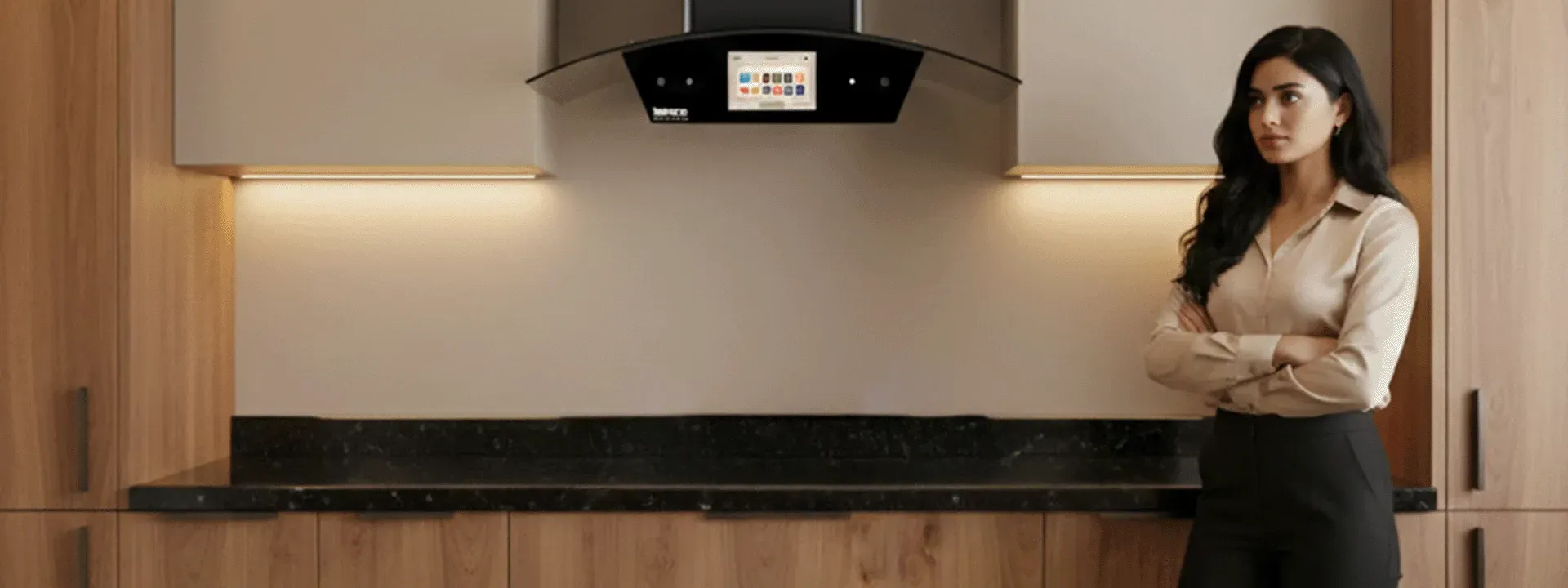
Cabinet material trends are embracing sustainability without sacrificing style. Bamboo cabinetry offers rapid renewability and natural beauty, while engineered wood products provide stability and consistent grain patterns. Two-tone cabinet combinations allow homeowners to incorporate multiple materials and colors for visual interest. Natural wood grains are returning to prominence, particularly in warm tones like walnut and oak. These materials bring organic texture and timeless appeal to contemporary kitchens. Lacquered finishes provide durability while maintaining the natural beauty of wood grain.
Kitchen backsplash trends are moving toward textured natural materials that add depth and visual interest. Brushed metal accents in brass and copper tones provide warm contrast to cool stone surfaces. Large format tiles create seamless, sophisticated looks with minimal grout lines. Natural stone backsplashes, particularly in honed finishes, complement the trend toward organic textures. These materials work beautifully with both traditional and contemporary cabinet styles, providing versatile design options.
Compact kitchen design requires strategic material choices that maximize both function and visual space. Light-reflecting surfaces help small kitchens feel larger and brighter, while clever material applications can create the illusion of expanded space. Space-maximizing material choices include glossy cabinet finishes that reflect light, light-colored countertops that don't visually weigh down the space, and glass backsplashes that create depth. These materials work together to create an airy, open feeling even in the smallest kitchens. Multi-functional material applications are essential in small kitchen design. Countertop materials that extend up walls as backsplashes create seamless, uninterrupted surfaces that make spaces feel larger. Integrated storage solutions using the same materials as cabinetry maintain visual continuity. Modular system compatibility ensures that materials can adapt as needs change. Removable or adjustable elements allow for future modifications without complete renovation, making compact kitchens more flexible and cost-effective over time.
Sustainable kitchen materials are no longer just an environmental choice – they're becoming the preferred option for style-conscious homeowners. These materials offer unique character, often superior performance, and the satisfaction of making environmentally responsible choices. Bamboo and reclaimed wood options provide natural beauty while supporting sustainable forestry practices. Bamboo grows rapidly and regenerates quickly, making it an excellent renewable resource. Reclaimed wood offers unique character with a history that new materials cannot match. Recycled countertop materials, including options made from recycled glass and paper, offer stunning visual appeal while diverting waste from landfills. These materials often feature unique patterns and colors that cannot be replicated with traditional materials. Low-VOC finishes and adhesives improve indoor air quality while maintaining durability and appearance. These products are particularly important in kitchens where food preparation occurs, ensuring a healthy environment for families. Certification standards like FSC (Forest Stewardship Council) and GREENGUARD help homeowners identify truly sustainable options. These certifications provide third-party verification of environmental and health claims, giving consumers confidence in their material choices.
Kitchen design trends are embracing warmer, more natural color palettes that create inviting, comfortable spaces. Sage green and olive green have emerged as sophisticated alternatives to stark whites and cool grays, providing calming, nature-inspired environments. Warm earth-driven tones including terracotta, warm beiges, and soft browns create cozy, welcoming kitchens that feel connected to nature. These colors work beautifully with natural materials like wood and stone, creating harmonious design schemes. Neutral bases with textured layers allow homeowners to incorporate trends through accessories and smaller elements while maintaining timeless appeal in major material choices. This approach provides flexibility for future updates without major renovation. Material and color harmony principles guide successful kitchen design. Warm materials pair best with warm colors, while cool materials complement cooler palettes. Understanding these relationships helps create cohesive, professional-looking results. Lighting considerations significantly impact how materials and colors appear in finished kitchens. Natural light enhances warm tones, while artificial lighting can shift color perception. Testing materials under different lighting conditions ensures satisfaction with final results.
Developing a systematic approach to kitchen renovation materials selection ensures better results and fewer regrets. Professional designers use structured frameworks that consider multiple factors simultaneously, balancing aesthetics, function, and budget constraints. Successful material selection begins with understanding your lifestyle and cooking habits. Busy families need different materials than occasional cooks, and entertaining styles influence material priorities. This foundation guides all subsequent decisions.
Cost-per-square-foot analysis helps prioritize spending across different material categories. Countertops typically represent the largest material investment, followed by cabinetry and flooring. Understanding these proportions helps allocate budget effectively. ROI considerations vary by material type and quality level. Premium materials in key areas like countertops and cabinetry typically provide better returns than expensive flooring or hardware. Focus investment where it creates the most impact.
High-traffic area material requirements differ significantly from decorative applications. Countertops near sinks and stoves need superior stain and heat resistance, while cabinet materials in less-used areas can prioritize aesthetics over extreme durability. Cleaning and care protocols vary dramatically between materials. Some require daily maintenance, while others need only occasional attention. Understanding these requirements helps match materials to lifestyle preferences.
Professional versus DIY installation capabilities affect both cost and timeline. Some materials require specialized tools and expertise, while others can be installed by skilled homeowners. Factor installation complexity into material selection decisions. Lead times for specialty materials can extend project timelines significantly. Popular materials may have shorter lead times, while custom or imported options require advance planning. Coordinate material ordering with overall project schedules.
Balancing trends with timeless appeal prevents costly mistakes and ensures long-term satisfaction. While trendy materials can add contemporary flair, classic options provide lasting value and broader appeal for future buyers. Scale and proportion considerations are crucial in material selection. Large patterns and bold materials can overwhelm small spaces, while subtle materials may get lost in large kitchens. Match material scale to space size for optimal visual impact. Lighting impact on material appearance cannot be overstated. Materials that look stunning in showrooms may appear different under home lighting conditions. Always view samples in your actual kitchen lighting before making final decisions. Functionality should take priority over aesthetics in high-use areas. Beautiful materials that cannot withstand daily use create frustration and additional costs. Choose materials that match your lifestyle and usage patterns. Future-proofing material choices involves selecting options that can adapt to changing needs and preferences. Neutral bases with changeable accent elements provide flexibility for future updates without major renovation.
Engineered stone countertops, solid wood cabinetry with quality finishes, and porcelain tile flooring offer exceptional durability for modern kitchens. These materials resist daily wear while maintaining their appearance over time.
Select light-colored, reflective materials that maximize visual space. Use consistent materials throughout to create continuity, and choose multi-functional options that serve multiple purposes without cluttering the design.
Bamboo cabinetry, recycled glass countertops, and reclaimed wood elements provide excellent value by combining environmental benefits with durability and unique aesthetic appeal.
Engineered stone offers consistent patterns, non-porous surfaces, and superior stain resistance, while natural stone provides unique character and patterns but requires more maintenance and sealing.
Use a consistent color palette and repeat materials throughout the space. Choose one dominant material and use others as accents to create visual harmony without overwhelming the design.
Bamboo, two-tone combinations, natural wood grains in warm tones, and handle-less designs with matte finishes are leading cabinet material trends for contemporary kitchens.
Large format tiles, natural stone in honed finishes, brushed metal accents, and textured materials that add depth while maintaining clean, sophisticated lines.
Allocate 30-40% of your budget to countertops and cabinetry, 15-20% to flooring, and 10-15% to backsplash materials. Reserve funds for unexpected costs and professional installation where needed.
Selecting modern kitchen materials requires balancing current trends with timeless appeal, functionality with aesthetics, and budget constraints with quality expectations. Contemporary kitchen material trends favor sustainable options, natural textures, and warm color palettes that create inviting, comfortable spaces. Successful material selection follows a systematic approach that considers lifestyle needs, maintenance requirements, and long-term value. Whether designing a compact kitchen or spacious culinary workspace, the right materials create beautiful, functional spaces that enhance daily life and add value to your home. Remember that the best kitchen materials are those that suit your specific needs, preferences, and budget while creating a cohesive, attractive design that you'll enjoy for years to come.
