

How to Choose a Cooktop: Expert Buying Guide
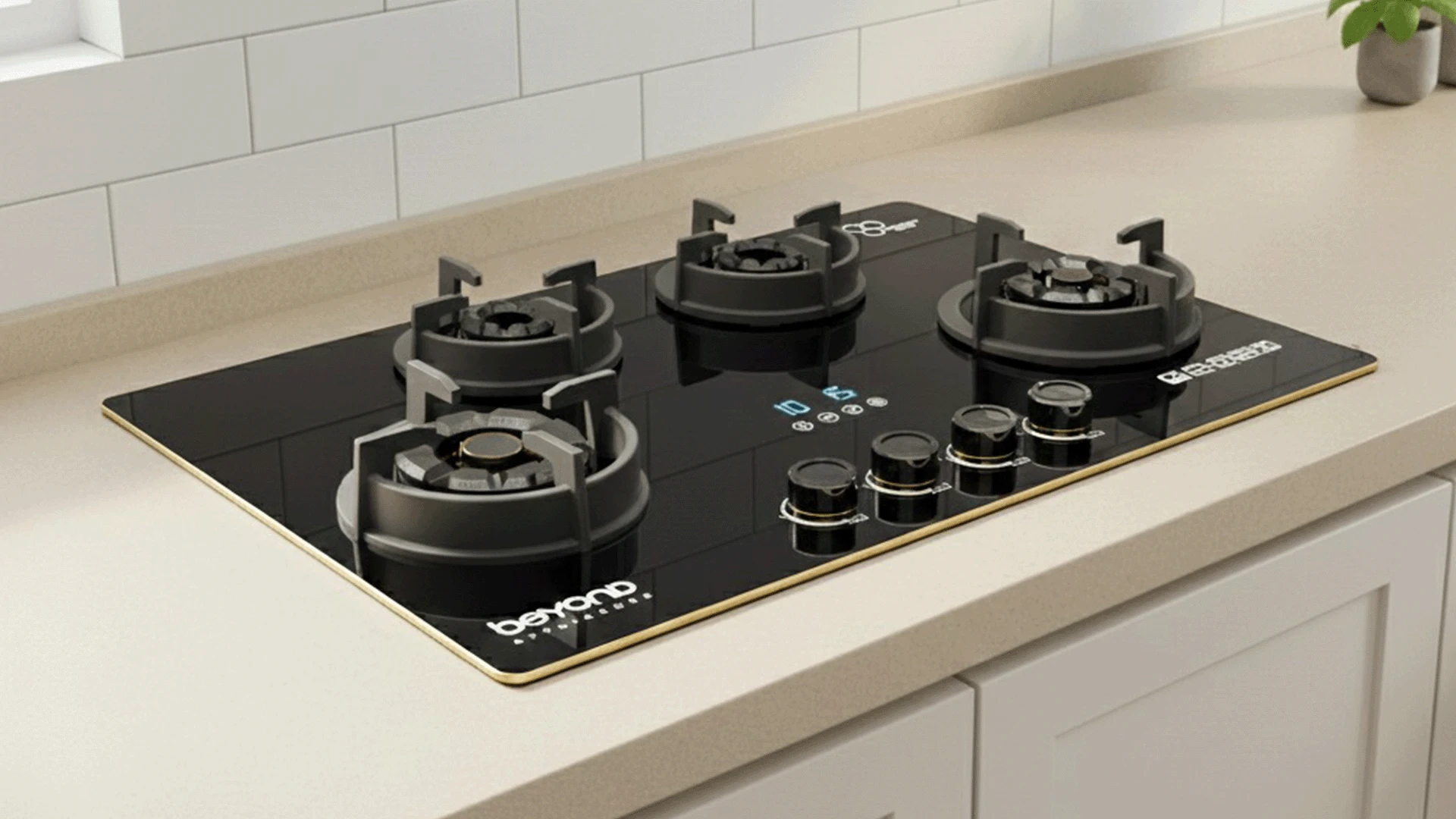
Choosing the right cooktop is one of the most important decisions you'll make for your kitchen. This essential appliance becomes the heart of your cooking space, affecting everything from your daily meal preparation to your kitchen's overall functionality and style. With modern technology offering various options like gas, electric, induction, and ceramic cooktops, understanding each type's benefits helps you make an informed decision. This comprehensive guide walks you through everything you need to know about how to choose a cooktop that perfectly matches your cooking style, kitchen layout, and budget requirements.
When learning how to choose a cooktop, understanding the fundamental differences between cooktop types forms the foundation of your decision. Each type offers unique advantages and considerations that affect your cooking experience, installation requirements, and long-term satisfaction.
Gas cooktops provide instant flame control with visual cooking cues that many professional chefs prefer. The open flame allows for precise temperature adjustments and works perfectly for techniques like wok cooking, charring vegetables, or flambéing dishes. Gas cooktops continue working during power outages, making them reliable for consistent cooking needs. The main advantages include immediate heat response, precise temperature control, and lower operating costs in areas with affordable natural gas. However, gas cooktops require proper ventilation, professional installation for gas line connections, and regular cleaning of burner components.
Electric cooktops come in two main varieties: traditional coil burners and smooth-top ceramic surfaces. These cooktops offer even heat distribution and generally cost less upfront than other options. Electric cooktops work well for steady cooking tasks like simmering sauces or maintaining consistent temperatures. Electric models provide easy installation in most homes, lower initial costs, and simple operation. The drawbacks include slower heat response times, continued heat retention after turning off, and higher energy consumption compared to induction models.
Induction cooktops use electromagnetic technology to heat cookware directly, making them the most energy-efficient option available. These cooktops heat faster than gas or electric alternatives while providing precise temperature control. The cooking surface stays relatively cool, reducing burn risks and making cleanup easier. Induction cooktops offer superior energy efficiency, fastest heating times, precise control, and enhanced safety features. The main considerations include higher upfront costs and the requirement for magnetic cookware compatibility.
Ceramic cooktops feature radiant heating elements beneath a smooth glass surface, combining modern aesthetics with functional performance. These cooktops offer easy cleaning and sleek appearance that complements contemporary kitchen designs. The smooth surface provides ample workspace when not in use.
Selecting the right cooktop features ensures your appliance meets your specific cooking needs and kitchen requirements. Understanding these features helps you compare different models effectively and choose options that enhance your cooking experience.
Cooktop sizes typically range from 24-inch compact cooktops perfect for small kitchens to 36-inch models for larger cooking spaces. Standard 30-inch cooktops fit most kitchen layouts and provide adequate cooking space for average households. Consider your available counter space and cooking habits when selecting dimensions. Burner configurations vary from basic 4-burner layouts to 5-burner designs with center burners for large pots. Compact cooktops work excellently in apartments, small homes, or as secondary cooking surfaces. Plan your space carefully to ensure proper clearances around the cooktop.
Gas cooktops measure power in BTUs (British Thermal Units), with higher ratings providing more cooking power. Electric and induction cooktops use wattage ratings to indicate heating capacity. Look for models with varied burner sizes to accommodate different cookware and cooking techniques. Boost or power burner features provide extra heat for tasks like boiling large pots of water or searing meats. These high-output burners significantly reduce cooking times for demanding tasks.
Modern cooktops offer various control options including traditional knobs, touch controls, and digital displays. Touch controls provide sleek aesthetics and easy cleaning, while knobs offer tactile feedback and operation during power outages. Safety features like child locks, automatic shut-off, and residual heat indicators protect your family and prevent accidents. These features become especially important in households with children or elderly family members.
The materials used in cooktop construction directly impact durability, appearance, and maintenance requirements. Understanding different cooktop materials helps you choose options that match your kitchen's style while providing long-lasting performance.
Stainless steel surfaces offer professional appearance and excellent durability but require regular cleaning to maintain their shine. Glass-ceramic surfaces provide easy cleaning and modern aesthetics but need careful handling to prevent scratches or cracks. Cast iron grates on gas cooktops provide excellent heat retention and durability, while continuous grates allow easy movement of cookware across burners. Consider your cleaning preferences and cooking style when evaluating surface materials.
High-quality cooktops feature solid construction with reinforced edges and durable components. Look for models with replaceable parts like burner elements or grates to extend the appliance's lifespan. Warranty coverage indicates manufacturer confidence in build quality and provides protection for your investment. Regular maintenance requirements vary by material type, with some surfaces needing special cleaners or careful handling to maintain appearance and functionality.
Proper cooktop installation ensures safe operation and optimal performance. Understanding installation requirements helps you plan your purchase and budget for any necessary modifications to your kitchen.
Cooktop installation requires precise cutout dimensions that match your chosen model. Electric and induction cooktops need 220-volt electrical connections, while gas models require proper gas line connections and safety shut-off valves. Ventilation requirements vary by cooktop type, with gas models needing adequate air circulation and range hood compatibility. Plan for proper clearances around the cooktop to meet safety codes and ensure efficient operation.
Gas cooktop installation typically requires professional service to ensure safe gas line connections and code compliance. Electric cooktop installation may be possible for experienced DIYers, but electrical work often requires permits and professional installation. Installation costs vary by complexity and local labor rates, typically ranging from INR 3,000 to INR 15,000 depending on requirements. Factor these costs into your overall budget when comparing cooktop options.
Your cooking habits and preferences should guide your cooktop selection more than any other factor. Matching cooktop features to your specific needs ensures satisfaction with your purchase and enhances your cooking experience.
Frequent cooks benefit from powerful burners and durable construction, while occasional cooks may prioritize easy cleaning and simple operation. Large families need multiple burners and high-capacity options, while singles or couples might prefer compact cooktops with basic features. Specialty cooking requirements like wok cooking favor gas cooktops, while precision tasks benefit from induction technology. Consider your most common cooking techniques when evaluating different cooktop types.
Your cooktop should integrate seamlessly with your kitchen's workflow and design. Consider traffic patterns around the cooking area and ensure adequate workspace on both sides of the cooktop. Compact cooktops work well in galley kitchens or as secondary cooking surfaces, while larger models suit open kitchen designs with ample counter space. Plan for proper integration with existing appliances and cabinetry.
Cooktop prices vary significantly based on type, features, and brand quality. Understanding the relationship between price and features helps you find the best value for your specific needs and budget.
Entry-level cooktops range from INR 15,000 to INR 40,000 and provide basic functionality with standard features. Mid-range models cost INR 40,000 to INR 75,000 and offer enhanced features like multiple burner sizes and improved controls. Premium cooktops exceed INR 75,000 and include professional-grade features, superior materials, and advanced technology. Consider long-term operating costs when comparing initial purchase prices.
Induction cooktops provide the highest energy efficiency, converting about 90% of energy into heat compared to 40-55% for gas and electric models. This efficiency translates to lower utility bills over time, potentially offsetting higher initial costs. Calculate estimated operating costs based on your local utility rates and cooking frequency. Energy-efficient models may qualify for rebates or incentives in some areas.
Consider your kitchen layout, preferred fuel type, cooking habits, and budget. Measure your available space carefully and think about how many burners you typically use. Also factor in installation requirements and long-term operating costs.
Induction cooktops heat faster, use less energy, and offer precise temperature control. Ceramic cooktops cost less initially but heat more slowly and use more energy. Induction requires compatible cookware while ceramic works with any cookware type.
Choose gas for instant heat control, visual flame feedback, and lower operating costs. Select electric for easier installation, lower upfront costs, and consistent heat distribution. Consider your home's existing utilities and local energy costs.
Measure your available counter space and subtract 2-3 inches on each side for clearance. Standard 30-inch cooktops suit most kitchens, while 24-inch compact models work for small spaces and 36-inch models accommodate large families.
Yes, induction cooktops require magnetic cookware made from cast iron, carbon steel, or magnetic stainless steel. Test existing cookware with a magnet - if it sticks strongly, it will work with induction.
Choosing the right cooktop involves balancing your cooking needs, kitchen layout, and budget considerations. Gas cooktops offer traditional control and reliability, electric models provide affordability and easy installation, while induction cooktops deliver superior efficiency and precision. Consider your cooking style, available space, and long-term operating costs when making your decision. Proper installation and quality construction ensure years of reliable cooking performance, making your cooktop investment worthwhile for your kitchen and cooking enjoyment.
