

How to Achieve a Minimalist Kitchen: Decluttering Tips
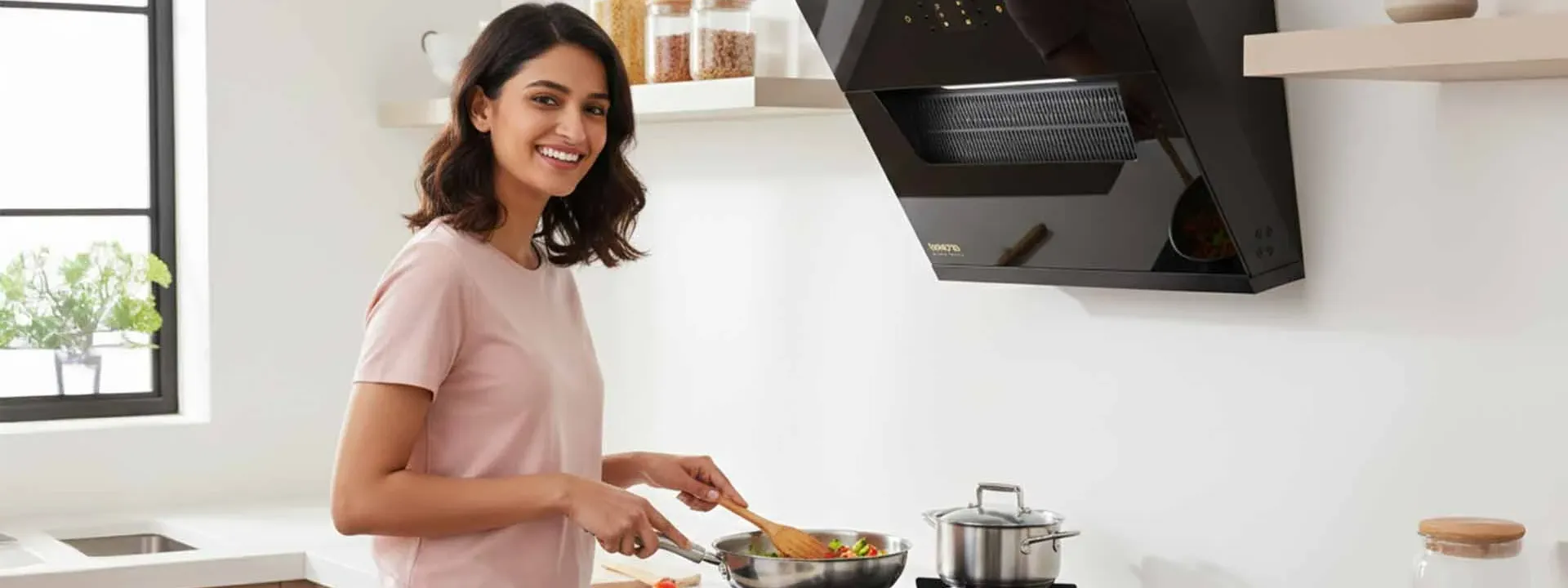
The modern kitchen has become the heart of the home, yet many homeowners find themselves overwhelmed by clutter and chaos. Achieving minimalist kitchen design goes far beyond simply removing items from countertops. It's about creating a functional, peaceful space that enhances your cooking experience while reducing daily stress. Studies show that cluttered kitchens can increase cortisol levels by up to 25%, directly impacting both cooking efficiency and overall well-being. This comprehensive guide will walk you through proven strategies to transform your kitchen into a serene, organized space that prioritizes both form and function.
Minimalist kitchen design centers on the philosophy that every item in your kitchen should serve a clear purpose. This approach eliminates visual noise and creates a calming environment where cooking becomes enjoyable rather than stressful. The foundation of this design philosophy rests on intentional choices about what stays and what goes.
The "less is more" approach to kitchen functionality means carefully evaluating each appliance, tool, and decorative element. Focus on essential kitchen items that you use regularly rather than accumulating convenience gadgets that sit unused. Quality trumps quantity when selecting appliances and tools. A single high-quality knife often serves better than a drawer full of mediocre cutting tools.
Clean lines and simple kitchen organization principles create visual calm in your space. Light color palettes featuring whites, greys, and muted tones reflect natural light and make spaces feel larger. Hidden kitchen storage solutions keep surfaces clear while maintaining easy access to daily essentials. The goal is creating a space where every surface serves a purpose without appearing cluttered.
Small kitchen minimalism requires strategic thinking about space utilization and item selection. The decluttering process forms the foundation of any successful minimalist transformation. Without proper decluttering, even the best design elements cannot create the serene atmosphere you desire.
Begin with a comprehensive room-by-room assessment of your current kitchen contents. Apply the 30/30 rule: if an item costs less than INR 30 and takes less than 30 minutes to replace, consider whether you truly need it. Create three distinct categories: keep, donate, and discard. Be honest about usage patterns rather than holding onto items "just in case."
Start with countertop clearing strategies that allow only daily essentials to remain visible. Coffee makers, knife blocks, and frequently used spices can stay, but decorative items and rarely used appliances should find homes in cabinets. Optimize cabinet and drawer space through systematic organization techniques. Implement seasonal item rotation systems to keep specialty tools accessible when needed while maintaining daily simplicity.
Compact kitchen ideas focus on intelligent space utilization without sacrificing functionality. The key lies in choosing multi-purpose solutions and optimizing vertical space. Every square inch should contribute to your kitchen's efficiency while maintaining the clean aesthetic that defines minimalist design.
Vertical storage optimization transforms unused wall space into valuable storage areas. Install floating shelves for frequently used items and magnetic strips for knives and metal tools. Multi-functional furniture pieces, such as islands with built-in storage, maximize utility without adding visual clutter. Hidden storage integration behind clean facades maintains the minimalist aesthetic while providing necessary organization space.
Functional kitchen design relies on optimal placement of your sink, stove, and refrigerator to create efficient workflow patterns. In compact spaces, this triangle becomes even more critical for preventing wasted movement and maintaining organization. Consider traffic patterns to ensure the space flows naturally for both cooking and cleaning activities. Proper planning prevents bottlenecks and creates a more enjoyable cooking experience.
A white minimalist kitchen serves as the gold standard for clean, serene cooking spaces. The color choice isn't merely aesthetic; white surfaces reflect light, making spaces appear larger and more open. However, successful minimalist design extends beyond color to include material selection and fixture choices that support the overall philosophy.
White and light colors dominate minimalist spaces because they create visual continuity and reflect natural light effectively. Incorporate darker accents strategically for visual anchoring without overwhelming the space. Natural materials like wood and stone enhance simplicity while adding warmth and texture. These materials age gracefully and maintain their appeal over time.
Choose between integrated and standalone appliances based on your space and budget constraints. Sleek, handle-free cabinet options create seamless surfaces that support the minimalist aesthetic. Modern chimney designs, such as curved or slant models, can serve as focal points while maintaining clean lines. Proper lighting solutions create bright, airy spaces that feel welcoming and functional throughout the day.
Transforming your kitchen into a minimalist haven requires systematic planning and execution. Breaking the process into manageable phases prevents overwhelm while ensuring thorough attention to each area. This methodical approach creates lasting change rather than temporary improvements.
Phase 1 focuses on countertops and daily-use areas during the first week. Clear all surfaces and return only essential items that you use multiple times per week. Phase 2 tackles cabinets and storage optimization during weeks two and three. Phase 3 involves appliance evaluation and organization during the final week, determining which appliances earn permanent counter space.
Establish daily 10-minute reset routines that maintain your newly organized space. These brief sessions prevent clutter accumulation and maintain the peaceful atmosphere you've created. Monthly reassessment practices help identify items that have crept back into your space unnecessarily. Develop strategies for preventing clutter accumulation by establishing clear criteria for new purchases.
Once you've mastered basic minimalist principles, advanced strategies can further enhance your kitchen's functionality and aesthetic appeal. These techniques focus on subtle improvements that create significant impact over time. The goal is creating a space that feels effortless to maintain while supporting your cooking and lifestyle needs.
Implement seasonal rotation systems for specialty appliances and tools that you don't use year-round. Store holiday baking equipment, outdoor entertaining supplies, and seasonal gadgets in less accessible areas during off-seasons. This approach keeps your primary storage areas focused on daily essentials while ensuring specialty items remain available when needed.
Modern technology can support minimalist goals through smart storage solutions and efficient appliances. Choose appliances with multiple functions to reduce the total number of items in your kitchen. Smart home integration can streamline cooking processes while maintaining clean surfaces. However, avoid technology for its own sake; each addition should clearly support your minimalist objectives.
Start with decluttering, which costs nothing but time and effort. Focus on organization solutions using items you already own, such as repurposing containers for storage. Paint existing cabinets white or light colors to create a fresh, minimalist look. Invest in quality basics gradually rather than attempting a complete overhaul immediately.
Essential items include one high-quality chef's knife, a cutting board, basic cookware set, measuring tools, and a few versatile serving pieces. Choose appliances that serve multiple functions, such as a food processor that also chops and mixes. Avoid single-purpose gadgets unless you use them multiple times per week.
Focus on systems rather than restrictions when managing family needs. Create designated spaces for each family member's items while maintaining overall organization. Choose durable, easy-to-clean materials that withstand heavy use. Involve family members in daily maintenance routines to prevent clutter accumulation.
Vertical storage maximizes space efficiency in small kitchens. Use drawer dividers, shelf risers, and door-mounted organizers to create designated spaces for everything. Choose clear containers for dry goods to maintain visual simplicity while keeping contents visible. Magnetic strips and hooks utilize wall space effectively.
Use color strategically through natural materials, fresh plants, or a single accent wall. Choose a limited color palette and stick to it consistently throughout the space. Natural wood tones, stone surfaces, and living plants add warmth without creating visual chaos. Avoid busy patterns or multiple competing colors.
Achieving minimalist kitchen design requires commitment to intentional choices about every item in your space. The transformation process takes time, but the benefits of reduced stress, improved functionality, and enhanced cooking enjoyment make the effort worthwhile. Remember that minimalism is personal; your minimalist kitchen should reflect your cooking style and family needs while maintaining the core principles of simplicity and functionality. Start with small changes, build sustainable habits, and enjoy the peaceful, efficient kitchen space you create. The journey toward minimalism is ongoing, but each step brings you closer to a kitchen that truly serves your lifestyle and brings joy to your daily cooking experiences.
