

How Kitchen Ventilation Protects Your Home's Air Quality
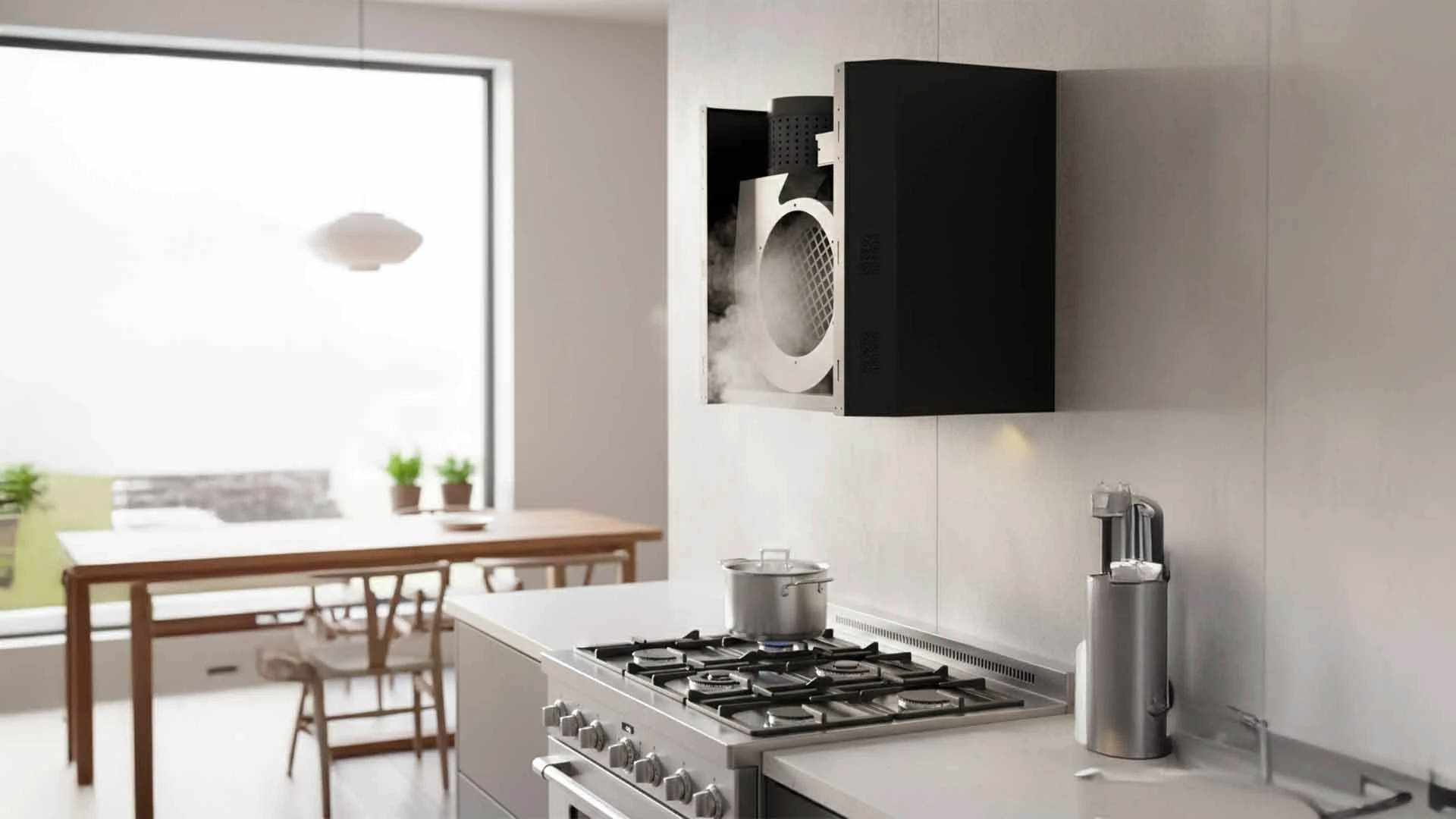
Your kitchen is the heart of your home, but it can also be the source of poor air quality that affects your entire living space. Every time you cook, you release a complex mixture of particles, gases, and moisture into the air. Without proper kitchen ventilation, these contaminants accumulate and spread throughout your home. Understanding the kitchen ventilation importance helps you protect your family's health while maintaining a comfortable living environment. Modern cooking produces more pollutants than many homeowners realize, making effective ventilation systems essential for every kitchen.
Poor kitchen air quality poses serious risks to your family's health and your home's condition. When you cook without adequate ventilation, harmful substances build up in your indoor environment. These pollutants don't just disappear – they circulate throughout your home and can cause lasting damage to both your health and property.
Cooking releases cancer-causing compounds called polycyclic aromatic hydrocarbons (PAHs) and volatile organic compounds (VOCs). These substances form when oils and fats heat to high temperatures. Grease particles become airborne and settle on surfaces throughout your kitchen and adjacent rooms. Without proper ventilation, moisture from cooking creates ideal conditions for mold and mildew growth in hidden areas like behind cabinets and inside walls.
Every cooking method generates different types of air pollution. Frying produces the most grease particles and smoke, while boiling creates excess humidity that can damage your home's structure. Gas stoves release nitrogen dioxide and carbon monoxide directly into your kitchen air. Even simple tasks like toasting bread or brewing coffee contribute to indoor air pollution when ventilation is inadequate.
A well-designed ventilation system provides multiple layers of protection for your home and family. Beyond removing cooking odors, proper ventilation creates a healthier living environment and protects your investment in your home. The range hood benefits extend far beyond what most homeowners initially consider.
Effective cooking ventilation removes harmful fumes before they can affect your respiratory system. This protection is especially important for family members with asthma or allergies. Quality ventilation systems filter out fine particles that can penetrate deep into your lungs. Regular use of proper ventilation reduces your family's exposure to cooking-related air pollutants by up to 90 percent.
Proper ventilation prevents grease buildup on your kitchen surfaces, cabinets, and appliances. This protection extends the life of your kitchen finishes and reduces cleaning time. Moisture control through ventilation prevents structural damage from humidity and condensation. Your appliances last longer when they're not constantly exposed to grease-laden air.
Good kitchen ventilation reduces the workload on your home's heating and cooling system. By removing excess heat and humidity at the source, your HVAC system doesn't have to work as hard. This efficiency translates to lower energy bills throughout the year. Proper ventilation also prevents the need for expensive remediation work caused by moisture damage.
Today's modern kitchen ventilation options blend seamlessly with contemporary kitchen designs while providing superior performance. Advanced technologies make it possible to achieve excellent air quality control even in challenging spaces. The latest kitchen ventilation design trends focus on both functionality and aesthetic appeal.
Compact kitchen ventilation solutions work perfectly in apartments and smaller homes. Under-cabinet range hoods provide powerful ventilation without taking up valuable space. Slant or inclined chimneys offer excellent performance while maintaining a sleek profile. Ductless chimneys with advanced filtration systems work well when external ducting isn't possible.
Smart ventilation controls automatically adjust fan speeds based on cooking activity and air quality sensors. Variable speed systems provide precise control over airflow rates for different cooking methods. Modern systems operate quietly, allowing normal conversation even during heavy cooking. LED lighting integration provides excellent task lighting while you cook.
Different cooking ventilation systems work better for specific kitchen layouts and cooking styles. Understanding your options helps you choose the most effective solution for your needs. Each type of ventilation system offers unique advantages depending on your kitchen's design and your cooking habits.
Wall-mounted range hoods work well for kitchens with cooktops against exterior walls. Island installations require more powerful systems due to cross-currents from multiple directions. T-shaped chimneys provide excellent coverage for larger cooking surfaces. Curved chimneys offer a softer aesthetic while maintaining strong performance. Recirculating systems filter and return air to the kitchen, while ducted systems exhaust air outside.
Exhaust fans placed strategically can supplement your primary ventilation system. Natural ventilation through windows provides fresh air circulation but shouldn't be your only ventilation method. Combination approaches using both mechanical and natural ventilation create the most effective air quality control. Proper placement of exhaust fans prevents backdrafts and ensures efficient air removal.
Selecting appropriate kitchen ventilation design requires careful consideration of your cooking habits and kitchen layout. The ventilation importance becomes clear when you match system capacity to your actual needs. Proper sizing ensures effective performance without wasting energy or creating excessive noise.
CFM (cubic feet per minute) calculations depend on your kitchen size and cooking style. Professional-style cooking requires higher capacity systems than casual home cooking. Gas cooktops need more ventilation than electric models due to combustion byproducts. Island installations typically require 150 CFM per linear foot of cooking surface.
Professional installation ensures proper ducting and electrical connections for optimal performance. Regular cleaning of filters and exhaust paths maintains system efficiency. Monthly filter cleaning or replacement keeps your system working at peak performance. Annual professional maintenance extends system life and ensures continued effectiveness.
Recognizing when your kitchen air quality system needs improvement helps you take action before problems worsen. Many homeowners don't realize their ventilation is inadequate until they notice obvious signs. Understanding these warning signals helps you maintain a healthy kitchen environment.
Persistent cooking odors that linger hours after cooking indicate insufficient air removal. Visible grease buildup on surfaces near your cooking area shows that airborne particles aren't being captured. Excessive moisture and condensation on windows and walls during cooking reveals humidity control problems. Smoke that doesn't clear quickly from your cooking area signals inadequate airflow.
Increased respiratory irritation during or after cooking suggests poor air quality. Family members experiencing more frequent headaches in the kitchen may be reacting to accumulated pollutants. Difficulty maintaining comfortable temperatures while cooking indicates heat removal problems. Increased cleaning frequency due to grease and particle buildup shows ventilation deficiencies.
Consulting ventilation experts helps you identify the best solutions for your specific situation. Professional assessment considers factors like kitchen layout, cooking habits, and local building codes. The return on investment for proper kitchen ventilation includes health benefits, energy savings, and home value protection.
Complex kitchen layouts with islands or peninsulas benefit from professional design input. Homes with existing ventilation problems need expert diagnosis to identify root causes. Kitchen renovations provide the perfect opportunity to upgrade your ventilation system. Professional installation ensures compliance with local codes and optimal performance.
Modern ventilation systems with smart controls adapt to changing cooking habits over time. Energy-efficient models reduce operating costs while providing superior performance. Quality systems with extended warranties protect your investment for years to come. Proper maintenance programs ensure continued effectiveness and extend system life.
Ventilation controls temperature and maintains healthy air quality by removing cooking pollutants, excess heat, and humidity. It prevents energy loss by managing indoor climate efficiently and eliminates odors while preventing contamination of other living spaces.
Most building codes require mechanical ventilation in kitchens, especially for gas appliances. Health and safety standards mandate minimum airflow rates to protect occupants from cooking-related pollutants and ensure adequate fresh air circulation.
Proper ventilation provides indoor air quality control by removing harmful pollutants, regulates temperature and humidity for comfort and structural protection, and dilutes and displaces contaminants before they can accumulate to harmful levels.
Kitchen ventilation systems in India range from INR 8,000 for basic models to INR 50,000 or more for premium systems. Installation costs typically add INR 2,000 to INR 8,000 depending on complexity. Operating costs remain minimal with energy-efficient models.
System size depends on your kitchen's square footage, ceiling height, and cooking style. A general rule is 100 CFM per linear foot of cooking surface for wall-mounted units and 150 CFM per linear foot for island installations. Professional assessment ensures proper sizing.
Effective kitchen ventilation protects your family's health while preserving your home's condition and value. The kitchen ventilation importance extends beyond simple odor control to encompass comprehensive air quality management. Modern systems offer powerful performance in compact designs that complement contemporary kitchen aesthetics. Investing in proper ventilation creates a healthier, more comfortable cooking environment while protecting your long-term investment in your home. Whether you choose android chimneys, T-shaped designs, or ductless systems, the key is selecting appropriate capacity and ensuring professional installation for optimal performance.
