

How Kitchen Chimney Types Work: A Comprehensive Guide
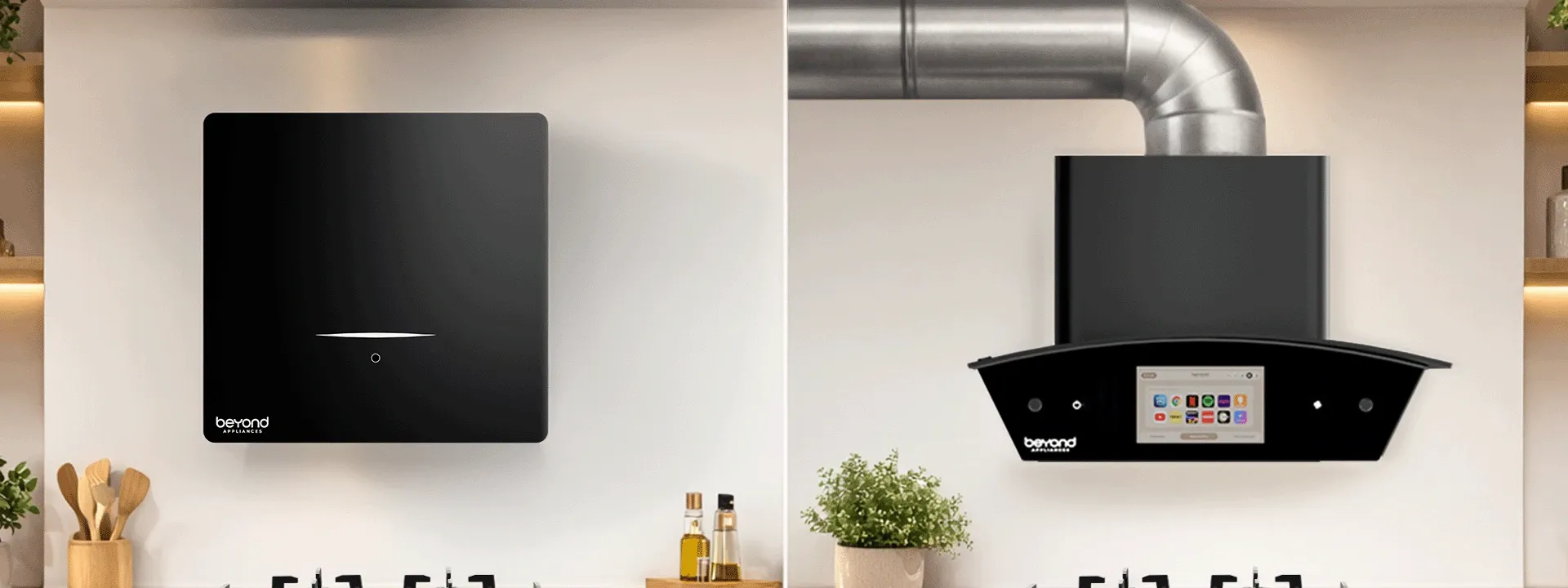
Kitchen ventilation has become essential in modern Indian homes, especially with the rise of open kitchen designs and health-conscious cooking. A kitchen chimney serves as your primary defense against smoke, grease, and cooking odors that can quickly overwhelm your living space. Understanding the different kitchen chimney types available helps you make an informed decision that matches your cooking habits, kitchen layout, and budget. From traditional wall-mounted designs to innovative ductless systems, each type offers unique advantages for different household needs. This comprehensive guide breaks down how various chimney systems work, their installation requirements, and which type suits your specific cooking environment best.
A kitchen chimney works by creating suction that pulls cooking smoke, steam, and airborne grease particles away from your cooking area. The system consists of a motor-driven fan, filters to trap grease and particles, and either an external duct system or internal recirculation mechanism. The basic principle involves drawing contaminated air through filters and either expelling it outside or cleaning and recirculating it back into the kitchen. The key difference between a kitchen exhaust system and regular exhaust fans lies in the filtration capacity and suction power. While exhaust fans simply move air, kitchen chimneys actively filter out grease and particles before air disposal.
Proper kitchen ventilation protects your family's health by removing harmful cooking fumes and maintaining indoor air quality. Indian cooking often involves high-heat cooking with oils and spices that create significant smoke and airborne particles. Without adequate ventilation, these contaminants settle on surfaces, creating cleaning challenges and potential health risks. A well-functioning chimney system also protects your kitchen cabinets, walls, and appliances from grease buildup and discoloration.
Different types of kitchen chimneys cater to various kitchen layouts and aesthetic preferences. Wall-mounted chimneys remain the most popular choice for standard kitchen setups, while specialized designs serve unique cooking arrangements. Understanding each type's functionality helps you select the most suitable option for your space. The mounting style significantly impacts both performance and visual appeal. Each design offers specific advantages in terms of suction coverage, space utilization, and integration with your kitchen's overall design scheme.
Box Type Chimneys feature a traditional rectangular design that provides reliable performance for standard kitchen layouts. These chimneys offer excellent suction power and are typically more affordable than curved alternatives. The straight lines complement both traditional and contemporary kitchen designs. Curved Glass Chimneys combine modern aesthetics with enhanced functionality. The curved design provides broader suction coverage, making them ideal for kitchens with multiple burners or larger cooking surfaces. The glass construction adds elegance while remaining easy to clean. Straight-Line or Angular Chimneys offer a sleek, minimalist profile perfect for contemporary kitchens. These designs focus on clean lines and often feature touch controls and LED lighting for a premium appearance.
Island chimneys mount directly to the ceiling above cooking islands, providing 360-degree suction capabilities. These systems require robust ceiling support and careful planning for electrical and ducting connections. The open design allows for effective smoke capture from all sides of the cooking surface.
Built-in or under-cabinet chimneys integrate seamlessly into modular kitchen designs. These compact kitchen chimney options maximize space utilization while maintaining effective ventilation. They work particularly well in smaller kitchens where wall space is limited.
The choice between ducted and ductless systems represents one of the most important decisions in chimney installation. Each system operates on different principles and suits different household situations. Understanding these differences helps you select the most appropriate technology for your home. Ducted systems generally provide superior performance for heavy cooking, while ductless systems offer installation flexibility and lower initial costs.
Ducted chimney systems connect to external venting that expels contaminated air completely outside your home. These systems provide the most effective smoke and odor removal, making them ideal for frequent cooking and Indian cuisine preparation. The external venting requires proper ductwork installation and may need building modifications. Ducted systems typically offer higher CFM ratings and better long-term performance. However, they require more complex installation and may not be suitable for all building types or rental properties.
Ductless chimney systems use advanced filtration to clean air before recirculating it back into the kitchen. These systems employ multiple filter stages, including mesh filters for grease capture and carbon filters for odor elimination. The recirculation technology makes installation simpler and more flexible. Ductless systems work well for light to moderate cooking and apartments where external venting isn't possible. They require regular filter maintenance but offer easier installation and lower initial costs.
Ducted systems typically provide 20-30% better smoke removal efficiency compared to ductless alternatives. However, ductless systems have improved significantly with modern filter technology. Installation costs for ducted systems range from INR 2,000 to INR 8,000 higher due to ductwork requirements.
Today's modern kitchen chimney designs incorporate advanced technologies that enhance performance and user convenience. Filter technology has evolved from basic mesh systems to sophisticated baffle and filterless designs. These improvements reduce maintenance requirements while improving grease capture efficiency. Motor technology has also advanced, with variable speed controls and energy-efficient designs becoming standard features. Many modern chimneys include smart controls, auto-clean functions, and integrated lighting systems.
Baffle filters use curved metal plates to create turbulence that separates grease from air more effectively than traditional mesh filters. These filters are dishwasher-safe and provide better long-term performance. Filterless technology eliminates the need for regular filter replacement by using centrifugal force to separate particles. Carbon filters in ductless systems absorb odors and must be replaced every 3-6 months depending on usage. High-quality carbon filters significantly improve air quality in recirculating systems.
CFM (Cubic Feet per Minute) ratings indicate suction capacity, with most Indian kitchens requiring 400-800 CFM for effective ventilation. Variable speed controls allow you to adjust suction based on cooking intensity, improving energy efficiency and reducing noise levels. Modern motors feature thermal protection and ball bearing systems for longer life and quieter operation. Energy-efficient designs reduce electricity consumption while maintaining strong suction performance.
Selecting the right chimney type depends on multiple factors including kitchen size, cooking habits, and budget considerations. Your choice should balance performance requirements with practical installation constraints. Consider both immediate needs and long-term usage patterns when making your decision. Proper sizing ensures optimal performance while avoiding over-specification that increases costs unnecessarily. The chimney should complement your kitchen's design while providing adequate ventilation for your cooking style.
For compact kitchens under 100 square feet, a compact kitchen chimney with 400-600 CFM provides adequate ventilation without overwhelming the space. Larger kitchens require higher CFM ratings and may benefit from wider chimney designs for better coverage. Open kitchen designs need more powerful systems due to the larger air volume and lack of containment. Closed kitchens can use lower CFM ratings effectively due to better smoke containment.
Indian cooking with frequent frying, tempering, and spice usage requires robust filtration and higher suction power. Heavy cooking households benefit from ducted systems with baffle filters for superior grease management. Light cooking families can choose ductless systems with appropriate filter maintenance. Consider your typical cooking methods, frequency of use, and types of cuisine prepared when selecting chimney specifications.
Entry-level chimneys starting around INR 8,000 provide basic functionality suitable for light cooking. Mid-range options (INR 15,000-25,000) offer better build quality, improved filters, and additional features. Premium chimneys (INR 30,000+) include advanced technologies, superior materials, and comprehensive warranties. Prioritize essential features like adequate CFM rating and quality filters over decorative elements when budget is limited.
Proper chimney installation ensures optimal performance and safety. Each chimney type has specific installation requirements that must be followed for effective operation. Planning the installation process before purchase helps avoid complications and additional costs. Professional installation is recommended for most chimney types, especially ducted systems requiring external venting. However, some ductless models offer simpler installation suitable for DIY approaches.
Measure your cooktop width to ensure proper chimney sizing - the chimney should be at least as wide as your cooking surface. Check electrical requirements and ensure adequate power supply near the installation location. For ducted systems, plan the ductwork route to minimize bends and maximize efficiency. Verify ceiling or wall structural support capacity, especially for heavy island chimneys. Obtain necessary permissions if external wall modifications are required for ducted installations.
Wall-mounted chimneys require secure wall anchoring and proper height positioning (24-30 inches above the cooktop). Island chimneys need robust ceiling mounting and careful electrical planning. Built-in chimneys require precise cabinet modifications and proper ventilation clearances. Each installation type has specific clearance requirements and safety considerations that must be followed for optimal performance and safety.
Regular maintenance ensures long-term performance and prevents common issues like reduced suction and excessive noise. Different chimney types have varying maintenance requirements based on their filtration systems and design complexity. Establishing a maintenance routine extends equipment life and maintains optimal performance. Proper maintenance also prevents grease buildup that can create fire hazards and reduce efficiency. Understanding common issues helps you address problems quickly before they become major repairs.
Ducted chimneys require monthly filter cleaning and annual ductwork inspection. Ductless systems need filter replacement every 3-6 months and regular carbon filter changes. All chimney types benefit from monthly exterior cleaning and periodic motor maintenance. Baffle filters can be cleaned in dishwashers, while mesh filters require manual cleaning with degreasing agents. Filterless systems need periodic professional cleaning to maintain optimal performance.
Reduced suction often results from clogged filters or blocked ducts. Regular cleaning and filter replacement typically resolve these issues. Excessive noise may indicate motor problems or loose mounting hardware requiring professional attention. Vibration issues usually stem from improper installation or worn motor mounts. These problems should be addressed promptly to prevent further damage and ensure safe operation.
For Indian cooking, ducted chimneys with 600-800 CFM ratings work best due to heavy oil usage and spice-based cooking. Curved or box-type designs provide broader coverage for multiple burners and better smoke capture.
Main types include wall-mounted (box, curved, angular, slant), island, built-in, and corner chimneys. Each comes in ducted or ductless variants to suit different installation requirements and kitchen layouts.
Curved chimneys offer broader suction coverage ideal for larger cooktops and multiple burner usage. Slant chimneys provide direct suction perfect for compact spaces and offer modern aesthetics with space-saving benefits.
Ducted chimneys vent air outside through ducts providing superior performance, while ductless chimneys filter and recirculate air offering easier installation without external venting requirements.
Chimney width should equal or exceed your cooktop width. For suction power, calculate kitchen volume in cubic feet and multiply by 10-12 to determine required CFM rating for effective ventilation.
Yes, ductless chimneys work without external ducting using multi-stage filtration including mesh filters for grease and carbon filters for odors before recirculating cleaned air back into the kitchen.
Choosing the right kitchen chimney types explained in this guide depends on your specific cooking needs, kitchen layout, and installation constraints. Ducted systems provide superior performance for heavy cooking, while ductless systems offer installation flexibility. Wall-mounted designs suit most kitchens, with curved models providing broader coverage and slant designs saving space. Consider your cooking habits, kitchen size, and budget when selecting between different technologies and features. Proper installation and regular maintenance ensure optimal performance regardless of the chimney type you choose. Remember that adequate CFM rating and quality filtration matter more than decorative features for effective kitchen ventilation.
