

How Hobtop Efficiency Works: Complete Guide
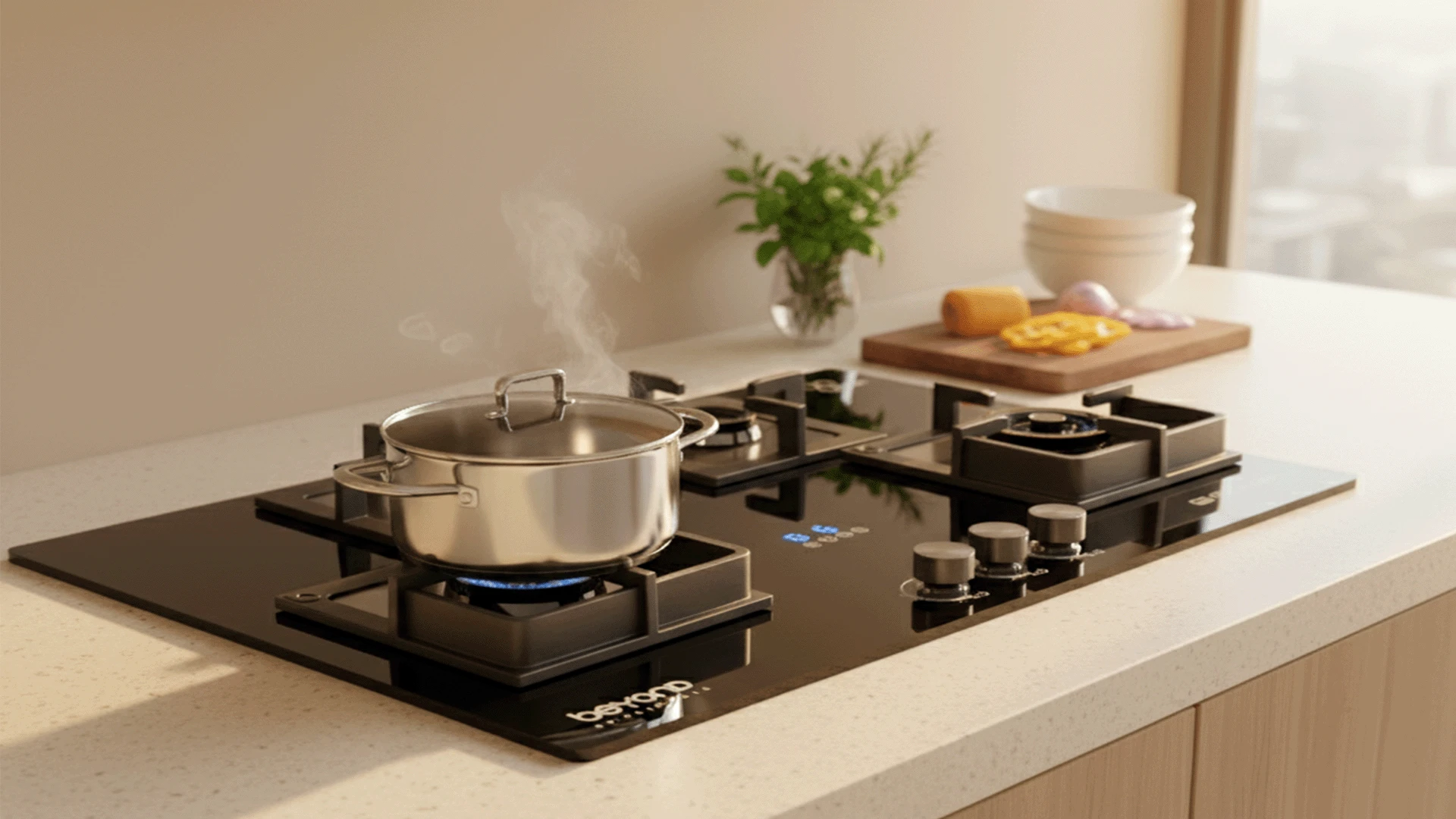
Understanding how hobtop efficiency works can transform your cooking experience and significantly reduce energy bills. Modern hobtops use different technologies to convert electrical or gas energy into heat for cooking. The efficiency of your hobtop determines how much energy actually reaches your food versus how much gets wasted as ambient heat. This guide explores the science behind hobtop efficiency, compares different types, and helps you make informed decisions for your kitchen.
Hobtop efficiency measures how effectively your appliance converts input energy into useful cooking heat. When we talk about how hobtop efficiency works, we're examining the percentage of energy that actually heats your cookware versus energy lost to the surrounding environment.
Thermal efficiency percentages tell the complete story. A 90% efficient hobtop means 90% of the energy consumed directly heats your pan, while only 10% escapes as waste heat. This efficiency rating directly impacts your hobtop energy consumption and monthly utility costs.
Heat transfer mechanisms vary significantly across different hobtop technologies. Induction models use electromagnetic fields to create heat directly in compatible cookware. Electric hobtops transfer heat through heated surfaces, while gas models rely on combustion flames. Each method has distinct efficiency characteristics that affect cooking performance and energy usage.
Understanding efficiency matters because it influences both your energy bills and cooking results. Higher efficiency means faster heating times, more precise temperature control, and reduced kitchen heat buildup. These factors combine to create a more comfortable cooking environment while saving money on energy costs.
Different hobtop technologies achieve varying levels of energy efficiency. Understanding these differences helps you choose the most suitable option for your cooking needs and budget considerations.
Induction hob efficiency reaches an impressive 90% thermal efficiency rating. This technology works by generating electromagnetic fields that create heat directly within compatible cookware. The magnetic field causes iron molecules in the pan to vibrate rapidly, producing heat without heating the hobtop surface itself.
This direct heating method eliminates the energy losses associated with heating intermediate surfaces. Induction hobtops respond instantly to power adjustments, providing precise temperature control while minimizing energy waste. Compatible cookware includes cast iron, stainless steel, and magnetic-bottom pans.
Electric hobtop efficiency typically ranges from 65-70% thermal efficiency. These models include ceramic glass surfaces and traditional solid plate designs. Electric hobtops heat elements beneath the cooking surface, which then transfer heat to your cookware through direct contact.
While less efficient than induction, electric hobtops provide consistent temperatures once stabilized. Heat-up and cool-down periods contribute to energy losses, but modern designs incorporate improved insulation and heat retention features to maximize efficiency.
Gas hobtops achieve 40-50% thermal efficiency due to combustion-based heating. Open flames heat cookware directly, but significant energy escapes as ambient heat around the pan sides. This heat loss reduces overall efficiency compared to electric alternatives.
Despite lower efficiency ratings, gas hobtops offer instant heat control and work with all cookware types. Many professional cooks prefer gas for its immediate response and visual flame indicators.
Understanding hobtop power usage helps you estimate operating costs and choose appropriately sized electrical circuits. Power consumption varies significantly based on hobtop type, cooking intensity, and usage patterns.
Wattage ratings indicate maximum power consumption under full load conditions. Induction hobtops typically range from 1800-3500 watts per cooking zone. Electric models consume 1200-2500 watts per element, while gas hobtops require minimal electricity for ignition systems but consume natural gas or LPG.
Peak versus average power consumption differs considerably during actual cooking. Most cooking tasks use 50-70% of maximum power settings. Simmering requires minimal energy, while boiling water demands full power initially before reducing to maintenance levels.
Cooking time significantly impacts total energy usage. Efficient hobtops reduce cooking times through faster heating and better heat transfer. A 10-minute reduction in daily cooking time can save substantial energy over a year. Calculate monthly costs by multiplying average daily usage hours by your local electricity rate per kilowatt-hour.
Energy efficient hobtops incorporate advanced technologies that minimize waste while maximizing cooking performance. These features work together to reduce energy consumption without compromising cooking quality.
Advanced heat distribution technology ensures even heating across cookware surfaces. Multi-ring heating elements and improved thermal conductivity reduce hot spots and cooking times. Smart power management systems automatically adjust energy output based on cookware size and cooking requirements.
Automatic sizing and pan detection features optimize energy delivery. These systems detect cookware diameter and adjust heating zones accordingly, preventing energy waste from heating unused surface areas. Residual heat indicators help utilize stored thermal energy for finishing cooking tasks.
Modern hobtop design elements improve efficiency through better insulation and heat retention. Sleek glass surfaces with improved thermal properties reduce heat loss to surrounding areas. Compact hobtop models offer space-saving solutions while maintaining full cooking functionality for smaller kitchens.
The hobtop vs gas stove debate centers on efficiency, performance, and long-term operating costs. Each technology offers distinct advantages depending on your cooking style and energy preferences.
Thermal efficiency comparisons reveal significant differences between technologies. Induction hobtops achieve 90% efficiency, electric models reach 65-70%, while gas stoves typically achieve 40-50% efficiency. These differences translate to substantial energy cost variations over time.
Real-world energy consumption testing shows induction hobtops use approximately 50% less energy than gas stoves for equivalent cooking tasks. Electric hobtops fall between these extremes, offering better efficiency than gas while remaining more affordable than induction options.
Heat-up time comparisons favor electric technologies. Induction hobtops heat cookware almost instantly, while electric models require 2-3 minutes to reach operating temperature. Gas stoves provide immediate flame but require time for cookware to absorb heat energy.
Temperature control precision varies significantly across technologies. Induction offers the most precise control, followed by electric models with digital controls. Gas stoves provide visual feedback but less precise temperature regulation for delicate cooking techniques.
This hobtop buying guide focuses on efficiency-related factors that impact long-term satisfaction and operating costs. Consider these elements when selecting your next cooking appliance.
Energy rating labels and certifications indicate tested efficiency levels. Look for Bureau of Energy Efficiency (BEE) star ratings and manufacturer efficiency specifications. Higher-rated models typically cost more initially but provide significant long-term savings through reduced energy consumption.
Size and power considerations should match your actual cooking needs. Oversized hobtops waste energy heating unused zones, while undersized models may struggle with large cookware or multiple simultaneous cooking tasks. Calculate your typical cooking requirements before selecting power ratings.
Proper electrical requirements ensure optimal performance and safety. Induction hobtops require dedicated circuits with appropriate amperage ratings. Electric models need proper voltage supply, while gas hobtops require professional gas line installation and adequate ventilation systems.
Cookware compatibility affects efficiency significantly. Induction requires magnetic-bottom cookware, while electric and gas hobtops work with most pan types. Flat-bottom cookware maximizes heat transfer efficiency across all hobtop technologies.
Energy efficiency varies by technology type. Induction hobs achieve up to 90% energy efficiency, electric hobs reach 65-70%, and gas hobs typically achieve 40-50% efficiency. These ratings measure how much input energy actually heats your cookware versus energy lost to the environment.
Thermal efficiency measures heat transfer effectiveness from the energy source to your cookware. Electric cooktops achieve 65-70% thermal efficiency through heated surface contact, while induction models reach 90% by directly heating cookware through electromagnetic fields.
Induction hobs are the most energy efficient cooking technology available. They directly heat cookware through electromagnetic induction, eliminating heat loss to surrounding surfaces. This technology provides faster cooking times and precise temperature control while using less energy.
Use properly sized cookware that matches heating zone diameters. Keep surfaces clean for optimal heat transfer. Utilize residual heat for finishing cooking tasks. Choose appropriate power settings rather than always using maximum heat. Cover pans when possible to retain heat and reduce cooking times.
Compact hobtops can be more energy efficient for smaller households because they're appropriately sized for actual cooking needs. They often feature advanced efficiency technologies and prevent energy waste from oversized cooking zones that remain unused during typical meal preparation.
Flat-bottom cookware with good thermal conductivity maximizes energy efficiency across all hobtop types. For induction hobtops, use magnetic-bottom pans made from cast iron or magnetic stainless steel. Properly sized cookware that matches heating zone diameters prevents energy waste.
Understanding how hobtop efficiency works empowers you to make informed decisions that reduce energy costs while improving cooking performance. Induction technology leads in efficiency at 90%, followed by electric models at 65-70%, and gas options at 40-50%. Your choice depends on cooking preferences, budget considerations, and existing kitchen infrastructure.
Energy efficient hobtops incorporate advanced features like automatic pan detection, smart power management, and improved heat distribution. These technologies work together to minimize waste while maximizing cooking performance. Consider long-term operating costs alongside initial purchase prices when selecting your ideal hobtop for optimal value and efficiency.
