

How FFD Sensors Work: Complete Hob Safety Guide
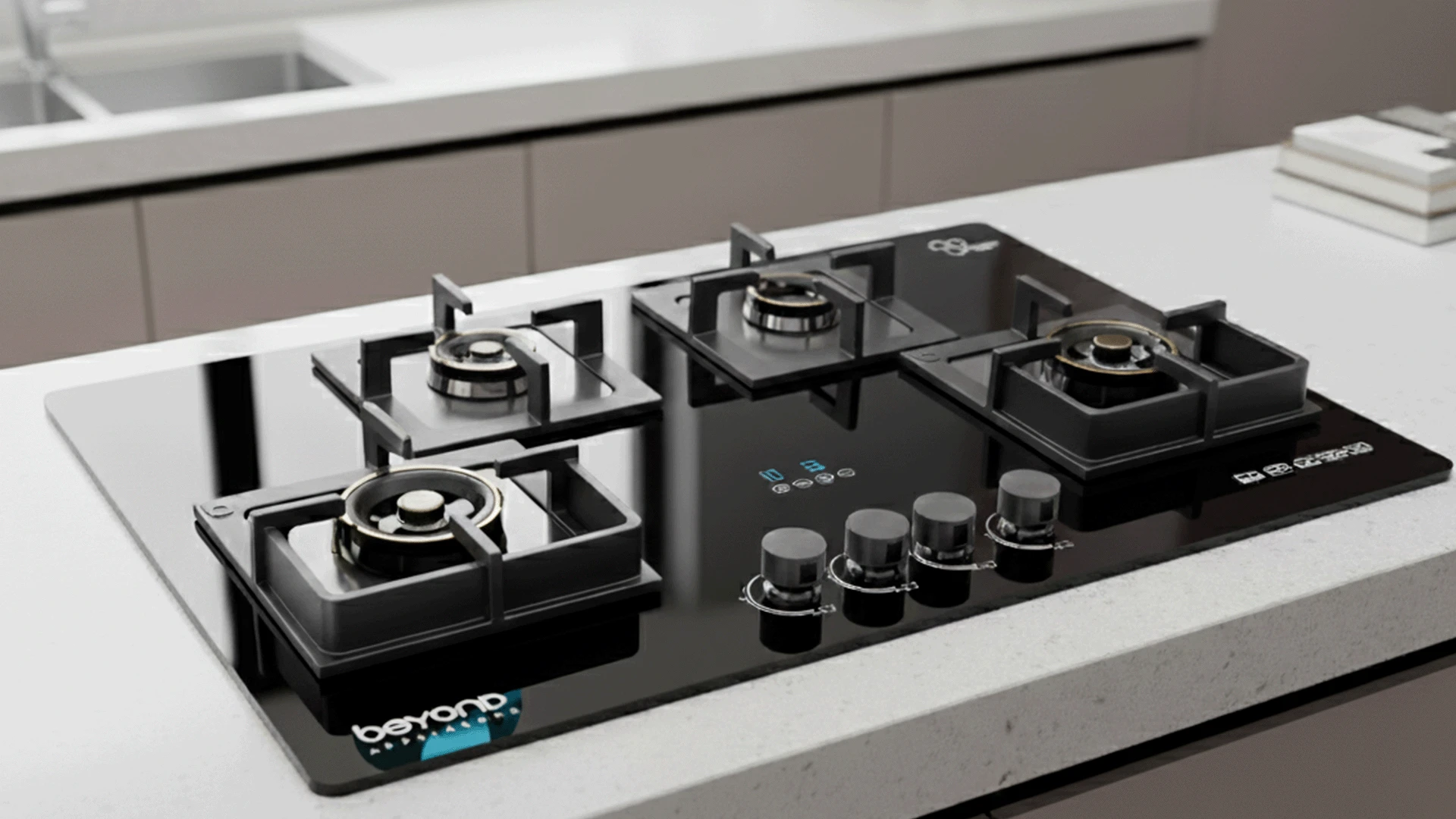
Gas cooking brings convenience and precision to modern kitchens, but safety remains the top priority. Flame failure device detection sensors represent one of the most critical safety innovations in gas hobs today. These sophisticated systems protect families from gas leaks, carbon monoxide poisoning, and potential explosions by automatically cutting gas supply when flames extinguish unexpectedly. Understanding how these sensors work helps homeowners make informed decisions about gas hob safety and ensures proper maintenance of their cooking appliances.
A flame failure device serves as the primary safety mechanism in modern gas cooking appliances. This essential component continuously monitors flame presence and automatically shuts off gas flow when combustion stops. The technology prevents dangerous gas accumulation in kitchens and protects against carbon monoxide exposure from incomplete combustion.
The FFD sensor operates on a simple yet effective principle. When a flame burns properly, it generates heat that the sensor detects through specialized components. If wind, spills, or other factors extinguish the flame, the sensor immediately recognizes the temperature drop and triggers an automatic gas shutoff valve. This rapid response typically occurs within seconds of flame extinction.
Today's compact hob models incorporate FFD technology seamlessly into sleek designs. Manufacturers position sensors strategically near each burner without compromising the appliance's aesthetic appeal. Advanced models feature multiple sensors per burner for enhanced reliability and faster response times.
The science behind flame detection sensor technology involves precise temperature monitoring and electrical signal generation. Most residential gas hobs use thermocouple-based systems that convert heat directly into electrical current. This current keeps the gas valve open as long as proper combustion continues.
Thermocouples consist of two different metal wires joined at one end, creating a junction that generates voltage when heated. In gas hobs, this junction sits in the flame path where it experiences direct heat exposure. The voltage produced is proportional to temperature, providing accurate flame detection. When flames extinguish, the junction cools rapidly, voltage drops to zero, and the safety valve closes automatically.
The flame detection process follows a precise sequence. First, manual ignition creates the initial flame that heats the thermocouple junction. Within 10-30 seconds, the sensor generates sufficient voltage to hold the gas valve open. During normal operation, continuous heat maintains this electrical signal. If flame extinction occurs, the cooling junction stops producing voltage within 3-5 seconds, triggering immediate gas shutoff.
Modern FFD sensors respond incredibly quickly to flame loss. Most systems shut off gas flow within 5-10 seconds of flame extinction. This rapid response prevents dangerous gas accumulation while allowing brief flame interruptions from normal cooking activities like stirring or adding ingredients.
Gas appliance safety extends beyond flame failure devices to include multiple protective systems. Comprehensive safety designs incorporate various sensors and mechanisms that work together to prevent accidents and ensure reliable operation.
Advanced gas hobs feature automatic ignition systems that eliminate the need for matches or lighters. Overheat protection sensors monitor surface temperatures and can reduce gas flow if excessive heat is detected. Child safety locks prevent accidental ignition, while spillage guards protect sensors from liquid damage.
Newer modern hob design incorporates digital monitoring that tracks usage patterns and alerts users to potential issues. Some models include smartphone connectivity for remote monitoring and automatic shutoff scheduling. These smart features enhance traditional FFD protection with predictive safety measures.
Understanding potential flame failure device issues helps homeowners maintain optimal safety performance. Regular maintenance and prompt attention to warning signs prevent sensor failures that could compromise kitchen safety.
FFD sensors can fail due to several factors. Grease and food debris accumulation on sensor tips reduces heat transfer efficiency. Loose electrical connections cause intermittent signal loss. Age-related metal fatigue affects thermocouple accuracy. Corrosion from cleaning chemicals can damage sensor components permanently.
Basic hob troubleshooting starts with visual inspection of sensor areas. Clean sensors gently with soft brushes to remove debris buildup. Check for obvious damage like bent or corroded components. Test each burner individually to isolate problematic sensors. However, internal repairs require professional technicians due to gas safety regulations.
Regular cleaning prevents most FFD issues. Wipe sensor areas weekly during routine hob cleaning. Avoid harsh chemicals that might corrode metal components. Schedule annual professional inspections to verify proper sensor function and gas connections. Replace sensors immediately if response times become sluggish or inconsistent.
Gas appliance safety regulations mandate FFD installation in all new gas cooking appliances. These standards ensure consistent protection across different brands and models. Professional installation guarantees proper sensor positioning and electrical connections for optimal safety performance.
Safety certifications require rigorous testing of FFD response times and reliability. Sensors must shut off gas flow within specified timeframes under various conditions. Regular inspections verify continued compliance with safety standards throughout the appliance's service life.
Qualified technicians understand gas system complexities and safety protocols. They possess specialized tools for accurate sensor testing and calibration. Professional installation ensures warranty coverage and compliance with local building codes. Regular professional maintenance identifies potential issues before they become safety hazards.
A failed sensor typically prevents the burner from staying lit or causes gas to shut off unexpectedly. This fail-safe design ensures safety even when sensors malfunction. Contact a qualified technician immediately for sensor replacement.
Quality FFD sensors typically function reliably for 8-12 years with proper maintenance. Heavy usage or poor maintenance may reduce lifespan. Regular professional inspections help identify sensors nearing replacement time.
Gentle external cleaning is safe for homeowners using soft brushes and mild detergents. Avoid harsh chemicals or abrasive materials. Internal sensor work requires professional service due to gas safety considerations.
Frequent flame extinction may indicate sensor contamination, improper gas pressure, or ventilation issues. Check for debris around sensors first. Persistent problems require professional diagnosis to ensure safe operation.
Most regions mandate FFD installation in new gas appliances. Existing appliances may require retrofitting during major renovations. Check local building codes for specific requirements in your area.
Sensor replacement typically costs INR 2,000-5,000 including labor, depending on hob model and local service rates. Professional installation ensures proper function and maintains warranty coverage.
Flame failure device detection sensors provide essential protection for gas hob users through reliable, automatic safety shutoffs. Understanding how these systems work helps homeowners maintain optimal safety performance and recognize when professional service is needed. Regular maintenance, proper cleaning, and professional inspections ensure FFD sensors continue protecting families from gas-related hazards. When choosing new gas cooking appliances, prioritize models with proven FFD technology and comprehensive safety features for peace of mind in daily cooking activities.
