

Hobtop Stove vs Cooktop: Complete Buyer's Guide
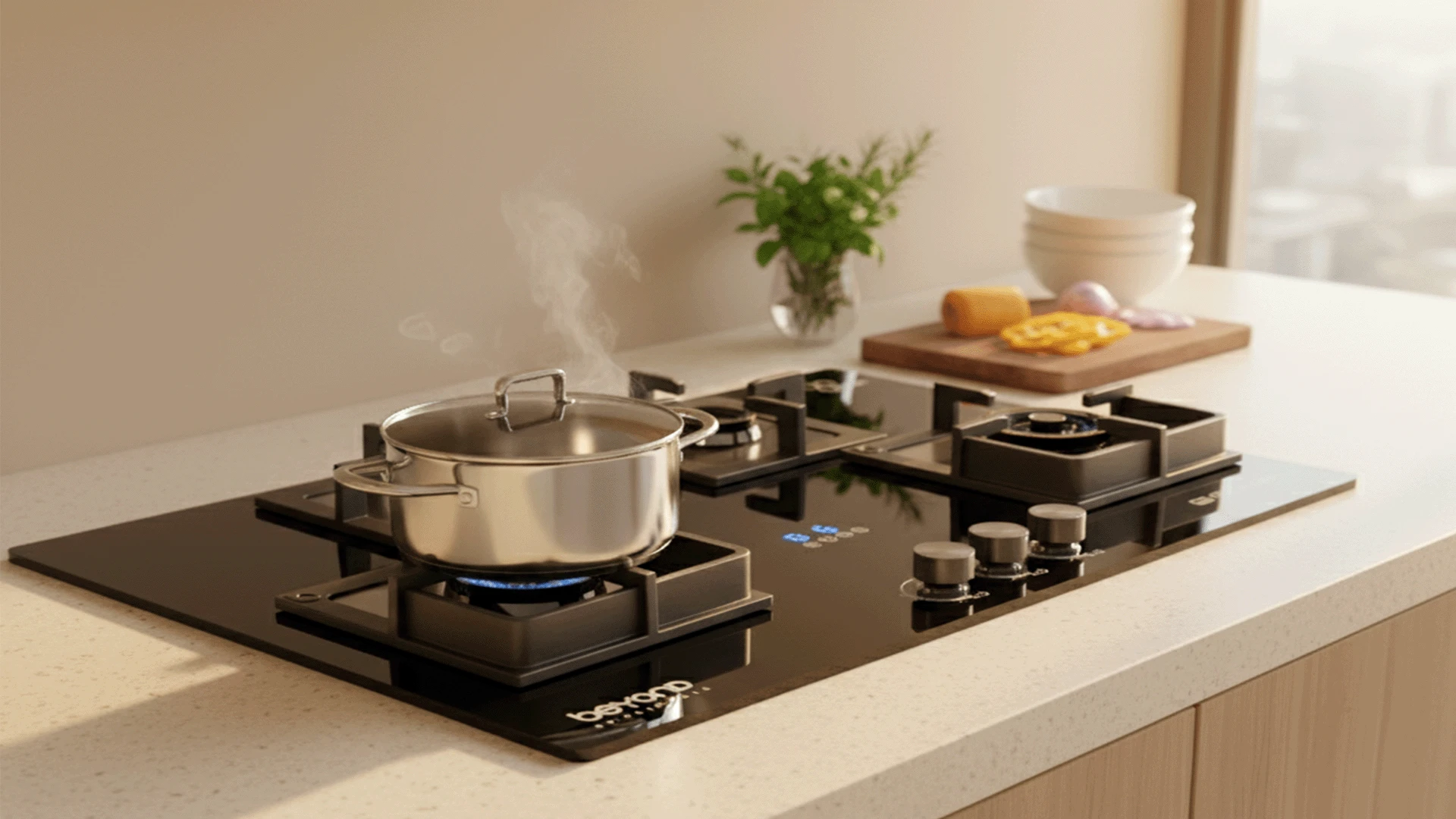
Choosing between a hobtop stove and a cooktop can feel overwhelming when designing your dream kitchen. Both cooking solutions offer unique advantages, but understanding their differences is crucial for making the right choice. Whether you're renovating your kitchen or building a new home, this comprehensive guide will help you navigate the key differences between hobtop stove vs cooktop options. From installation requirements to cooking performance, we'll explore everything you need to know to make an informed decision that suits your lifestyle and kitchen design.
The terms "hobtop" and "cooktop" often cause confusion among homeowners. A hobtop refers to a built-in cooking surface that sits flush with your countertop, creating a seamless appearance. Cooktops, on the other hand, can be either built-in or freestanding units that sit on top of your counter. The main structural difference lies in their installation method. Hobtops require precise countertop cutouts and professional installation, while cooktops offer more flexibility in placement. This fundamental difference affects everything from kitchen design to maintenance requirements. Understanding these distinctions helps you evaluate which option aligns better with your kitchen goals and budget constraints.
When comparing hobtop vs cooktop options, several critical factors distinguish these cooking solutions. The choice impacts your kitchen's functionality, aesthetics, and long-term maintenance needs.
Hobtop installation requires professional expertise and careful planning. The process involves cutting precise openings in your countertop, ensuring proper ventilation, and connecting gas or electrical lines. This complexity typically adds INR 3,000 to INR 8,000 to your total project cost. Cooktops offer simpler installation options. Freestanding models require minimal setup, while built-in versions still need less precision than hobtops. Many homeowners can install portable cooktops themselves, saving on professional installation fees.
Modern cooktop design emphasizes clean lines and seamless integration. Hobtops excel in this area, creating an uninterrupted countertop surface that enhances your kitchen's visual appeal. This flush-mounted design makes cleaning easier and prevents food particles from accumulating around edges. Cooktops provide design flexibility but may create visual breaks in your countertop. However, compact cooktops work excellently in smaller kitchens where space optimization matters more than seamless aesthetics.
Both options incorporate modern safety features, but their implementation differs. Hobtops often include automatic shut-off systems and child safety locks integrated into the countertop design. The flush mounting reduces accidental contact with hot surfaces. Cooktops feature visible controls and safety indicators that some users prefer. The raised design makes it easier to spot potential hazards, though it may increase burn risks for children.
Understanding different cooktop types helps you choose the right technology for your cooking style. Each type offers distinct advantages and limitations that affect performance and operating costs.
Gas cooktop models remain popular for their instant heat control and familiar operation. They provide excellent temperature adjustment for Indian cooking techniques like tempering spices and making rotis. Gas cooktops work during power outages and offer visual flame indicators for precise cooking control. Maintenance involves regular burner cleaning and occasional gas line inspections. Operating costs depend on local gas prices, typically ranging from INR 400 to INR 800 monthly for average households.
Electric cooktop models provide consistent heating and easy temperature control. They heat evenly across the cooking surface, making them ideal for slow-cooking dishes and maintaining steady temperatures. Electric models often cost less initially than gas or induction options. Energy consumption varies based on usage patterns, typically adding INR 600 to INR 1,200 to monthly electricity bills. They require compatible cookware and take longer to heat up compared to gas alternatives.
Induction cooktop technology offers the fastest heating and highest energy efficiency. These models heat cookware directly through magnetic fields, reducing energy waste and cooking times. Safety features include automatic pan detection and cool-touch surfaces. Induction cooktops require magnetic cookware, which may necessitate replacing existing pots and pans. Initial costs are higher, but energy savings offset this over time.
Portable cooktop options provide flexibility for small kitchens or temporary cooking needs. These units work well for students, renters, or as backup cooking solutions. They require minimal installation and can be stored when not in use. Power requirements vary by model, with most needing standard electrical outlets. Performance may be limited compared to built-in options, but they offer excellent value for specific situations.
This comprehensive cooktop buying guide covers the most important factors that influence your purchase decision. Evaluating these elements ensures you choose a cooking solution that meets your needs and budget.
Measure your available space carefully before selecting any cooking appliance. Compact cooktops work well in kitchens with limited counter space, while larger families may need four or five-burner configurations. Consider clearance requirements for safe operation and proper ventilation. Existing kitchen layouts may favor certain installation types. Open kitchens benefit from seamless hobtop integration, while traditional kitchens may accommodate freestanding cooktops better.
Analyze your daily cooking patterns to determine the right burner configuration and heat output. Indian cooking often requires high-heat burners for quick stir-frying and low-heat options for slow cooking. Consider how many dishes you typically prepare simultaneously. Professional-grade features may justify higher costs if you cook frequently or entertain regularly. Casual cooks might find basic models perfectly adequate for their needs.
Initial purchase prices range from INR 8,000 for basic portable models to INR 50,000 for premium built-in units. Factor in installation costs, which can add INR 2,000 to INR 10,000 depending on complexity. Consider operating costs over five to ten years when comparing gas, electric, and induction options. Warranty coverage and after-sales service availability affect long-term value. Choose brands with reliable service networks in your area.
Proper installation ensures safe operation and optimal performance from your cooking appliance. Understanding installation requirements helps you budget accurately and plan your kitchen renovation timeline.
Professional hobtop installation begins with precise measurements and countertop preparation. Installers cut openings to exact specifications, ensuring proper fit and support. Gas connections require certified technicians to ensure safety compliance. Electrical connections must meet local codes and safety standards. The process typically takes four to six hours, including testing and safety verification. Proper installation prevents gas leaks and ensures warranty coverage.
Cooktop installation varies by model type. Freestanding units require minimal setup, mainly involving gas or electrical connections. Built-in cooktops need countertop modifications but less precision than hobtops. DIY installation is possible for some models, but gas connections always require professional service. Electric models offer easier self-installation options for experienced homeowners.
Indian cooking demands specific performance characteristics that not all cooking appliances handle equally well. Understanding these requirements helps you choose the most suitable option for your culinary needs.
Indian cooking techniques require precise heat control for optimal results. Gas options provide instant flame adjustment ideal for tempering spices and making chapatis. The visual flame feedback helps experienced cooks gauge heat levels accurately. Induction models offer rapid heating and precise temperature control, excellent for dishes requiring consistent temperatures. Electric cooktops provide steady heat but may lack the quick adjustments needed for some Indian cooking techniques.
Daily use in Indian kitchens demands robust construction and easy maintenance. Gas burners require regular cleaning to prevent clogging from spice residues. Stainless steel surfaces resist staining and corrosion better than other materials. Induction cooktops feature smooth surfaces that clean easily but may show scratches over time. Electric coil burners are durable but can be challenging to clean thoroughly after heavy use.
The choice depends on your kitchen design preferences and installation requirements. Hobtops offer seamless integration and modern aesthetics, while cooktops provide installation flexibility and easier maintenance access.
Hobtops are specifically designed for built-in installation and cannot function safely as freestanding cooktops. Their mounting systems and safety features require proper countertop integration.
Main drawbacks include complex installation requirements, higher replacement costs, potential countertop damage during installation or removal, and limited accessibility for repairs compared to freestanding alternatives.
Modern hobtops work excellently for Indian cooking when properly configured. Choose models with high-output burners and precise flame control to handle the diverse heat requirements of Indian cuisine.
Both options have merits for Indian kitchens. Gas stoves offer familiar operation and easy maintenance, while hobtops provide modern aesthetics and space efficiency. Consider your cooking style and kitchen design priorities.
A hobtop gas stove is a built-in cooking surface that integrates flush with your countertop. It combines the familiar operation of gas burners with modern design aesthetics and space-saving installation.
Choosing between hobtop stoves and cooktops requires careful consideration of your kitchen design, cooking habits, and budget constraints. Both options offer excellent performance when properly selected and installed. Hobtops excel in modern kitchen designs where seamless integration matters most, while cooktops provide flexibility and easier maintenance access. Consider your long-term needs, installation requirements, and cooking preferences to make the best choice for your home. Remember that proper installation and regular maintenance ensure optimal performance regardless of which option you choose.
