

Hobtop Stove 101: Complete Operation Guide
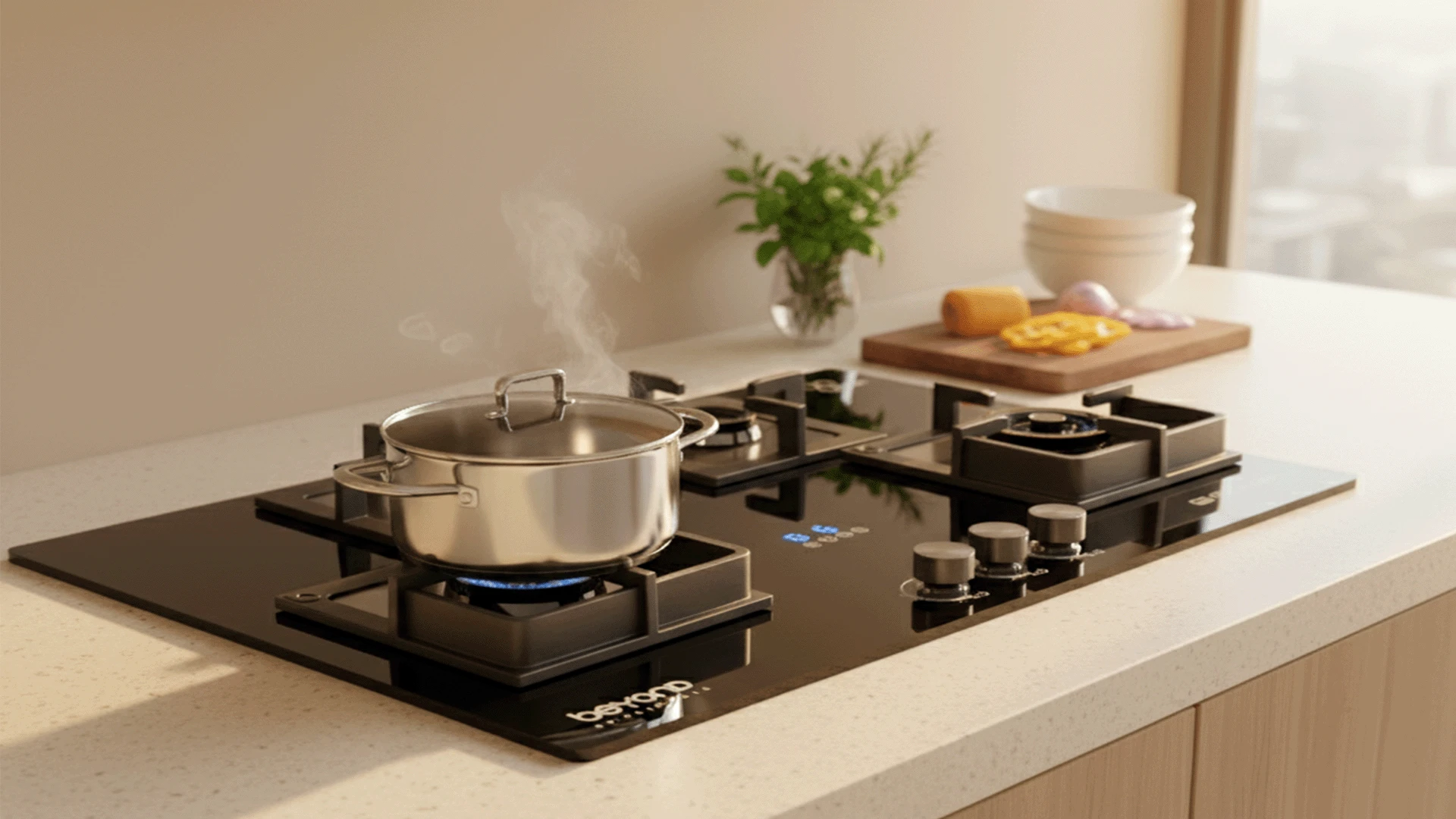
Modern kitchens demand efficient cooking solutions that blend seamlessly with contemporary design. Hobtop stoves have become the preferred choice for homemakers who value both functionality and aesthetics. Whether you're setting up a new kitchen or upgrading your existing cooking setup, understanding how to operate hobtop stove systems safely and efficiently is essential. This comprehensive guide covers everything from basic operation to advanced maintenance, ensuring you get the most from your cooking appliance while maintaining safety standards.
A hobtop stove is a built-in cooking surface that sits flush with your kitchen countertop, creating a sleek and integrated appearance. Unlike traditional standalone gas stoves, hobtops offer a more sophisticated cooking experience with better heat distribution and modern safety features. These cooking surfaces come in various configurations, from compact two-burner units perfect for small kitchens to expansive four or five-burner setups for larger households. The primary advantage of modern hobtop stoves lies in their space-efficient design and enhanced safety features. Built-in hobtops eliminate the gaps around traditional stoves, making cleaning easier and creating a more hygienic cooking environment. They also offer better integration with kitchen chimneys and exhaust systems, ensuring optimal ventilation during cooking.
Built-in hobtops require professional installation and become a permanent fixture in your kitchen design. They offer superior aesthetics and space utilization compared to standalone units.
Hobtops provide even heat distribution, easier cleaning, better safety controls, and seamless integration with modern kitchen designs. They also offer energy efficiency advantages over traditional cooking methods.
Understanding the different types of hobtop stoves helps you choose the right cooking solution for your needs. Each type offers distinct advantages in terms of cooking performance, energy efficiency, and maintenance requirements. Gas hobtops remain popular for their instant heat control and compatibility with all cookware types, while electric and induction models offer precise temperature management and enhanced safety features. Gas hobtops feature auto-ignition systems that eliminate the need for manual lighting, making them safer and more convenient to use. Most modern gas hobtops include flame failure safety devices that automatically shut off gas supply if the flame goes out unexpectedly.
Gas hobtops with auto-ignition provide instant lighting with a simple knob turn. These systems include safety sensors that detect flame presence and cut gas supply if needed.
Ceramic hobtop cooking offers smooth surfaces that are easy to clean and provide even heat distribution. These units feature multiple heat zones with independent temperature controls.
Induction hobtop cooking uses magnetic fields to heat compatible cookware directly, offering the fastest and most energy-efficient cooking method. These systems only work with ferromagnetic cookware but provide precise temperature control.
Mastering hobtop stove operation begins with understanding your specific model's features and safety mechanisms. Before operating any hobtop, ensure proper ventilation by turning on your kitchen chimney or exhaust fan. Check that all control knobs are in the 'off' position and that the cooking surface is clean and free from debris. For gas hobtops, verify that the gas supply valve is open and that all burner caps and grates are properly positioned. Electric and induction models require checking the power connection and ensuring the cooking surface is dry before operation.
Turn the control knob to the ignition position while pressing down. The auto-ignition system will create sparks to light the gas. Once the flame appears, adjust the knob to your desired heat level.
Press the main power button to activate the hobtop. Select your cooking zone using the touch controls or knobs, then adjust the heat level using the plus and minus buttons or rotary controls.
Read the user manual thoroughly before first use. Test all burners or cooking zones at low heat settings to familiarize yourself with the controls and heat distribution patterns.
Hobtop stove safety should be your top priority when operating any cooking appliance. Proper safety practices prevent accidents and ensure long-term reliable operation. Always maintain adequate ventilation during cooking to prevent gas buildup and remove cooking odors effectively. Never leave cooking unattended, especially when using high heat settings. Keep flammable materials like kitchen towels, paper, and plastic containers away from the cooking surface. Ensure children understand the dangers of hot surfaces and consider using child safety locks if available on your model.
Inspect gas connections for leaks using soapy water. Check that all control knobs function properly and that safety devices are operational.
Know how to quickly shut off gas supply at the main valve. Keep a fire extinguisher nearby and understand how to use it safely in case of cooking fires.
Activate child locks when available. Teach children about hot surface dangers and establish clear kitchen safety rules.
Regular cleaning hobtop stove surfaces and components ensures optimal performance and extends appliance lifespan. Different hobtop types require specific cleaning approaches to maintain their appearance and functionality. Gas hobtops need attention to burner ports and grates, while smooth ceramic and induction surfaces require gentle cleaning to prevent scratches. Daily cleaning involves wiping down surfaces after each use while they're still warm but not hot. This prevents food residue from hardening and makes cleaning easier. Use appropriate cleaning products for your hobtop type to avoid damage to special coatings or finishes.
Wipe surfaces with a damp cloth after cooling. Remove and clean burner grates and drip pans for gas models. Clean spills immediately to prevent staining.
Remove all removable parts for thorough washing. Clean burner ports with a soft brush. Polish stainless steel surfaces with appropriate cleaners.
Hobtop stove maintenance includes inspecting gas connections, checking electrical connections, and testing safety features. Schedule professional servicing annually for optimal performance.
Turn the control knob to the ignition position while pressing down. The auto-ignition system will light the gas automatically. If auto-ignition fails, use a long lighter while turning the knob to the light position.
Induction hobtops require ferromagnetic cookware such as cast iron, magnetic stainless steel, or cookware specifically labeled as induction-compatible. Test cookware with a magnet - if it sticks, it will work with induction.
Rotate the control knob clockwise to increase flame size or counterclockwise to decrease it. The flame should be blue with minimal yellow tips for optimal efficiency.
Use only manufacturer-recommended cleaning products. Avoid abrasive cleaners on ceramic or induction surfaces. For gas hobtops, use mild detergents and avoid getting electrical components wet.
Check that the gas supply is on and burner ports are clean. For electric models, verify power connections. If problems persist, contact professional service support.
Schedule professional servicing annually for gas models and every two years for electric models. Perform monthly safety checks and daily cleaning for optimal performance.
Mastering how to operate hobtop stove systems safely and efficiently enhances your cooking experience while ensuring kitchen safety. Regular maintenance and proper cleaning extend appliance lifespan and maintain optimal performance. Understanding your specific hobtop type - whether gas, electric, or induction - helps you utilize all available features effectively. Remember that safety should always be your primary concern when operating any cooking appliance, and don't hesitate to seek professional help when needed.
