

Hobtop Materials: Your Complete Buying Guide
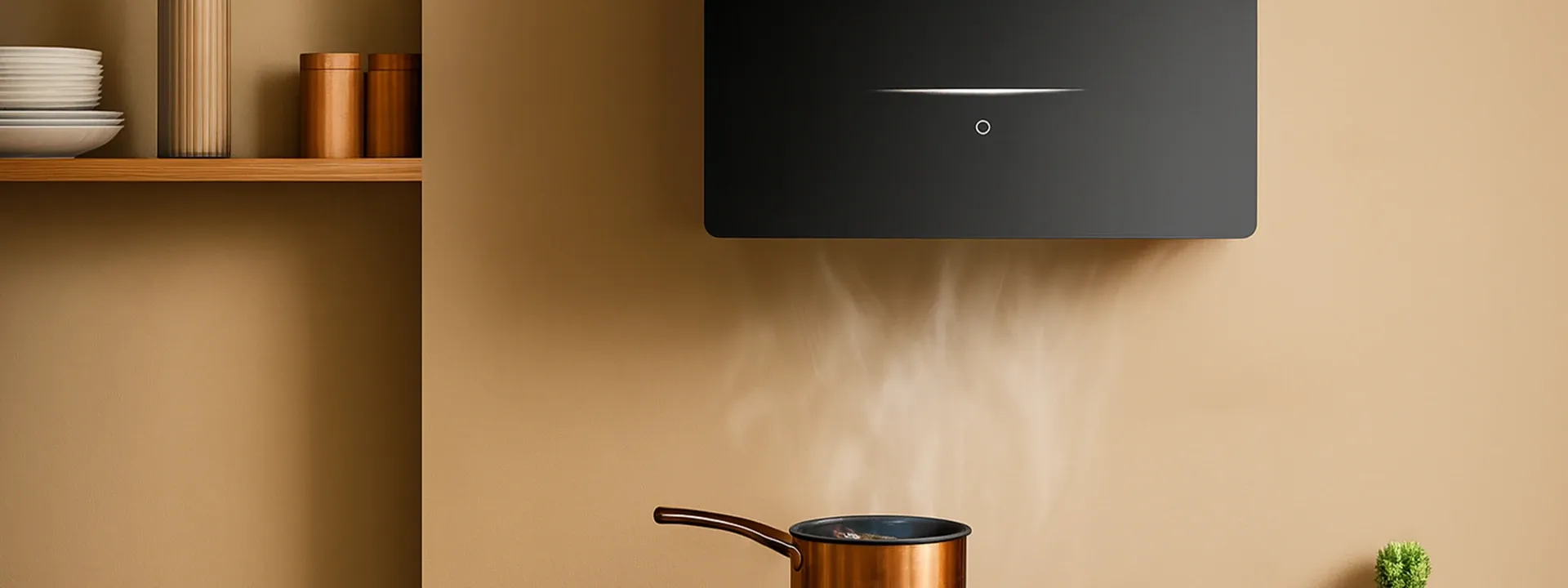
Choosing the right hobtop material can transform your cooking experience and kitchen aesthetics. With multiple surface options available today, understanding the differences between glass, stainless steel, and ceramic materials becomes crucial for making an informed decision. Each material offers unique benefits in terms of durability, heat distribution, and maintenance requirements. Modern kitchens demand both functionality and style, making hobtop body material comparison an essential step in your appliance selection process. This comprehensive guide explores every aspect of hobtop materials to help you choose the perfect surface for your cooking needs.
The foundation of any quality hobtop lies in its surface material, which directly impacts cooking performance, safety, and longevity. Hobtop materials vary significantly in their composition, heat conductivity, and maintenance requirements. Understanding these differences helps you align your choice with specific cooking habits and kitchen design preferences. Material selection affects everything from heat distribution to cleaning ease. Glass surfaces offer sleek aesthetics and easy maintenance, while stainless steel provides professional-grade durability. Ceramic materials combine the benefits of both worlds, offering excellent heat retention with modern appeal. Each material responds differently to temperature changes, impacts energy efficiency, and requires specific care routines.
Three main categories dominate the hobtop market: glass-ceramic, stainless steel, and specialized induction surfaces. Glass-ceramic materials excel in electric and induction cooking applications, providing smooth surfaces that distribute heat evenly. Stainless steel options work well across all cooking methods, offering superior durability for heavy-use kitchens.
Material choice significantly impacts cooking method compatibility. Gas hobtops typically feature stainless steel or enamel-coated surfaces that withstand direct flame exposure. Electric and induction models rely on glass-ceramic surfaces that provide optimal heat transfer while maintaining safety standards.
Glass surfaces represent the most popular choice for modern hobtops, combining aesthetic appeal with practical functionality. Glass hob durability depends heavily on the specific type of glass used and manufacturing quality. Toughened glass and ceramic glass offer different performance characteristics that suit various cooking needs. The smooth surface of glass hobtops makes cleaning effortless, requiring only gentle wiping with appropriate cleaners. Heat distribution remains consistent across the entire surface, eliminating hot spots that can cause uneven cooking. Modern glass materials resist thermal shock, handling rapid temperature changes without cracking or damage.
Toughened glass undergoes special heat treatment that increases its strength by up to five times compared to regular glass. This process creates internal stress patterns that make the glass shatter into small, relatively harmless pieces if broken. Ceramic hob materials offer superior heat resistance and can withstand temperatures up to 700°C without damage.
Glass hobtops incorporate multiple safety features including residual heat indicators and automatic shut-off systems. The surface remains relatively cool around cooking zones, reducing accidental burn risks. Thermal expansion properties allow glass to handle temperature variations without warping or cracking.
Daily maintenance involves wiping the surface with a damp cloth after cooling. Stubborn stains require specialized glass cleaners that won't scratch the surface. Avoid abrasive materials and harsh chemicals that can damage the protective coating. Regular cleaning prevents buildup that can affect heat transfer efficiency.
Glass surfaces complement contemporary kitchen designs with their sleek, minimalist appearance. The reflective quality adds visual depth to kitchen spaces while maintaining clean lines. Modern hob design often features edge-to-edge glass that creates seamless integration with countertops.
Stainless steel remains the preferred choice for professional kitchens due to its exceptional durability and heat resistance. Stainless steel hob surfaces withstand heavy use while maintaining their appearance over years of service. The material's non-porous nature prevents bacteria growth and makes sanitization straightforward. Different grades of stainless steel offer varying levels of corrosion resistance and magnetic properties. Grade 304 stainless steel provides excellent corrosion resistance for most kitchen applications. Grade 430 offers magnetic properties essential for induction compatibility while maintaining good durability.
Grade 304 stainless steel contains higher nickel content, providing superior corrosion resistance and a brighter finish. This grade works well in humid environments and resists staining from acidic foods. Grade 430 contains more chromium and less nickel, making it magnetic and suitable for induction applications while offering good heat resistance.
Stainless steel's chromium content forms a protective oxide layer that prevents rust and corrosion. This self-healing property means minor scratches don't compromise the material's integrity. Proper care maintains this protective layer, ensuring decades of reliable performance.
Stainless steel distributes heat evenly across its surface, preventing hot spots that can cause food to burn. The material's thermal mass helps maintain consistent temperatures during cooking. Heat retention properties allow for energy-efficient cooking by maintaining warmth after power reduction.
Daily cleaning requires wiping with grain direction using microfiber cloths. Specialized stainless steel cleaners remove fingerprints and restore shine. Avoid chlorine-based cleaners that can damage the protective oxide layer. Regular maintenance prevents water spots and maintains the material's lustrous appearance.
Induction hob materials require specific properties to facilitate magnetic field generation and heat transfer. Glass-ceramic surfaces dominate induction technology due to their non-magnetic properties and excellent heat resistance. These materials allow magnetic fields to pass through while providing a stable cooking surface. Induction technology demands precise material specifications to ensure optimal performance and safety. The surface must remain cool while allowing efficient energy transfer to compatible cookware. Material thickness and composition directly impact induction efficiency and cooking responsiveness.
Glass-ceramic materials combine the strength of ceramic with the smooth surface of glass. This hybrid material withstands thermal shock while maintaining excellent heat transfer properties. The crystalline structure provides superior strength compared to standard glass surfaces.
Induction surfaces require non-ferromagnetic materials that won't interfere with magnetic field generation. The material must also provide excellent thermal conductivity to transfer heat efficiently from cookware to food. Surface smoothness ensures proper contact between cookware and heating elements.
Induction materials facilitate direct heating of cookware, achieving up to 90% energy efficiency. Heat transfer occurs instantly, providing precise temperature control and rapid response to setting changes. The surface remains relatively cool, reducing energy waste and improving kitchen comfort.
Induction surfaces require ferromagnetic cookware materials including cast iron, carbon steel, and magnetic stainless steel. Aluminum and copper cookware need magnetic bases to work with induction surfaces. Proper cookware selection maximizes heating efficiency and cooking performance.
Hobtop body material comparison reveals significant differences in performance characteristics across various applications. Safety features vary between materials, with glass surfaces offering visual heat indicators and stainless steel providing superior burn resistance. Cost considerations include initial purchase price and long-term maintenance expenses. Energy efficiency varies significantly between materials and cooking methods. Induction surfaces achieve the highest efficiency ratings, while gas hobtops with stainless steel surfaces offer excellent heat control. Electric glass-ceramic surfaces provide moderate efficiency with excellent heat distribution.
Glass surfaces retain heat longer than stainless steel, requiring careful handling after cooking. Residual heat indicators provide visual warnings when surfaces remain hot. Stainless steel cools more quickly but can cause severe burns during active cooking. Proper safety features minimize risks across all material types.
Induction glass-ceramic surfaces achieve 85-90% energy efficiency through direct magnetic heating. Gas hobtops with stainless steel surfaces reach 60-70% efficiency with proper flame adjustment. Electric glass surfaces provide 70-80% efficiency with good heat distribution properties.
Stainless steel hobtops typically cost more initially but offer longer lifespan and lower maintenance costs. Glass surfaces provide moderate initial costs with easy cleaning but may require replacement if damaged. Compact cooktop options in various materials offer budget-friendly alternatives without compromising quality.
Stainless steel surfaces withstand 15-20 years of heavy use with proper maintenance. Glass-ceramic materials last 10-15 years under normal cooking conditions. Impact resistance varies significantly, with stainless steel offering superior protection against physical damage.
Selecting the optimal hobtop material requires careful consideration of cooking habits, kitchen design, and budget constraints. Cooktop buying guide principles emphasize matching material properties with specific user requirements. Heavy cooking demands durable materials like stainless steel, while occasional cooking suits glass surfaces perfectly. Kitchen integration plays a crucial role in material selection, as surfaces must complement existing design elements. Modern kitchens often favor glass surfaces for their sleek appearance, while traditional designs may benefit from stainless steel's classic appeal. Space constraints may favor compact designs in specific materials.
Small kitchens benefit from glass surfaces that create visual continuity and don't overwhelm the space. Large kitchens can accommodate any material type, with stainless steel providing professional appeal. Compact cooktop designs in glass materials maximize counter space while maintaining full functionality.
Frequent cooking requires durable materials that withstand daily use and cleaning. Occasional cooking allows for more aesthetic-focused choices like glass surfaces. Heavy-duty cooking benefits from stainless steel's superior heat resistance and durability.
Initial material costs vary significantly, with stainless steel typically commanding premium prices. Glass surfaces offer moderate pricing with excellent value for most users. Long-term costs include maintenance, cleaning supplies, and potential replacement expenses.
Material selection should complement existing appliances and design themes. Modern kitchens suit glass surfaces that provide clean, contemporary lines. Traditional kitchens benefit from stainless steel's timeless appeal and professional appearance.
Stainless steel hobtops work excellently for Indian cooking due to their durability and heat resistance. They handle high-temperature cooking methods like tadka and deep frying without damage. Glass surfaces also work well but require careful handling with heavy cookware commonly used in Indian kitchens.
Induction glass-ceramic surfaces offer the highest energy efficiency at 85-90%. They heat cookware directly through magnetic fields, minimizing energy waste. Gas hobtops with stainless steel surfaces provide good efficiency at 60-70% with precise flame control.
Glass-ceramic materials are specifically designed for induction cooking. They allow magnetic fields to pass through while providing a stable, heat-resistant surface. The non-magnetic properties ensure optimal induction performance and energy transfer.
Glass surfaces require gentle cleaning with specialized cleaners to prevent scratching. Stainless steel needs regular polishing to maintain shine and prevent water spots. Both materials benefit from daily wiping and immediate spill cleanup.
Glass surfaces should include residual heat indicators and automatic shut-off features. Stainless steel hobtops benefit from flame failure safety devices for gas models. All materials should meet safety standards for thermal shock resistance and surface stability.
Glass-ceramic surfaces typically offer excellent value combining moderate cost with easy maintenance and good durability. Stainless steel provides superior longevity but requires higher initial investment. Consider your cooking frequency and budget when making the final decision.
Choosing the right hobtop material significantly impacts your cooking experience and kitchen functionality. Glass surfaces excel in modern kitchens requiring easy maintenance and sleek aesthetics. Stainless steel provides unmatched durability for heavy-use applications and professional cooking environments. Induction-specific materials offer superior energy efficiency for environmentally conscious users. Consider your cooking habits, kitchen design, and budget when making material decisions. Hobtop pros and cons vary significantly between materials, making careful evaluation essential. Quality materials from reputable manufacturers ensure years of reliable performance regardless of your choice. Proper maintenance extends material lifespan and maintains optimal cooking performance across all surface types.
