

Hobtop Efficiency: Your Complete Guide to Smart Cook
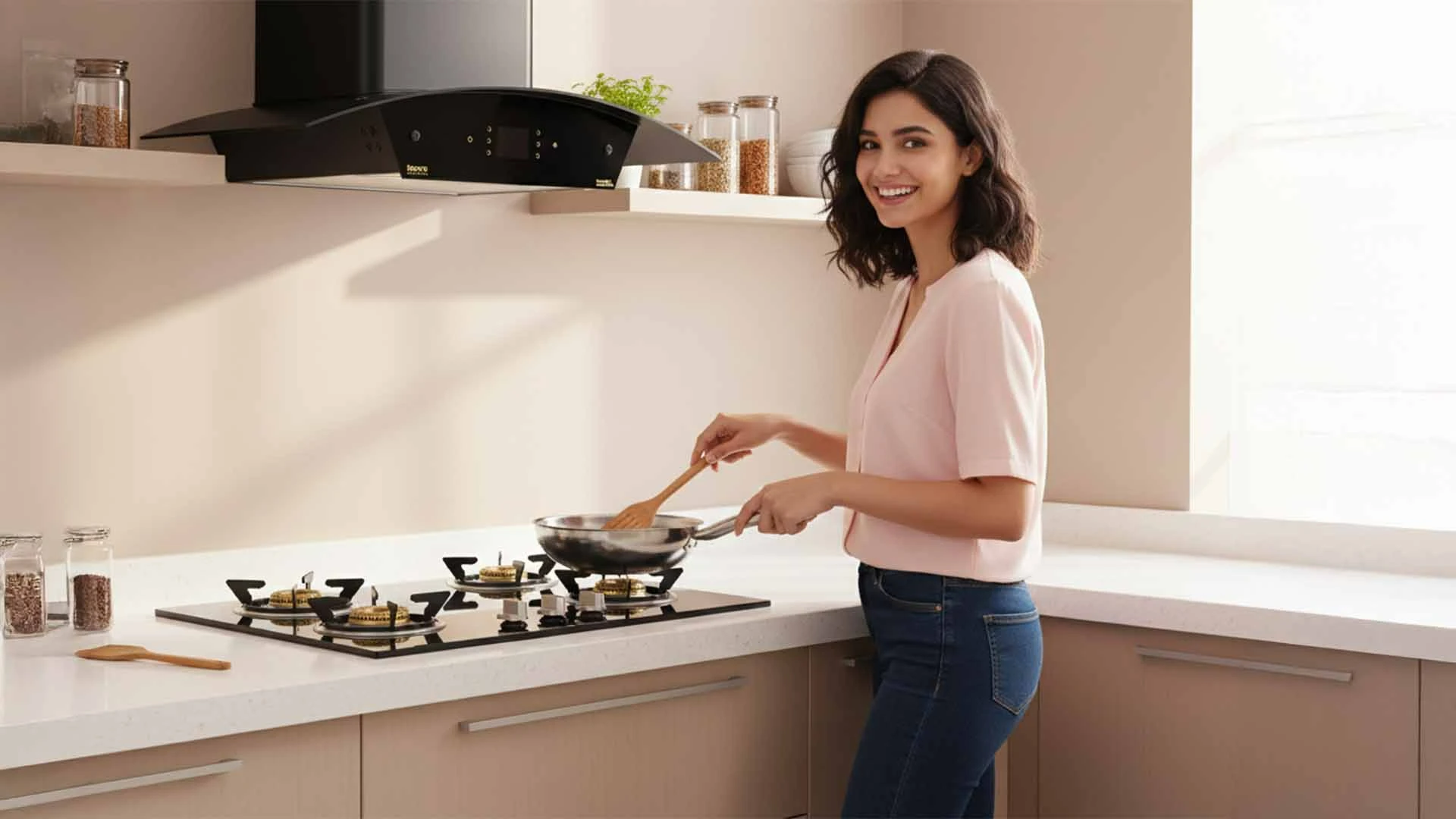
Modern kitchens demand smart solutions, and your hobtop is the heart of efficient cooking. Whether you're working with a compact space or a full-sized kitchen, understanding how to maximize hobtop efficiency tips can transform your cooking experience while reducing energy costs. Smart cooking isn't just about speed—it's about getting the best performance from your appliance while saving money and protecting the environment. From gas burners to induction surfaces, every hobtop type offers unique opportunities for optimization when you know the right techniques.
Hobtop efficiency refers to how effectively your cooking surface converts energy into heat for your food. Different hobtop types offer varying efficiency levels, with induction leading at 85-90% efficiency, gas following at 40-55%, and traditional electric at 65-70%. Understanding these basics helps you make informed decisions about cooking methods and energy consumption. The type of hobtop you choose significantly impacts your kitchen's overall energy performance. Energy efficient hobtop models feature advanced burner designs, precise temperature controls, and improved heat distribution systems. Modern gas hobtops include features like flame failure devices and automatic ignition systems that enhance both safety and efficiency.
Gas hobtops provide instant heat control and visual flame monitoring. Their efficiency depends on proper burner maintenance, correct flame adjustment, and optimal cookware selection. Blue flames indicate complete combustion and maximum efficiency, while yellow flames suggest incomplete burning and energy waste.
Induction surfaces heat cookware directly through electromagnetic fields, eliminating heat loss to surrounding air. This technology offers precise temperature control, faster heating times, and automatic shut-off features when cookware is removed. The surface remains relatively cool, reducing kitchen heat buildup.
Regular maintenance directly impacts your hobtop's efficiency and longevity. Clean burners transfer heat more effectively, while clogged gas ports or dirty electric elements waste energy and create uneven cooking temperatures. Establishing consistent cleaning routines ensures optimal performance year-round. Daily maintenance involves wiping surfaces after each use, checking for food debris around burners, and ensuring proper ventilation around the cooking area. Weekly deep cleaning includes removing burner caps, cleaning drip pans, and inspecting gas connections for any signs of wear or blockage.
Wipe down surfaces immediately after cooking while they're still warm but safe to touch. Remove spills quickly to prevent buildup that can block heat transfer. Check burner ports for food particles that might affect gas flow or create uneven flames.
Remove burner grates and caps for thorough cleaning with warm soapy water. Use a soft brush to clear gas ports of any debris. Clean drip pans and replace if damaged. Inspect electrical connections on electric hobtops for any signs of corrosion or loose connections.
Hobtop energy saving starts with understanding heat settings and timing. Using the right flame size or heat level for your cookware size can reduce energy consumption by up to 30%. Matching burner size to pan diameter ensures maximum heat transfer efficiency. Residual heat utilization extends cooking efficiency beyond active heating time. Turn off gas burners slightly before food finishes cooking, allowing residual heat to complete the process. Electric and induction surfaces retain heat longer, making this technique particularly effective for these hobtop types.
Start with high heat to bring food to temperature quickly, then reduce to maintain cooking. This approach uses less energy than maintaining high heat throughout cooking. Use medium heat for most cooking tasks, reserving high heat only for boiling water or searing.
Preheat pans for only 1-2 minutes before adding food. Use lids to trap heat and reduce cooking times by up to 25%. Plan cooking sequences to use residual heat from previous dishes, maximizing energy efficiency across multiple preparations.
Hobtop usage optimization depends heavily on cookware choices. Flat-bottomed pans with good heat conductivity transfer energy more efficiently than warped or thin-bottomed alternatives. Copper and aluminum bases provide excellent heat distribution, while stainless steel offers durability and even heating. Pan size matching prevents energy waste from flames or heating elements extending beyond cookware boundaries. A 6-inch pan on an 8-inch burner wastes approximately 40% of generated heat. Similarly, oversized pans on small burners create uneven heating and longer cooking times.
Choose heavy-bottomed pans that distribute heat evenly and retain temperature well. Avoid thin or warped cookware that creates hot spots and uneven cooking. For induction hobtops, ensure cookware has magnetic properties for proper heat generation.
Match pan diameter to burner size within one inch for optimal efficiency. Use smaller pans on smaller burners to avoid heat waste. Consider multi-level cooking with stackable steamers or double boilers to maximize burner utilization.
Compact kitchen cooking requires strategic planning and efficient workflows. Limited hobtop space demands careful timing and multi-tasking techniques. Sequential cooking methods allow you to prepare multiple dishes using minimal burners while maintaining efficiency. Modern kitchen efficiency incorporates smart cooking sequences that minimize energy use and maximize output. Batch cooking techniques prepare multiple meals simultaneously, reducing overall energy consumption per serving. Heat zone management ensures optimal use of available cooking surfaces.
Plan cooking sequences to use residual heat from previous dishes. Start with high-heat requirements like searing, then move to lower-heat tasks like simmering. Use one burner for multiple cooking stages by adjusting temperatures appropriately.
Use double boilers or steamer inserts to cook multiple items on single burners. Employ heat-retention cooking methods like thermal cooking to free up burner space. Consider one-pot meals that combine multiple cooking techniques efficiently.
Uneven heating often indicates maintenance needs or cookware issues. Gas burners with yellow flames require cleaning or adjustment, while electric elements showing hot spots may need replacement. Regular inspection prevents minor issues from becoming major efficiency problems. Flame adjustment problems typically stem from clogged gas ports or incorrect air mixture settings. Clean ports with fine wire or compressed air, ensuring proper gas flow. Electric hobtop efficiency problems often relate to cookware compatibility or element damage requiring professional attention.
Clean clogged ports with appropriate tools, avoiding damage to delicate components. Adjust air shutters if flames appear yellow or lift off burner surfaces. Check gas pressure if multiple burners show similar efficiency problems.
Test elements for even heating across entire surfaces. Replace damaged elements that show hot spots or fail to heat uniformly. Ensure proper electrical connections for consistent power delivery.
Induction hobtops offer the highest efficiency at 85-90%, followed by electric at 65-70%, and gas at 40-55%. However, efficiency also depends on cooking habits, maintenance, and cookware selection.
Use appropriately sized cookware, maintain clean burners, utilize lids during cooking, and turn off heat sources before food finishes cooking to use residual heat. These techniques can reduce energy use by 20-30%.
Clean surfaces after each use and perform deep cleaning weekly. Monthly professional maintenance ensures gas flow optimization and electrical connection integrity for sustained efficiency.
Yes, significantly. Flat-bottomed, appropriately sized pans with good heat conductivity can improve efficiency by up to 40% compared to warped or mismatched cookware.
Yellow gas flames, uneven heating, unusual noises, gas odors, or electrical elements that don't heat evenly indicate professional service needs. Address these issues promptly to maintain efficiency and safety.
Maximizing hobtop efficiency combines proper maintenance, smart cooking techniques, and appropriate equipment choices. Regular cleaning, correct heat settings, and suitable cookware selection can reduce energy consumption by 30% or more while improving cooking results. Whether you're working with gas, electric, or induction surfaces, these efficient cooking tips help you achieve better performance while reducing environmental impact and energy costs. Remember that small changes in cooking habits often yield significant efficiency improvements over time.
