

Hobtop Efficiency: Your Complete Guide to Savings
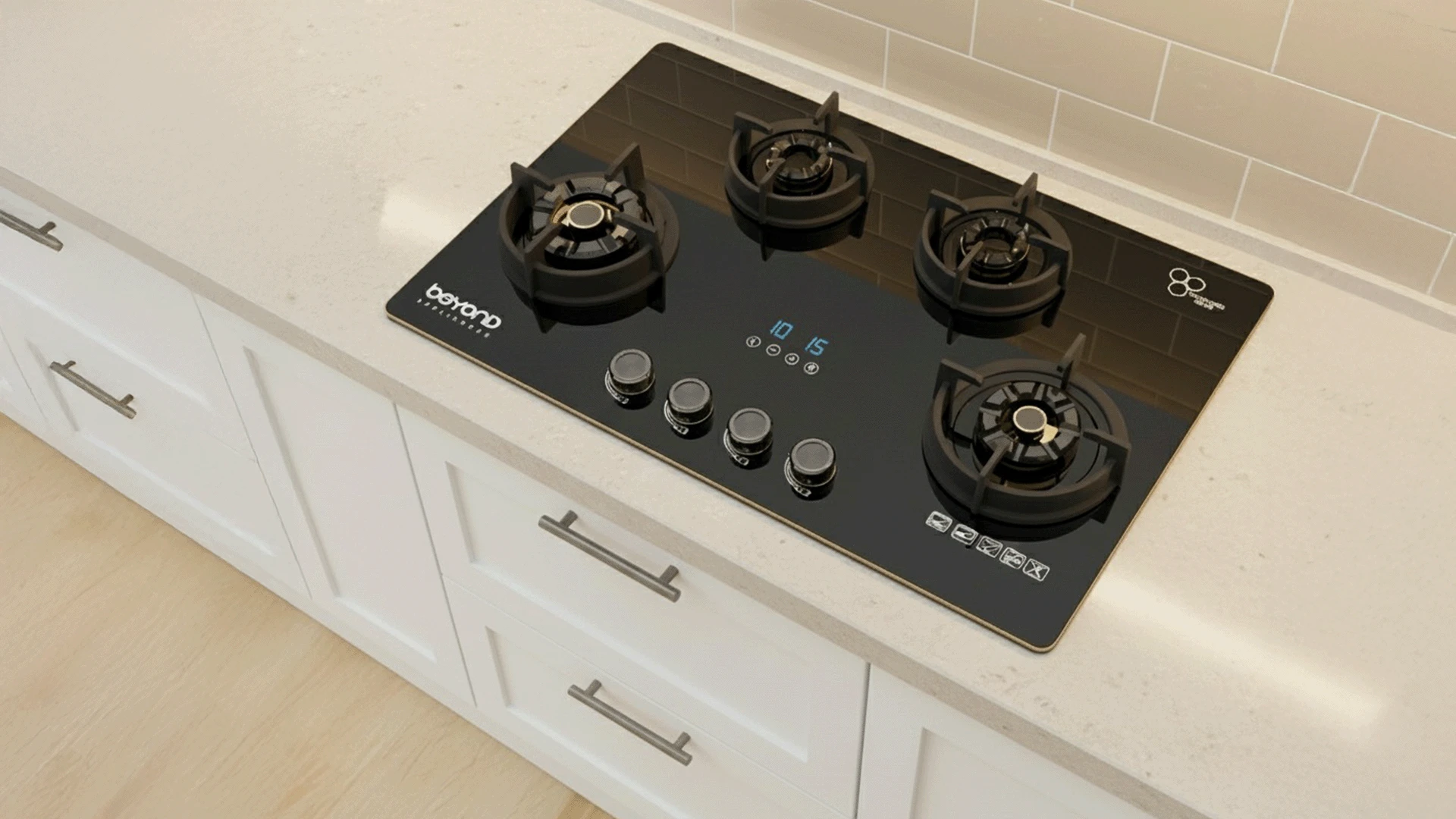
Modern kitchens demand smart solutions that balance performance with energy savings. Your hobtop is the heart of your cooking space, and improving hobtop efficiency can reduce your energy bills by up to 40% while delivering better cooking results. Whether you're using gas, induction, or electric models, the right techniques and maintenance practices make a significant difference. Smart features like timers, proper burner selection, and efficient cooking methods transform your daily cooking experience. Understanding how different hobtop technologies work helps you make informed decisions about usage patterns and energy consumption.
Hobtop efficiency measures how effectively your cooking appliance converts energy into heat for cooking. An energy efficient hobtop transfers more energy directly to your cookware, reducing waste and lowering costs. Gas hobtops typically achieve 40-55% efficiency, while induction models reach 85-90% efficiency rates. Hobtop power consumption varies significantly between technologies. Gas models consume fuel directly, with costs depending on LPG or PNG rates. Induction hobtops use electricity but transfer heat more efficiently, often resulting in lower overall energy costs. Electric ceramic hobtops fall between these options, offering moderate efficiency with consistent heat distribution. Energy ratings help you compare different models. Look for star ratings and energy consumption figures when selecting new appliances. A highly efficient hobtop saves INR 2,000-5,000 annually on energy bills for average households. These savings compound over the appliance's lifespan, making efficiency a smart investment.
Efficient cooking practices reduce monthly energy expenses significantly. Proper heat management, cookware selection, and maintenance routines maximize your hobtop's performance. Smart usage habits like batch cooking and residual heat utilization further enhance savings.
Efficient hobtops reduce carbon footprints by consuming less energy. Lower fuel consumption means fewer emissions, contributing to environmental conservation. Modern designs incorporate eco-friendly features that support sustainable cooking practices.
Induction hobtop efficiency leads the market due to electromagnetic heating technology. These units heat cookware directly, eliminating energy loss through heat transfer to surrounding air. The magnetic field creates heat within compatible cookware, achieving rapid temperature changes and precise control. Induction technology requires ferromagnetic cookware for optimal performance. Stainless steel, cast iron, and magnetic-bottom pans work best. Aluminum and copper cookware need magnetic bases to function properly. This compatibility requirement ensures maximum energy transfer and cooking efficiency. Power consumption analysis shows induction hobtops use 10-15% less energy than gas alternatives for equivalent cooking tasks. The precise temperature control reduces cooking times, further enhancing efficiency. Compact hobtop induction models fit modern kitchen designs while maintaining full functionality.
Electromagnetic fields generate heat directly in cookware bottoms. This direct heating eliminates intermediate heat transfer steps, reducing energy waste. Temperature responds instantly to control adjustments, providing superior cooking precision.
Modern induction hobtops include timer functions, power boost modes, and automatic shut-off features. These smart controls optimize energy usage and prevent overcooking. Some models offer bridge functions for large cookware, maximizing cooking flexibility.
Gas hobtop efficiency depends on proper burner selection, flame adjustment, and cookware matching. The Hobtop Altair features Full Brass Burners that save more gas through improved combustion efficiency. These durable burners provide consistent heat distribution and longer service life. Burner-to-pan size ratios significantly impact efficiency. Match cookware diameter to burner size for optimal heat transfer. Oversized pans on small burners waste energy, while undersized pans on large burners create heat loss. The Jumbo Burner accommodates large cookware for cooking larger quantities efficiently. Flame color indicates combustion efficiency. Blue flames burn hottest and most efficiently, while yellow or orange flames suggest incomplete combustion. Regular burner maintenance ensures proper air-to-fuel ratios. The Flame Failure Device provides safety by cutting gas supply if flames extinguish unexpectedly.
The Smart Timer automatically turns off gas and flame when cooking time completes, preventing overcooking and energy waste. Auto Ignition eliminates manual lighting, providing convenient and safe operation. These features enhance both efficiency and user experience.
The Dum flame setting enables slow-cooking dishes like biryani with minimal gas consumption. This low-heat mode maintains consistent temperatures for extended cooking periods. Proper flame adjustment techniques maximize fuel efficiency across different cooking requirements.
Hobtop efficiency tips focus on cookware selection, heat management, and smart cooking techniques. Choose flat-bottomed pans that make complete contact with heating surfaces. Warped or uneven cookware creates air gaps that reduce heat transfer efficiency. Cookware material affects heating performance significantly. Stainless steel with aluminum or copper cores provides excellent heat distribution. Cast iron retains heat well for slow cooking. Avoid thin aluminum pans that heat unevenly and waste energy. Efficient cooking methods include proper preheating, lid usage, and temperature control. Preheat pans only when necessary, and use residual heat for finishing dishes. Lids trap heat and moisture, reducing cooking times by 25-30%. The Vessel Collision-Free Design allows simultaneous use of all burners without cookware interference.
Start cooking on high heat, then reduce to maintain desired temperatures. This approach minimizes energy consumption while achieving proper cooking results. Use appropriate burner sizes for different cooking tasks to optimize hobtop energy saving.
Prepare multiple dishes simultaneously to maximize energy efficiency. Cook larger quantities and store portions for later use. This approach reduces overall cooking time and energy consumption throughout the week.
Hobtop maintenance ensures consistent efficiency and extends appliance lifespan. Daily cleaning prevents buildup that reduces heat transfer. The 100% Spill Proof design with spill tray prevents spillages from seeping into the hob, making maintenance easier. Clean burner ports regularly to maintain proper gas flow and combustion efficiency. Blocked ports create uneven flames and reduce heating performance. Use soft brushes and mild detergents to remove grease and food particles. The 8mm Toughened Glass surface handles high heat and resists scratches, requiring only gentle cleaning. Cast Iron Supports keep cookware steady and prevent wobbling that can reduce heat transfer efficiency. Clean these supports regularly and check for proper alignment. Replace damaged supports to maintain optimal cookware contact with heating elements.
Perform thorough cleaning weekly to remove accumulated grease and debris. Disassemble removable parts according to manufacturer instructions. Soak burner components in warm, soapy water to dissolve stubborn residues.
Watch for signs of reduced efficiency like longer cooking times or uneven heating. Address issues promptly to prevent further deterioration. Regular maintenance prevents minor problems from becoming major repairs.
Modern hobtop design incorporates advanced features that boost cooking efficiency and user convenience. Smart controls provide precise temperature management and timing functions. The Convertible design allows installation as built-in or freestanding tabletop units, adapting to different kitchen layouts. Safety features like automatic shut-off and child locks prevent energy waste from forgotten burners. Overheat protection systems maintain optimal operating temperatures. These features enhance both safety and efficiency during daily cooking activities. Compact hobtop models maximize functionality in smaller spaces without compromising performance. Efficient space utilization allows proper ventilation and heat dissipation. The sleek and spacious design with premium golden color edges adds aesthetic appeal to modern kitchens.
Built-in models integrate seamlessly with kitchen countertops, improving workflow efficiency. Portable options provide flexibility for different cooking locations. Both configurations maintain high efficiency standards while offering installation versatility.
LPG & PNG compatible designs provide fuel flexibility based on availability and cost considerations. This compatibility ensures optimal performance regardless of gas supply type, maintaining efficiency across different fuel options.
Match cookware size to burner diameter for optimal heat transfer. Clean burner ports regularly to maintain proper gas flow. Use flat-bottomed pans and adjust flames to blue color for complete combustion. The Hobtop Altair's Full Brass Burners provide enhanced efficiency through improved design and materials.
Induction hobtops achieve 85-90% efficiency compared to 40-55% for gas models. However, gas hobtops with advanced features like the Smart Timer and Dum flame settings can significantly improve efficiency. Consider your cooking habits, energy costs, and cookware compatibility when choosing.
Clean surfaces daily and perform deep cleaning weekly. Check burner ports for blockages and ensure proper flame color. Use appropriate cookware sizes and maintain steady contact with heating surfaces. The 8mm Toughened Glass surface requires only gentle cleaning to maintain efficiency.
Proper air-to-fuel ratios, clean burner ports, and adequate ventilation ensure complete combustion. The Flame Failure Device prevents gas waste by cutting supply when flames extinguish. Regular maintenance and proper flame adjustment maximize combustion efficiency.
Efficient hobtops can reduce energy costs by 30-40% through proper usage and maintenance. Smart features like timers and automatic shut-off prevent energy waste. Annual savings range from INR 2,000-5,000 for average households, depending on usage patterns and local energy costs.
Improving hobtop efficiency requires understanding your appliance's technology and implementing smart cooking practices. Whether using gas or induction models, proper maintenance, cookware selection, and heat management significantly impact performance and costs. Modern features like smart timers, safety devices, and efficient burner designs enhance both convenience and energy savings. Regular cleaning and proper usage techniques ensure optimal performance throughout your hobtop's lifespan. The combination of advanced technology and smart cooking habits creates an efficient, cost-effective cooking experience that benefits both your budget and the environment.
