

Hobtop Cooking: Essential Techniques Explained
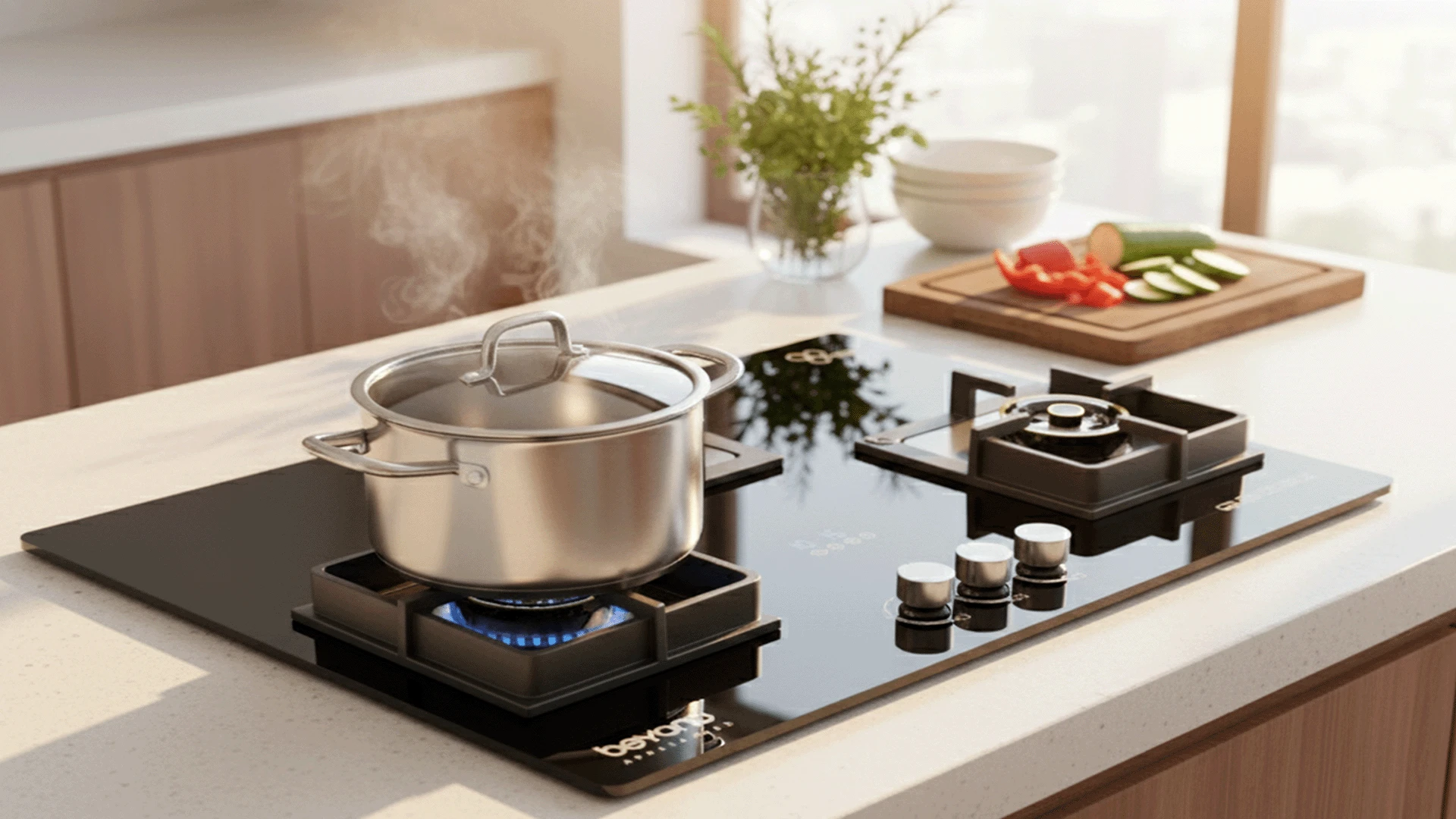
Hobtop cooking has revolutionized modern kitchens by offering precise temperature control, energy efficiency, and sleek design. Whether you're working with an induction cooktop, electric glass top, or gas hobtop, mastering the right techniques can transform your culinary experience. These compact cooking surfaces are perfect for small spaces while delivering professional-level results. Understanding proper hobtop cooking techniques helps you create delicious meals while maximizing your kitchen's potential.
Hobtop cooking represents a significant advancement in kitchen technology, combining efficiency with modern design. These cooking surfaces use direct heat transfer methods that provide superior control compared to traditional cooking methods.
Modern hobtops use electromagnetic fields or electric heating elements to generate heat directly in your cookware. This direct transfer method eliminates energy waste and provides instant temperature adjustments. Gas hobtops offer immediate visual feedback through flame control, while electric and induction models provide precise digital temperature settings.
Hobtop cooking offers several benefits that make it ideal for contemporary homes. The flat surface design maximizes counter space and creates a seamless kitchen appearance. Energy efficiency ratings are typically 20-30% higher than traditional cooktops, helping reduce utility costs. Safety features include automatic shut-off, child locks, and residual heat indicators that protect your family.
Mastering hobtop cooking techniques requires understanding heat control, cookware selection, and timing. These fundamental skills form the foundation for successful cooking on any hobtop surface.
Effective cooktop temperature control starts with understanding your hobtop's power levels. Most units offer 9-15 heat settings, each designed for specific cooking methods. Low settings (1-3) work best for simmering sauces and melting chocolate. Medium settings (4-6) handle most sautéing and general cooking tasks. High settings (7-9) provide rapid boiling and searing capabilities.
Cooking on glass top surfaces requires flat-bottom cookware for maximum heat transfer. Warped or rounded bottoms create hot spots and reduce efficiency. For induction cooking methods, use magnetic cookware materials like cast iron, carbon steel, or magnetic stainless steel. Cookware size should match burner size within one inch for best results.
Induction cooking methods offer the most precise temperature control available in home kitchens. These techniques leverage electromagnetic technology to provide instant heat adjustments and superior cooking performance.
Induction hobtops excel at maintaining exact temperatures for delicate cooking tasks. Use the boost function for rapid heating, then reduce to precise temperatures for sauce making or candy preparation. The instant response allows for professional-level techniques like temperature stepping, where you gradually increase heat in controlled increments.
Advanced induction cooking methods include power cycling for even heat distribution and pulse cooking for gentle warming. These techniques prevent scorching while maintaining consistent results. The precise control makes induction ideal for tempering chocolate, making custards, and preparing temperature-sensitive sauces.
Successful hobtop cooking relies on adapting traditional cooking methods to modern technology. Understanding how different techniques work on hobtop surfaces ensures consistent, delicious results.
Boiling and simmering on hobtops requires proper heat management to maintain consistent temperatures. Start with high heat to reach boiling point, then reduce to maintain gentle bubbling. For steaming, use medium-low heat with tight-fitting lids to create proper steam circulation. Poaching works best at low temperatures with minimal surface movement.
Sautéing and stir-frying benefit from hobtop's instant heat response. Preheat pans properly before adding oil to prevent sticking. Searing requires high initial heat followed by temperature reduction for even cooking. The precise control allows for perfect browning without burning, creating restaurant-quality results at home.
Compact kitchen cooking and small space cooking techniques maximize limited hobtop capacity. These strategies help you prepare complete meals efficiently using minimal equipment and space.
Portable hobtop cooking requires careful planning and sequential preparation. Cook components in order of required temperature, starting with items needing highest heat. Use residual heat for warming or gentle cooking tasks. Keep cooked items warm using low settings while preparing remaining components.
One-pan techniques reduce cleanup while maximizing hobtop efficiency. Layer cooking allows multiple items in single pans using different cooking times. Vertical cooking with steamer inserts doubles capacity without additional burners. These compact kitchen cooking methods work perfectly for studio apartments or small homes.
Hobtop recipes showcase the versatility and precision these cooking surfaces provide. From quick weeknight meals to elaborate dinner preparations, proper techniques ensure success.
Fifteen-minute hobtop meals rely on high-heat techniques and proper preparation. Stir-fries cook quickly using maximum heat settings with constant movement. One-pot pasta dishes use controlled boiling followed by absorption cooking. These techniques maximize flavor while minimizing cooking time.
Complex sauce preparation benefits from precise temperature control available with modern hobtops. Hollandaise, béarnaise, and other emulsion sauces require exact heat management. Slow-cooking adaptations use low, consistent temperatures for braising and stewing. The precision available makes professional techniques accessible to home cooks.
Flat-bottom cookware with magnetic properties works best for induction hobtops. Stainless steel, cast iron, and carbon steel provide excellent heat transfer. Avoid warped or rounded bottoms that create uneven heating. Cookware should match burner size for optimal energy efficiency.
Start with appropriate heat levels for your cooking method, then adjust as needed. Use boost functions for rapid heating, then reduce to cooking temperature. Monitor food closely during initial cooking to understand your hobtop's response patterns. Practice with different settings to develop intuitive temperature control.
Sautéing, stir-frying, and simmering work exceptionally well on hobtops. The precise temperature control excels at sauce making and delicate cooking tasks. Boiling and rapid heating benefit from instant heat response. Avoid cooking methods requiring open flames or extremely high temperatures.
Hobtops provide more precise temperature control and faster heat response than traditional gas or electric coil burners. Energy efficiency is typically 20-30% higher due to direct heat transfer. The flat surface design offers easier cleaning and more counter space. Safety features include automatic shut-off and residual heat indicators.
Start with simple sautéing and boiling techniques to understand heat response. Practice temperature adjustments with familiar recipes before attempting complex dishes. Use medium heat settings initially, then adjust based on results. Focus on proper cookware selection and preheating techniques for consistent success.
Mastering hobtop cooking techniques opens up new possibilities for efficient, precise cooking in modern kitchens. Whether you're working with induction, electric, or gas hobtops, understanding proper temperature control and cookware selection ensures excellent results. These compact cooking solutions work perfectly for small spaces while delivering professional-level performance. Practice these fundamental techniques to maximize your hobtop's potential and create delicious meals with confidence.
