

Hob Top Materials: Safety Comparison Guide
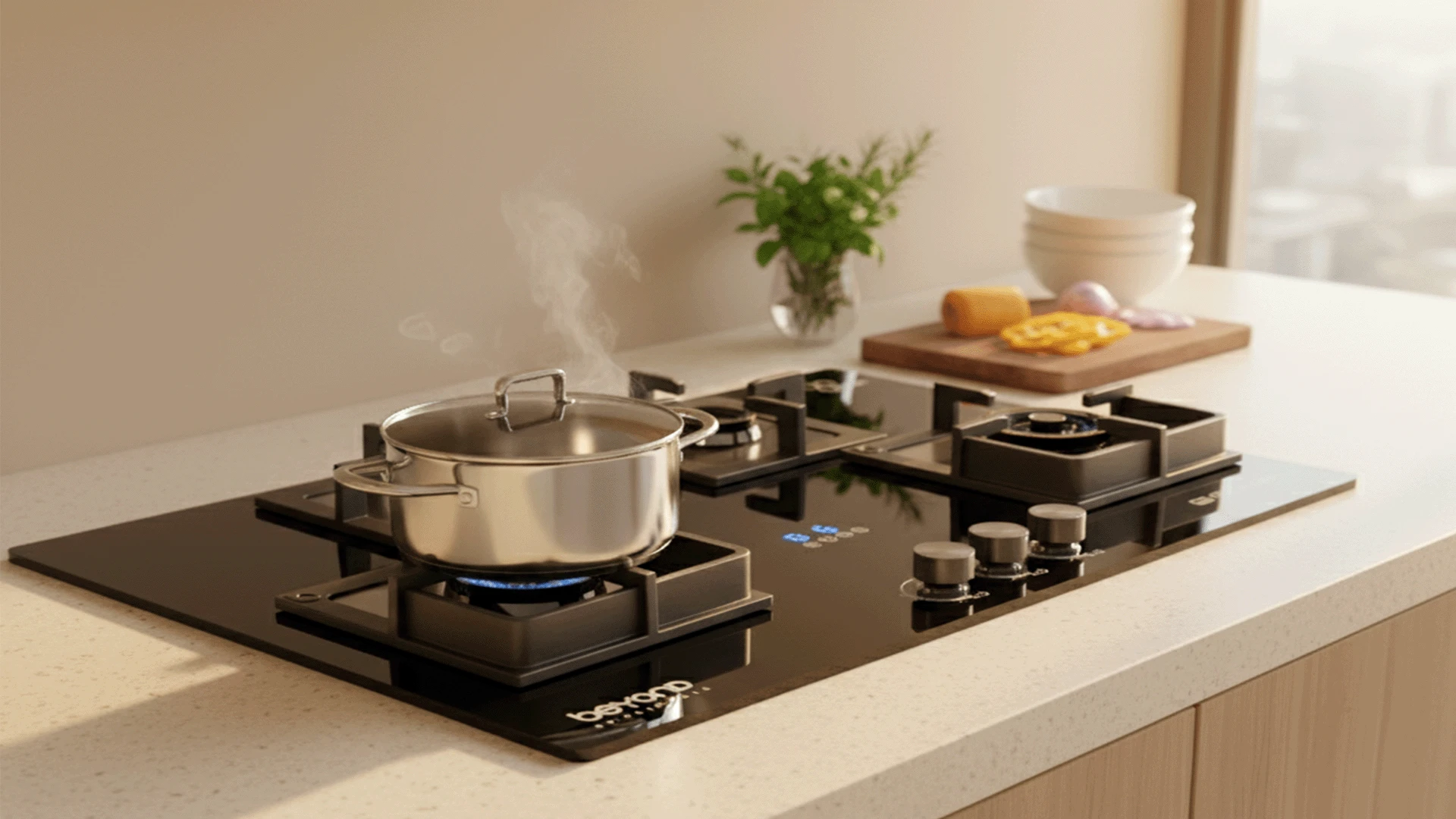
Kitchen safety starts with smart choices, and your hob top material plays a crucial role in protecting your family. With burn injuries accounting for thousands of kitchen accidents annually, understanding the safety features of different cooktop materials becomes essential. When comparing hob top materials for safety, you need to consider heat retention, surface temperature control, and built-in protection features. Modern kitchens offer various options including induction, ceramic, and gas hobs, each with distinct safety profiles. This comprehensive guide examines how different materials perform in real-world safety scenarios, helping you make an informed decision for your kitchen.
The material of your hob top directly impacts kitchen safety through several key factors. Heat distribution affects how evenly temperatures spread across the cooking surface, while heat retention determines how long surfaces stay hot after cooking. Surface temperature control varies significantly between materials, with some offering precise regulation and others requiring more careful monitoring. Accident prevention features built into different materials can mean the difference between a minor incident and a serious injury. Hob top safety depends on factors like automatic shut-off systems, residual heat indicators, and child safety locks. Maintenance requirements also affect long-term safety, as some materials need more frequent cleaning or professional servicing to maintain optimal safety standards. Common safety risks vary by material type. Burns and scalding incidents occur most frequently with materials that retain high temperatures. Fire hazards increase with certain fuel types and surface materials. Some materials may pose chemical exposure risks during cleaning or if damaged. Understanding these risks helps you choose the safest option for your household.
Induction technology represents the pinnacle of cooktop material safety through electromagnetic heating that only activates compatible cookware. The cooktop surface remains relatively cool during cooking, dramatically reducing burn risks. This technology offers precise temperature control and instant response to adjustments, preventing overheating accidents.
Induction hobs include automatic shut-off when cookware is removed, eliminating the risk of leaving heat sources unattended. Child safety locks prevent accidental activation, while pan detection ensures the hob only operates with proper cookware. Many models feature timer functions and power level indicators for enhanced safety monitoring.
The cool-touch surface significantly reduces accidental burns, especially important for families with children. Energy efficiency means less ambient heat in the kitchen, improving overall comfort and safety. Spill containment is easier since liquids don't burn onto the surface immediately. The smooth glass surface eliminates gas leak concerns entirely.
While generally safer, induction hobs require compatible cookware with magnetic bases. The glass surface can crack under extreme impact, though this rarely poses immediate safety risks. Some users with pacemakers should consult medical professionals before use, though modern units meet strict electromagnetic emission standards.
Ceramic cooktops offer excellent ceramic hob safety features through smooth surfaces that eliminate gas-related risks while providing visual cooking control. The flat surface makes cleaning easier, reducing bacteria buildup and maintaining kitchen hygiene. Even heat distribution helps prevent hot spots that could cause cookware damage or food burning. Residual heat indicators warn users when surfaces remain hot after cooking, preventing accidental contact burns. The smooth surface eliminates crevices where spills can accumulate and create safety hazards. Modern ceramic hobs include multiple safety zones with independent controls for enhanced cooking safety.
Ceramic surfaces can crack under extreme temperature changes or heavy impact, though quality units resist normal cooking stresses. High temperature retention means surfaces stay hot longer after cooking, requiring careful attention to residual heat warnings. Heavy cookware should be handled carefully to prevent surface damage.
Use flat-bottomed cookware for optimal heat transfer and surface protection. Clean spills immediately to prevent burning and staining. Allow adequate cooling time before cleaning, and never use cold water on hot surfaces. Regular inspection for cracks or damage ensures continued safe operation.
Gas hob safety has evolved significantly with modern safety mechanisms that address traditional concerns. Flame failure devices automatically shut off gas supply if flames extinguish unexpectedly, preventing gas accumulation. Thermocouple protection ensures gas flow stops immediately when pilot lights fail. Automatic ignition systems eliminate the need for matches or lighters, reducing fire risks. Proper ventilation requirements ensure safe combustion and prevent carbon monoxide buildup. Quality gas hobs include safety valves and pressure regulators for consistent, safe operation.
Gas leak prevention requires regular inspection of connections and hoses. Carbon monoxide detectors provide additional safety monitoring in kitchens with gas appliances. Open flame awareness becomes crucial, especially around flammable materials or loose clothing. Professional installation ensures proper gas line connections and ventilation.
Regular cleaning of burner ports prevents blockages that could affect flame patterns. Annual professional inspections verify gas line integrity and safety device function. Immediate attention to gas odors or irregular flame patterns prevents potential hazards. Keep emergency contact information readily available for gas-related concerns.
When comparing safe cooktop materials, induction hobs consistently rank highest for overall safety due to cool surfaces and precise control. Ceramic hobs offer good safety with proper use, while gas hobs require more attention but provide excellent cooking control. Each material suits different household needs and safety priorities. Safety performance varies by household type. Families with children benefit most from induction's cool surfaces and automatic shut-off features. Elderly users appreciate ceramic's visual flame control and stable surfaces. Professional cooking environments often prefer gas for precise heat control despite requiring more safety awareness.
Smart technology integration allows remote monitoring and control of cooking surfaces. App-controlled safety features include timer alerts and automatic shut-off scheduling. Advanced sensor systems detect unusual heat patterns or gas irregularities. Emergency response capabilities can alert users to potential safety issues immediately.
Assessing your household's safety priorities helps determine the best hob material comparison for your needs. Consider cooking habits, family composition, and kitchen layout when evaluating safety requirements. Budget considerations should balance initial costs with long-term safety benefits and maintenance requirements. Professional installation ensures optimal safety regardless of chosen material. Safety certification standards verify that units meet current safety requirements. Local building codes may specify particular safety features or installation requirements. Warranty coverage should include safety-related components and professional service options.
Emerging safety technologies continue improving cooktop safety across all materials. Consider upgrade potential when investing in new hobs. Plan maintenance schedules to ensure continued safe operation throughout the appliance's lifespan. Stay informed about safety recalls or updates for your chosen hob type.
Induction hobs offer the highest safety for families with children due to cool-touch surfaces, automatic shut-off features, and child safety locks. The electromagnetic heating only activates with compatible cookware, preventing accidental burns from hot surfaces.
Induction hobs provide superior burn prevention with cool surfaces during cooking. Ceramic hobs offer moderate protection with residual heat indicators. Gas hobs require most caution due to open flames and hot grates, though modern safety features help minimize risks.
Prioritize automatic shut-off systems, residual heat indicators, child safety locks, and flame failure devices for gas units. Look for precise temperature controls, timer functions, and easy-to-clean surfaces that maintain hygiene standards.
Yes, induction hobs consistently demonstrate superior safety through cool surfaces, instant heat control, and automatic safety features. While gas and ceramic hobs can be used safely with proper precautions, induction technology inherently reduces common kitchen safety risks.
Quality ceramic hobs resist cracking under normal cooking conditions. While thermal shock from extreme temperature changes can cause cracks, proper use and gradual heating prevent most damage. Cracked surfaces should be replaced promptly for continued safety.
Gas hobs require annual professional inspections for safety device function and gas line integrity. Induction and ceramic hobs need less frequent professional service but benefit from regular cleaning and visual inspections for damage or wear.
Choosing the right hob material significantly impacts your kitchen's safety profile. Induction technology offers the highest safety standards through cool surfaces and advanced control features. Ceramic hobs provide good safety with proper maintenance and awareness of residual heat. Gas hobs remain safe options when equipped with modern safety devices and proper ventilation. Consider your household's specific needs, cooking habits, and safety priorities when making this important kitchen decision. Regular maintenance and proper use ensure optimal safety regardless of your chosen material.
