

Hob Flame Failure vs Flame Sensor: Safety Guide
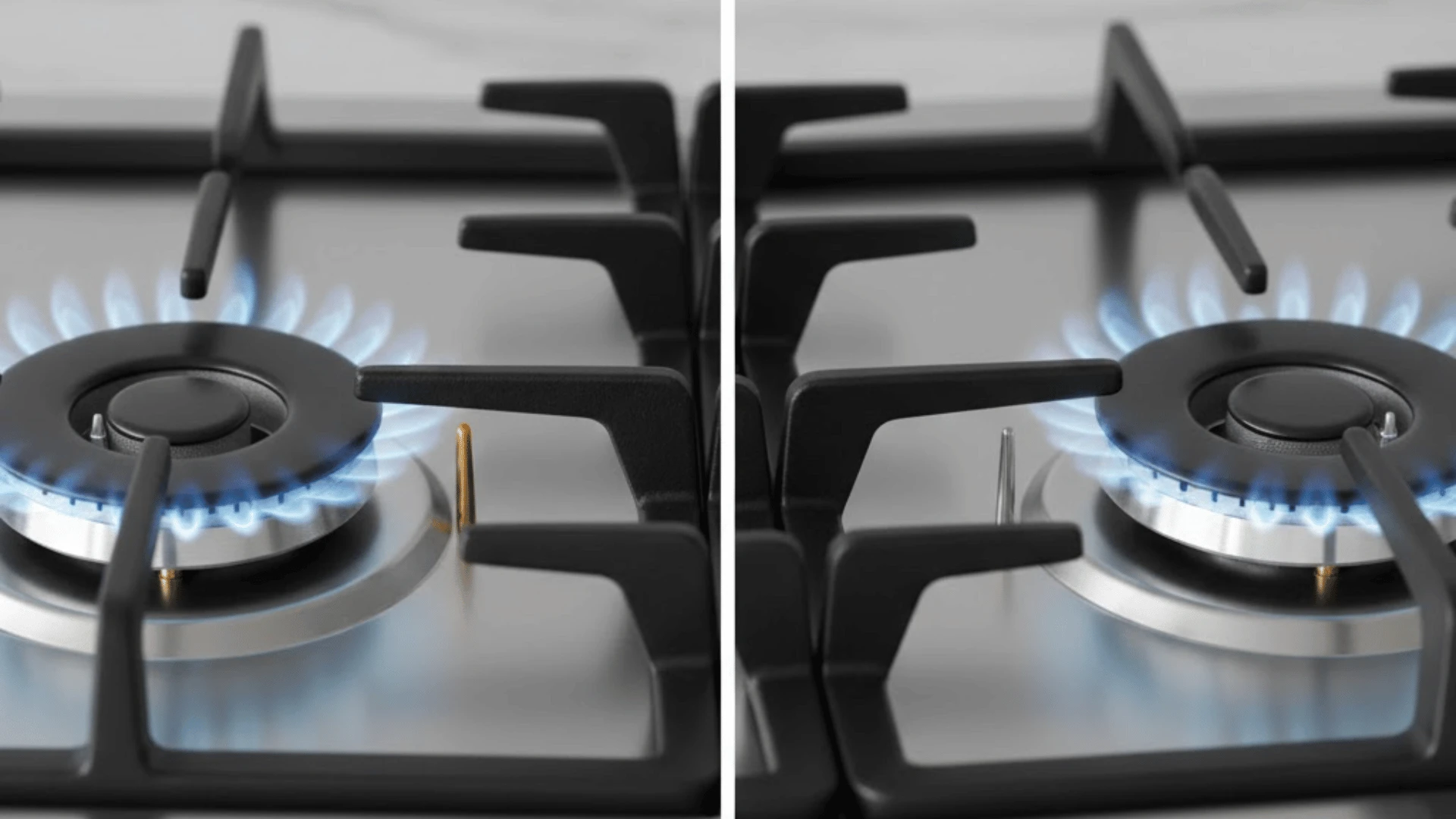
Gas hobs are essential appliances in modern kitchens, but their safety depends on sophisticated detection systems that prevent dangerous gas leaks. Two critical safety components often confuse homeowners: flame failure devices and flame sensors. While both serve similar protective functions, they operate through different mechanisms and offer varying levels of safety protection. Understanding the hob flame failure vs flame sensor device difference helps you make informed decisions about gas appliance safety, troubleshooting issues, and choosing the right system for your kitchen needs.
Both flame failure devices and flame sensors serve as critical safety mechanisms in gas hobs, automatically shutting off gas supply when flames are extinguished unexpectedly. These systems prevent dangerous gas accumulation that could lead to explosions or carbon monoxide poisoning. Modern gas appliances integrate these safety features as standard equipment, but their underlying technologies differ significantly.
A flame failure device is a thermal safety mechanism that detects flame presence through heat generation. When a flame burns properly, it generates consistent heat that keeps the safety valve open. If the flame goes out due to wind, spillage, or gas supply issues, the device immediately cuts off gas flow to prevent leaks. Most flame failure devices use thermocouple technology, which generates a small electrical current when heated by the flame. This current keeps an electromagnetic valve open, allowing gas to flow. When the flame disappears, the thermocouple cools down, the electrical current stops, and the valve closes automatically.
Flame sensors represent more advanced detection technology that can identify flame characteristics beyond just heat presence. These electronic devices detect specific flame properties like ultraviolet radiation, infrared emissions, or ionization levels produced by burning gas. Unlike simple thermal detection, flame sensors can distinguish between actual gas flames and other heat sources. This precision reduces false alarms while providing faster response times. Modern flame sensors integrate with electronic control systems, offering enhanced safety features and diagnostic capabilities.
The fundamental distinction lies in their detection methods and technological sophistication. Understanding these differences helps homeowners choose appropriate safety systems and troubleshoot problems effectively.
Flame failure devices rely purely on thermal detection, measuring heat output to determine flame presence. They respond relatively slowly, taking 30-60 seconds to shut off gas after flame extinction. However, this thermal method proves extremely reliable and rarely produces false readings. Flame sensors use electronic detection methods that respond within seconds of flame loss. They can detect flame quality, not just presence, identifying weak or unstable flames that might pose safety risks. Electronic sensors require electrical power but offer superior precision and faster response times.
Traditional flame failure devices integrate directly into gas valve assemblies, requiring minimal wiring or electronic components. Their simple mechanical design makes them compatible with most gas hob models and easy to replace when necessary. Flame sensors require electrical connections and often integrate with electronic control boards. They may need specific positioning for optimal flame detection and typically require professional installation to ensure proper calibration and safety compliance.
Flame failure devices cost significantly less than electronic flame sensors, typically ranging from INR 500 to INR 2,000 for replacement parts. Their simple design ensures wide availability and straightforward replacement procedures. Electronic flame sensors cost between INR 2,000 to INR 8,000, depending on sophistication and features. While more expensive initially, they often provide longer service life and enhanced safety capabilities that justify the investment.
Gas hob safety systems create multiple layers of protection, combining flame detection with gas valve controls and emergency shut-off mechanisms. Understanding this complete safety chain helps homeowners appreciate the importance of proper maintenance and timely repairs.
Gas appliance safety begins with proper ignition systems that ensure reliable flame lighting. Once lit, flame detection systems continuously monitor flame presence and quality. If problems arise, safety valves immediately stop gas flow while preventing dangerous accumulation. Modern gas hobs incorporate multiple safety features including automatic re-ignition, flame stability monitoring, and emergency shut-off controls. These integrated systems work together to prevent accidents while maintaining convenient operation for daily cooking needs.
Thermocouples represent the most common flame failure device technology, using the thermoelectric effect to generate electrical current from heat differences. When a flame heats the thermocouple junction, it produces voltage that energizes an electromagnetic safety valve. This elegant system requires no external power source and operates reliably for years with minimal maintenance. However, thermocouples can fail due to corrosion, physical damage, or electrical connection problems that prevent proper voltage generation.
Understanding common safety system problems helps homeowners identify issues early and determine when professional repair services are necessary. Regular troubleshooting prevents minor problems from becoming major safety hazards.
The most common symptom of faulty flame failure devices is flames that won't stay lit after releasing the control knob. This indicates the safety system is shutting off gas flow, either due to device malfunction or improper flame detection. Intermittent gas supply issues often result from partially failed thermocouples that generate insufficient voltage to keep safety valves open consistently. Dirty or corroded thermocouple connections can also cause similar problems requiring cleaning or replacement.
Electronic flame sensors may produce false readings due to contamination, electrical interference, or calibration drift. Symptoms include erratic ignition behavior, unexpected gas shut-offs, or failure to detect properly burning flames. Cleaning flame sensor elements with appropriate solvents often resolves detection problems. However, electronic components may require professional diagnosis and replacement when internal circuits fail or become damaged.
Unusual flame colors, particularly yellow or orange flames instead of blue, indicate incomplete combustion that could produce dangerous carbon monoxide. Any gas odors around the hob suggest potential leaks requiring immediate attention. Inconsistent ignition behavior, flames that blow out easily, or difficulty maintaining stable flames often indicate safety system problems. These symptoms warrant professional inspection to ensure continued safe operation.
Different flame sensor technologies offer varying advantages depending on application requirements and safety priorities. Understanding these options helps homeowners choose appropriate systems for their specific needs.
Thermocouple systems provide reliable, low-cost flame detection suitable for most residential gas hobs. Their simple operation requires no electrical power and offers excellent long-term reliability with minimal maintenance requirements. However, thermocouples respond relatively slowly to flame changes and cannot detect flame quality issues that might affect combustion efficiency or safety. They work best in stable environments with consistent gas pressure and minimal air currents.
Ultraviolet and infrared flame sensors detect specific radiation wavelengths produced by gas flames, offering superior accuracy and faster response times. These systems can distinguish between actual flames and other heat sources, reducing false alarms. Ionization flame detection measures electrical conductivity changes in flame zones, providing extremely sensitive flame monitoring. These advanced systems integrate well with electronic control systems but require stable electrical power and regular calibration.
Some modern gas hobs combine multiple detection methods for enhanced reliability and safety. Hybrid systems might use thermocouples for basic flame detection while adding electronic sensors for advanced monitoring and diagnostics. These comprehensive safety systems represent the future of gas appliance safety, offering redundant protection and intelligent monitoring capabilities that prevent accidents while optimizing performance.
Proper maintenance extends safety system life while ensuring reliable operation. Understanding basic maintenance procedures helps homeowners keep their gas hobs operating safely between professional service visits.
Regular visual inspections should check for physical damage, corrosion, or debris around flame detection components. Test flame failure devices by lighting burners and ensuring flames stay lit after releasing control knobs. Basic troubleshooting includes cleaning thermocouple elements with fine sandpaper or appropriate solvents to remove corrosion or contamination. However, always follow manufacturer guidelines and safety precautions when performing any maintenance procedures.
Call qualified gas engineers when safety systems fail repeatedly, gas odors persist, or flames exhibit unusual colors or behavior. Professional diagnosis ensures proper repair and safety compliance with local regulations. Warranty considerations often require professional service to maintain coverage. Emergency repair situations involving gas leaks or complete safety system failure need immediate professional attention to prevent dangerous conditions.
Annual professional inspections ensure safety systems operate correctly and identify potential problems before they become hazardous. Regular cleaning procedures remove grease and debris that could interfere with flame detection. Component replacement timelines vary by usage and environmental conditions, but thermocouples typically last 5-10 years while electronic sensors may require replacement every 3-7 years depending on quality and maintenance.
Flame failure devices use thermal detection through thermocouples, while flame sensors use electronic detection methods like UV, infrared, or ionization. Flame sensors respond faster and offer more precise detection but cost more than traditional thermal systems.
Thermocouple-based flame failure devices usually last 5-10 years with proper maintenance. Electronic flame sensors may need replacement every 3-7 years depending on usage and environmental conditions.
Upgrading requires compatibility with your gas hob's control system. Traditional mechanical hobs may need significant modifications to accommodate electronic flame sensors, while modern hobs often support both technologies.
This usually indicates a faulty flame failure device or thermocouple that's not generating sufficient voltage to keep the safety valve open. Cleaning or replacing the thermocouple often resolves this issue.
Electronic sensors offer faster response times and more precise detection but require electrical power and may be affected by electrical interference. Thermocouples are simpler and more robust but respond slower to flame changes.
Thermocouple replacement typically costs INR 1,000-3,000 including labor, while electronic flame sensor replacement may cost INR 3,000-10,000 depending on system complexity and professional installation requirements.
Understanding the hob flame failure vs flame sensor device difference empowers homeowners to make informed decisions about gas appliance safety. While both systems prevent dangerous gas leaks, they use different detection methods with varying costs, response times, and reliability characteristics. Thermocouples offer simple, reliable protection at lower costs, while electronic flame sensors provide advanced detection capabilities with faster response times. Regular maintenance and professional inspections ensure both systems operate effectively, protecting your family from gas-related hazards while maintaining convenient cooking capabilities.
