

Hob Flame Failure: CNG vs LPG Cooking Risks
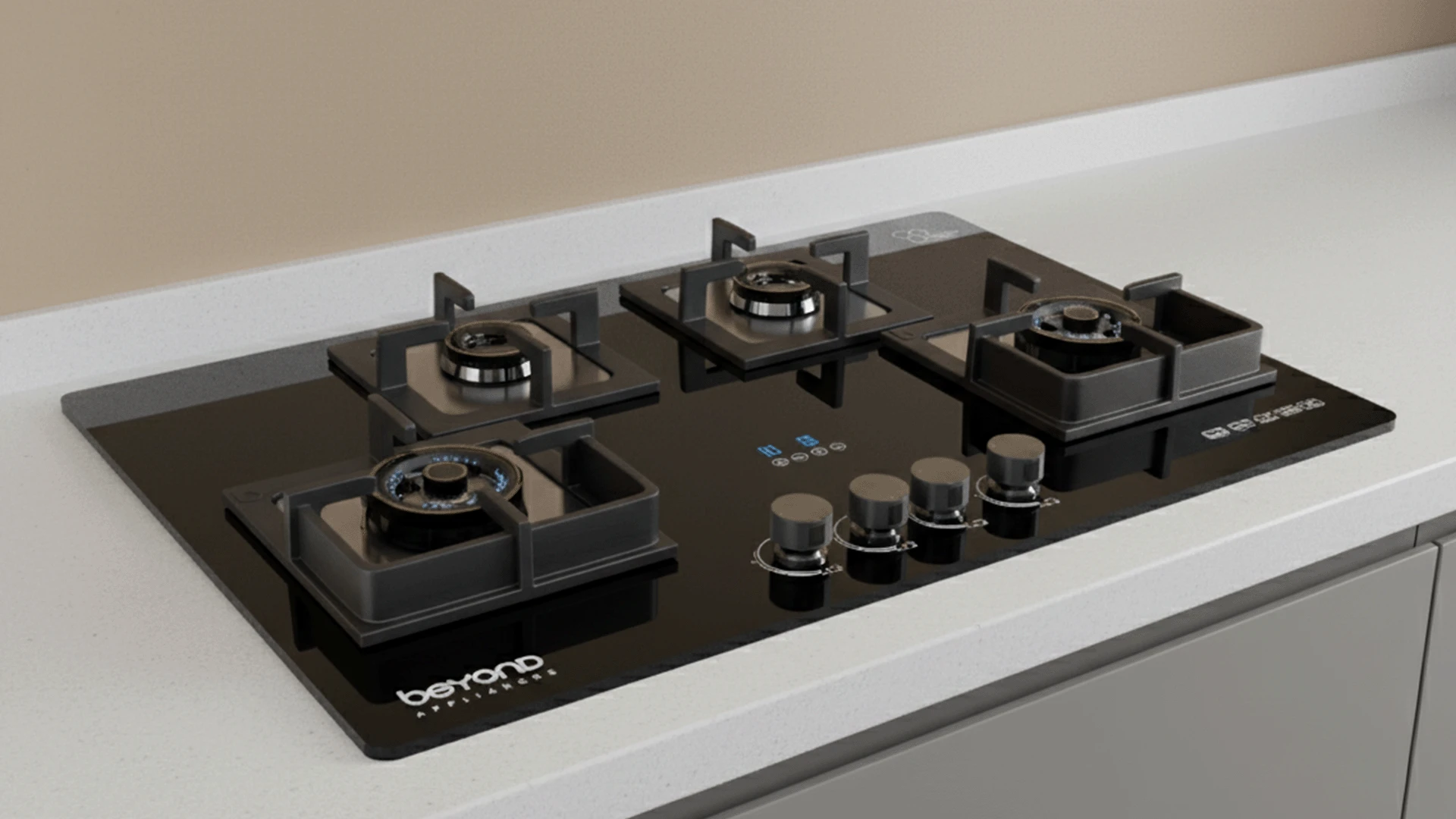
Gas cooking has become an essential part of modern kitchens, but understanding the safety differences between CNG and LPG systems is crucial for every homeowner. Hob flame failure incidents can pose serious risks, and the type of cooking gas you use significantly affects these dangers. Whether you're using compressed natural gas (CNG) or liquefied petroleum gas (LPG), knowing how each system behaves during emergencies can protect your family and property. Modern hob designs incorporate advanced safety features, but understanding the fundamental differences between these gas types helps you make informed decisions about kitchen safety and appliance selection.
Hob flame failure occurs when the gas supply continues flowing after the flame extinguishes unexpectedly. This dangerous situation can lead to gas accumulation in your kitchen, creating fire and explosion risks. Common causes include wind drafts, boiling liquids spilling onto burners, or mechanical issues with the gas control system.
Kitchen accidents involving cooking gases affect thousands of households annually. The behavior of gas during flame failure varies significantly between CNG and LPG systems due to their different physical properties. Understanding these differences is essential for implementing proper gas hob safety measures in your kitchen.
The choice between CNG and LPG affects your kitchen's safety profile in several important ways. Each gas type has unique characteristics that influence how dangerous situations develop and how quickly they can be resolved.
CNG cooking risk is primarily influenced by natural gas being lighter than air. When leaks occur, CNG rises and disperses through ceiling vents or open windows, reducing ground-level accumulation. However, this property can create dangerous concentrations near ceiling fixtures or in upper cabinets.
LPG cooking risk involves heavier-than-air gas that settles in low areas like floor spaces and cabinet bases. This characteristic makes LPG leaks particularly dangerous in compact kitchen designs where gas can accumulate in confined spaces before detection.
Key differences in CNG vs LPG safety include leak detection methods, evacuation procedures, and ventilation requirements. CNG leaks are often detected faster due to their upward movement, while LPG requires floor-level gas detectors for early warning systems.
Modern gas hobs incorporate sophisticated safety mechanisms designed to prevent cooking gas dangers. These features work automatically to shut off gas flow when flame failure occurs, protecting your kitchen from dangerous gas accumulation.
Flame failure devices (FFD) use thermocouples to detect flame presence and automatically close gas valves when flames extinguish. These hob safety features respond within seconds, preventing dangerous gas buildup in your kitchen space.
Modern hob design incorporates advanced sensor technology that monitors gas pressure, flame stability, and ambient conditions. Smart monitoring systems can detect irregular flame patterns and adjust gas flow accordingly, while child safety locks prevent accidental operation.
Effective gas leak prevention requires understanding early warning signs and implementing regular maintenance schedules. Proper installation and ongoing care significantly reduce the likelihood of dangerous flame failure incidents.
Visual indicators include yellow or orange flames instead of blue, while auditory signs include hissing sounds near gas connections. The distinctive mercaptan odor added to cooking gases provides the most reliable early warning system for leak detection.
Certified technicians should install all gas appliances and conduct annual safety inspections. Regular maintenance includes checking gas connections, testing safety devices, and replacing worn components according to manufacturer specifications.
Quick response during hob flame failure emergencies can prevent serious accidents. Having a clear action plan helps family members respond appropriately when dangerous situations develop.
Turn off the gas supply at the appliance and main valve immediately. Open windows and doors to ventilate the area, but avoid using electrical switches or creating sparks. Evacuate the premises if gas odor persists or intensifies.
Gas exposure symptoms include headaches, dizziness, and nausea. Move affected persons to fresh air immediately and seek medical attention if symptoms persist. Keep emergency service numbers readily accessible in your kitchen.
Selecting between CNG vs LPG depends on local infrastructure, cost considerations, and kitchen design requirements. Each option offers distinct advantages for different household situations and cooking preferences.
Local availability often determines gas type options, with urban areas typically offering CNG connections while rural locations rely on LPG cylinders. Cost analysis should include installation expenses, ongoing fuel costs, and safety equipment requirements.
Modern hob design accommodates both gas types with appropriate pressure regulators and burner adjustments. Safety feature compatibility ensures optimal performance regardless of your chosen gas type.
Wind drafts and liquid spillovers cause most flame failures in both systems. CNG systems may experience pressure fluctuations during peak demand periods, while LPG systems can fail due to low cylinder pressure or regulator issues.
Professional inspections should occur annually for both CNG and LPG systems. High-usage kitchens or older appliances may require more frequent checks to ensure safety device functionality.
Most modern hobs can be converted with proper burner jets and pressure regulator adjustments. This conversion requires certified technician services to ensure safety compliance and warranty protection.
Delayed ignition, flames that won't stay lit, or gas flow continuing after flame extinction indicate FFD problems. These safety devices should respond within 3-5 seconds of flame failure.
Modern hobs include automatic shut-off systems, pressure monitoring, and smart sensors that older models lack. These advanced safety features significantly reduce cooking gas dangers compared to basic manual controls.
Evacuate immediately and contact your gas supplier's emergency line. Don't use electrical devices, light matches, or attempt to locate the leak yourself. Professional detection equipment is required for safe leak identification.
Compact kitchens require enhanced ventilation systems and may need additional gas detectors due to limited air circulation. Modern hob design considerations include space-efficient safety features for smaller cooking areas.
High winds can cause flame failure in both systems, while temperature changes affect LPG pressure more significantly than CNG. Monsoon conditions may impact ventilation effectiveness, requiring extra safety precautions.
Understanding the differences between CNG vs LPG cooking risk helps you implement appropriate safety measures for your kitchen. Modern safety features significantly reduce dangers, but proper installation, maintenance, and emergency preparedness remain essential. Whether you choose CNG or LPG, investing in quality appliances with advanced safety systems protects your family while enhancing your cooking experience. Regular professional inspections and staying informed about kitchen safety tips ensure your gas cooking system operates safely for years to come.
