

Hob Efficiency: Your Complete Expert Guide
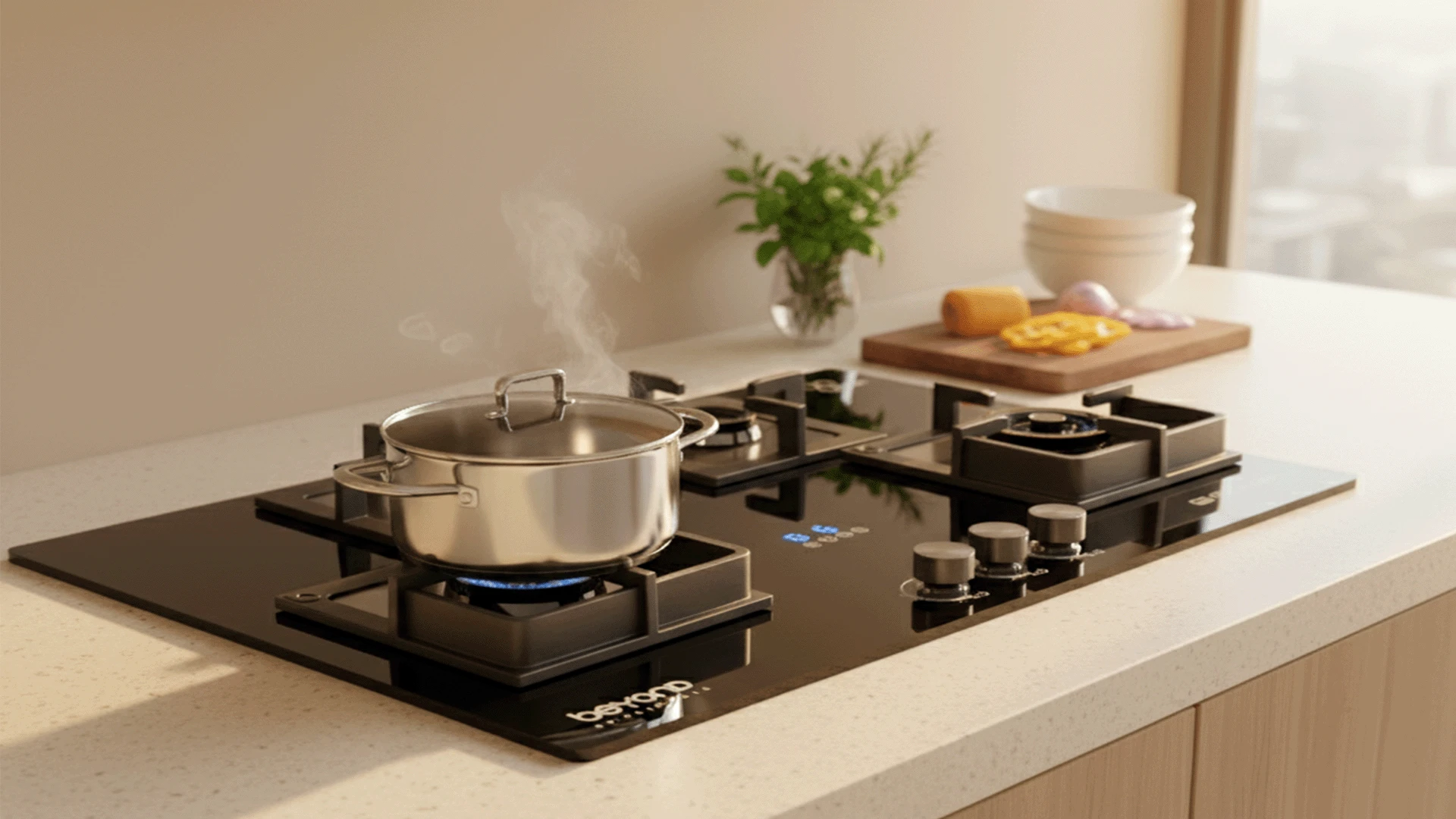
Cooking efficiently in your kitchen starts with understanding how to maximize your hob's performance. Whether you're using gas, electric, or induction, the right techniques can cut your energy bills by up to 30% while improving your cooking results. Modern homemakers are discovering that making hob more efficient isn't just about saving money – it's about creating a more sustainable and enjoyable cooking experience. From choosing the right cookware to optimizing heat settings, small changes in your cooking habits can deliver significant improvements in both energy consumption and cooking quality.
Hob efficiency refers to how effectively your cooking surface converts energy into usable heat for cooking. This measurement directly impacts your monthly utility bills and cooking performance. An efficient hob transfers maximum energy to your cookware while minimizing waste heat that escapes into your kitchen. Energy transfer rates vary dramatically between hob types. Induction hobs lead the efficiency race with 85-90% energy transfer, while gas hobs typically achieve 40-55% efficiency. Electric hobs fall somewhere in the middle at 65-70%. These differences translate into real cost savings over time, especially for households that cook frequently.
Hob power consumption measurements help you understand running costs. Gas hobs consume energy measured in BTUs (British Thermal Units), while electric models use kilowatts. Induction hobs offer precise power control, allowing you to match energy output exactly to your cooking needs. Heat-up time significantly affects overall efficiency. Induction surfaces reach cooking temperature in 30-60 seconds, while gas burners take 2-3 minutes, and electric hobs need 5-8 minutes. Faster heating means less energy waste and quicker meal preparation.
Many people believe gas hobs are always more economical, but this depends on local energy prices. In areas with expensive gas or cheap electricity, electric or induction hobs often prove more cost-effective. Another myth suggests that higher heat always cooks food faster – in reality, optimal temperature control delivers better results with less energy waste.
Choosing the right hob type forms the foundation of kitchen efficiency. Each technology offers distinct advantages depending on your cooking style, budget, and energy preferences. Understanding these differences helps you make informed decisions about upgrades or new installations. Modern hob design has evolved significantly, with manufacturers focusing on energy efficiency alongside aesthetic appeal. Today's hobs feature smart controls, precise temperature management, and safety features that enhance both performance and efficiency.
Induction technology represents the pinnacle of hob efficiency. These surfaces use electromagnetic fields to heat cookware directly, eliminating energy loss through heat transfer. The result is incredibly responsive temperature control and minimal energy waste. Safety advantages include cool-to-touch surfaces and automatic pan detection. If you remove the cookware, heating stops immediately, preventing energy waste. This makes induction ideal for busy kitchens where efficiency and safety matter equally.
Gas hobs offer instant visual feedback and precise flame control. While less efficient than induction, proper techniques can maximize their performance. Blue flames indicate complete combustion and optimal efficiency, while yellow flames suggest poor air mixture and energy waste. Hob burner efficiency improves with regular maintenance. Clean burner ports ensure proper gas flow, while correctly sized cookware captures maximum heat. Using lids while cooking can improve gas hob efficiency by up to 25%.
Electric hobs have improved dramatically with ceramic and halogen technologies. These surfaces heat more evenly than traditional coil elements and offer better temperature control. However, they retain heat longer after switching off, which can be both an advantage and efficiency concern.
Space constraints in modern kitchens have driven innovation in compact hob design. These smaller units often deliver superior efficiency per cooking zone compared to larger models. Concentrated heating zones reduce energy waste while providing adequate cooking capacity for most households. Small hob installations work particularly well in apartments, studios, or secondary cooking areas. Their focused design eliminates unused burners that might accidentally activate, reducing energy waste. Many compact models feature advanced controls typically found only on premium full-size units.
Modern compact hobs include digital displays showing real-time energy consumption. These features help users develop more efficient cooking habits by providing immediate feedback on energy use. Timer functions prevent overcooking and energy waste from forgotten burners. Multi-zone cooking optimization allows different heat levels across the cooking surface. This means you can simmer sauces on low heat while searing proteins on high, maximizing efficiency for complex meal preparation.
Implementing smart cooking strategies can dramatically improve your hob's efficiency regardless of type. These techniques require no equipment investment but deliver immediate energy savings and better cooking results. Hob cooking tips start with proper cookware selection. Flat-bottomed pans with good heat conduction transfer energy more efficiently than warped or thin-bottomed alternatives. Matching pan size to burner size prevents energy loss around the edges.
Pre-heating water in an electric kettle uses less energy than heating on the hob. This technique works especially well for pasta, rice, or steaming vegetables. The kettle's focused heating element operates more efficiently than most hob surfaces. Ingredient preparation reduces active cooking time. Chopping vegetables uniformly ensures even cooking at lower temperatures. Room temperature ingredients require less energy to reach cooking temperature than refrigerated items.
Heat retention cooking involves bringing food to temperature, then reducing heat and using residual warmth to complete cooking. This works particularly well with rice, stews, and braised dishes. The technique can reduce energy consumption by 15-20% for suitable recipes. Batch cooking maximizes hob efficiency by preparing multiple meals simultaneously. Using all available burners efficiently spreads energy costs across several meals, reducing per-serving energy consumption.
Modern hobs incorporate sophisticated technologies that automatically optimize energy consumption. These features work behind the scenes to deliver consistent results while minimizing waste. Energy efficient hob models include automatic heat adjustment based on cookware detection. Sensors monitor pan temperature and adjust power output accordingly, preventing overheating and energy waste. Some models even suggest optimal cooking temperatures for different food types.
Timer functions with automatic shut-off prevent energy waste from forgotten cooking. Residual heat indicators show when surfaces remain hot, allowing you to use retained heat for gentle warming or melting. These features enhance both safety and efficiency. Boost functions provide rapid heating when needed, then automatically reduce to optimal cooking levels. This prevents the common mistake of leaving burners on high heat throughout cooking, which wastes energy and can damage food.
Before considering upgrades, explore ways to improve your existing hob's performance. Simple maintenance and technique adjustments often deliver surprising efficiency improvements without major investment. Regular cleaning maintains optimal heat transfer. Grease and food residue create barriers that reduce efficiency. For gas hobs, ensure burner ports remain clear for proper flame distribution. Electric and induction surfaces benefit from specialized cleaners that maintain smooth, efficient heat transfer.
Hobs older than 10-15 years typically operate significantly less efficiently than modern alternatives. If your energy bills seem high despite efficient cooking habits, upgrading might provide substantial long-term savings. Calculate potential savings against upgrade costs to determine the best timing. Performance decline signs include uneven heating, slow temperature response, or visible damage to heating elements. These issues often worsen over time, making replacement more economical than extensive repairs.
Induction hobs are the most energy efficient option, achieving 85-90% energy transfer efficiency. They heat cookware directly through electromagnetic fields, eliminating energy loss through heat transfer to the surrounding air.
Use properly sized cookware that matches burner size, keep burner ports clean for optimal flame distribution, always use lids when possible, and ensure flames burn blue rather than yellow for complete combustion.
Use appropriate cookware sizes, employ lids to retain heat, pre-heat water in electric kettles when possible, and match heat levels to cooking requirements rather than using maximum heat throughout cooking.
Proper techniques can reduce cooking energy consumption by 20-30%. This includes using lids, matching cookware to burner sizes, and employing heat retention cooking methods where appropriate.
Hobs older than 10-15 years typically consume 25-40% more energy than modern efficient models. Calculate your current cooking energy costs against potential savings to determine if upgrading makes financial sense.
Making hob more efficient combines smart equipment choices with optimized cooking techniques. Whether you're using gas, electric, or induction, proper cookware selection, maintenance, and cooking methods can significantly reduce energy consumption while improving results. Modern efficient hobs offer advanced features that automatically optimize performance, but even older models benefit from simple efficiency improvements. Focus on matching heat output to cooking needs, using appropriate cookware, and maintaining your equipment properly for the best efficiency gains.
