

Hob Burners: 2 vs 3 vs 4 - Complete Comparison
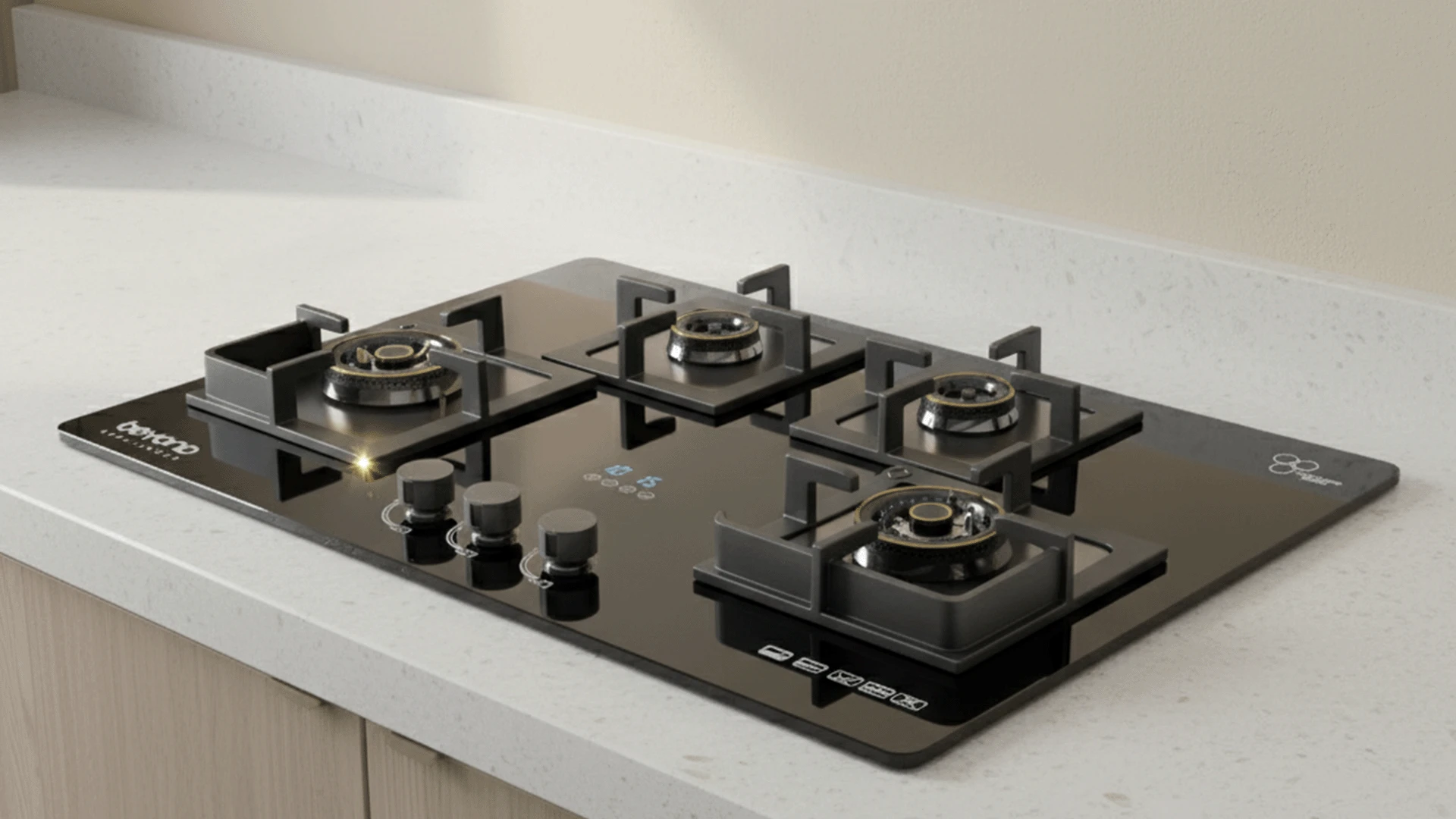
Choosing the right number of hob burners for your kitchen is a crucial decision that affects your daily cooking experience. Whether you're setting up a compact apartment kitchen or designing a spacious culinary workspace, understanding the differences between 2, 3, and 4-burner configurations helps you make an informed choice. The number of hob burners impacts everything from cooking efficiency to energy consumption and kitchen workflow. This comprehensive comparison explores each configuration's benefits, limitations, and ideal use cases to help you find the perfect match for your cooking needs and lifestyle.
The choice between different hob burner numbers depends on several key factors that shape your cooking experience. Kitchen size, cooking habits, household size, and budget all play important roles in determining the ideal configuration for your home.
Your available counter space directly influences which hob configuration works best. Compact hob burners require minimal space, while larger units need adequate clearance for safe operation. Measure your kitchen carefully before deciding, considering both the hob dimensions and surrounding workspace needs.
Daily cooking routines significantly impact your burner requirements. Single-person households or couples often find 2-burner units sufficient, while families with children typically benefit from additional burners. Consider how often you prepare multiple dishes simultaneously and whether you enjoy entertaining guests with elaborate meals.
Small hob units with two burners offer excellent solutions for space-conscious kitchens. These compact modern designs maximize functionality while minimizing footprint, making them ideal for specific living situations.
Studio apartments, tiny homes, and secondary cooking areas benefit most from 2-burner configurations. These units work exceptionally well as best hob for small kitchen setups where space is at a premium. Energy-conscious households also appreciate the lower power consumption and reduced utility costs.
Modern hob burners in 2-burner configurations offer sleek styling options that complement contemporary kitchen designs. Installation flexibility allows placement in various locations, including kitchen islands or compact countertops. The cost-effectiveness makes them attractive for budget-conscious buyers seeking quality cooking solutions.
Cooking capacity constraints become apparent when preparing multiple dishes simultaneously. Multi-tasking challenges arise during meal preparation for larger groups. Entertainment cooking and family meal preparation may require more planning and sequential cooking approaches.
Three-burner configurations strike an excellent balance between functionality and space efficiency. This middle-ground option addresses many limitations of 2-burner systems while maintaining reasonable space requirements.
Three-burner layouts maximize cooking versatility without overwhelming smaller kitchens. The additional burner provides significant cooking flexibility while maintaining manageable dimensions. Popular layout configurations include linear and triangular arrangements that optimize workflow efficiency.
The third burner enables simultaneous preparation of main dishes, sides, and sauces. Compact modern design options ensure these units fit well in medium-sized kitchens. Suitable for households of 2-4 people, they handle daily cooking needs effectively while accommodating occasional entertaining.
Limited simultaneous cooking still affects larger meal preparation. Space constraints for oversized pots or pans may create workflow bottlenecks during complex cooking sessions. Professional-level cooking enthusiasts might find the capacity insufficient for elaborate culinary projects.
Four-burner systems provide the ultimate cooking flexibility for serious home cooks and large families. These configurations support complex meal preparation and simultaneous cooking of multiple dishes.
Large families, frequent entertainers, and cooking enthusiasts benefit most from 4-burner systems. Multi-course meal preparation becomes manageable with adequate burner capacity. Professional cooking techniques and elaborate recipes are more easily executed with sufficient cooking surfaces.
Small hob units now include compact 4-burner designs that fit into moderately sized kitchens. Power distribution systems ensure efficient operation across all burners. Premium features like individual controls, timer functions, and safety systems enhance the cooking experience.
Higher upfront costs reflect the increased functionality and features. Energy consumption rises with additional burners, though efficient designs minimize unnecessary waste. Installation complexity may require professional setup and adequate ventilation systems.
Comparing hob burner comparison metrics helps identify the best option for your specific needs. Performance, space requirements, and costs vary significantly between configurations.
Heat distribution quality remains consistent across all configurations when using quality units. Temperature control precision improves with higher-end models regardless of burner count. Safety features like automatic shut-off and child locks are available across all configurations.
This hob size guide comparison shows significant differences: • 2-burner units: 30-45cm width, minimal counter space • 3-burner units: 45-60cm width, moderate space requirements • 4-burner units: 60-90cm width, substantial counter area needed Ventilation requirements scale with burner count and cooking intensity. Electrical or gas connections must accommodate the unit's power demands.
Initial investment ranges from INR 8,000-15,000 for quality 2-burner units to INR 25,000-50,000 for premium 4-burner systems. Operating costs depend on usage patterns and energy efficiency ratings. Maintenance expenses remain relatively consistent across configurations.
Selecting the optimal number of hob burners requires careful assessment of your specific situation. Kitchen layout, cooking habits, and lifestyle factors all influence the best decision.
Measure available counter space accurately, including clearance requirements. Consider workflow patterns and how the hob integrates with existing appliances. Plan for future kitchen renovations that might affect space availability or cooking needs.
Analyze daily cooking routines to understand actual burner usage patterns. Household size directly impacts cooking volume and complexity. Entertainment frequency determines peak cooking capacity requirements. Special dietary needs may require dedicated cooking surfaces.
Gas hob vs electric hob considerations include cooking precision, energy costs, and maintenance requirements. Induction hob sizes offer energy efficiency and precise temperature control. Smart features, safety systems, and cleaning ease vary between models and configurations.
This hob buying guide section helps navigate the final decision process with confidence. Understanding key features, budget planning, and installation requirements ensures a successful purchase.
Focus on must-have features like reliable ignition systems and safety controls. Brand reliability and warranty coverage protect your investment. Professional installation ensures safe operation and maintains warranty validity. Cookware compatibility affects cooking performance and versatility.
Price ranges vary significantly: 2-burner units (INR 8,000-20,000), 3-burner units (INR 15,000-35,000), and 4-burner units (INR 25,000-60,000). Extended warranty options provide additional protection. Consider long-term value including energy efficiency and durability.
Professional installation ensures safety compliance and optimal performance. Permit requirements vary by location and installation type. Plan for temporary kitchen disruption during installation. Post-installation testing confirms proper operation and safety system functionality.
Three-burner configurations are most popular for families of 3-4 people, offering good balance between functionality and space efficiency while handling daily cooking needs effectively.
Upgrading is possible but may require electrical or gas line modifications, additional counter space, and potentially enhanced ventilation systems depending on your kitchen layout.
Not necessarily. Energy costs depend on actual usage patterns rather than burner count. Efficient cooking practices and modern burner technology can minimize energy consumption regardless of configuration.
Minimum requirements: 2-burner (4-5 sq ft counter space), 3-burner (6-7 sq ft), 4-burner (8-10 sq ft), including adequate clearance for safe operation and workflow.
Quality compact units deliver comparable performance to larger models. Power output depends on burner design and technology rather than overall unit size.
Measure available counter space, check electrical/gas capacity, assess ventilation requirements, and consider workflow impact before upgrading to larger configurations.
Choosing between 2, 3, or 4 hob burners depends on your specific kitchen size, cooking habits, and lifestyle needs. Compact hob burners with 2 burners suit small spaces and simple cooking routines, while 3-burner configurations offer excellent balance for most households. Four-burner systems provide maximum flexibility for serious cooks and large families. Consider space requirements, energy efficiency, and long-term value when making your decision. Quality modern hob burners in any configuration can enhance your cooking experience when properly matched to your needs.
