

High Flame vs Multi Flame Burner: Full Comparison
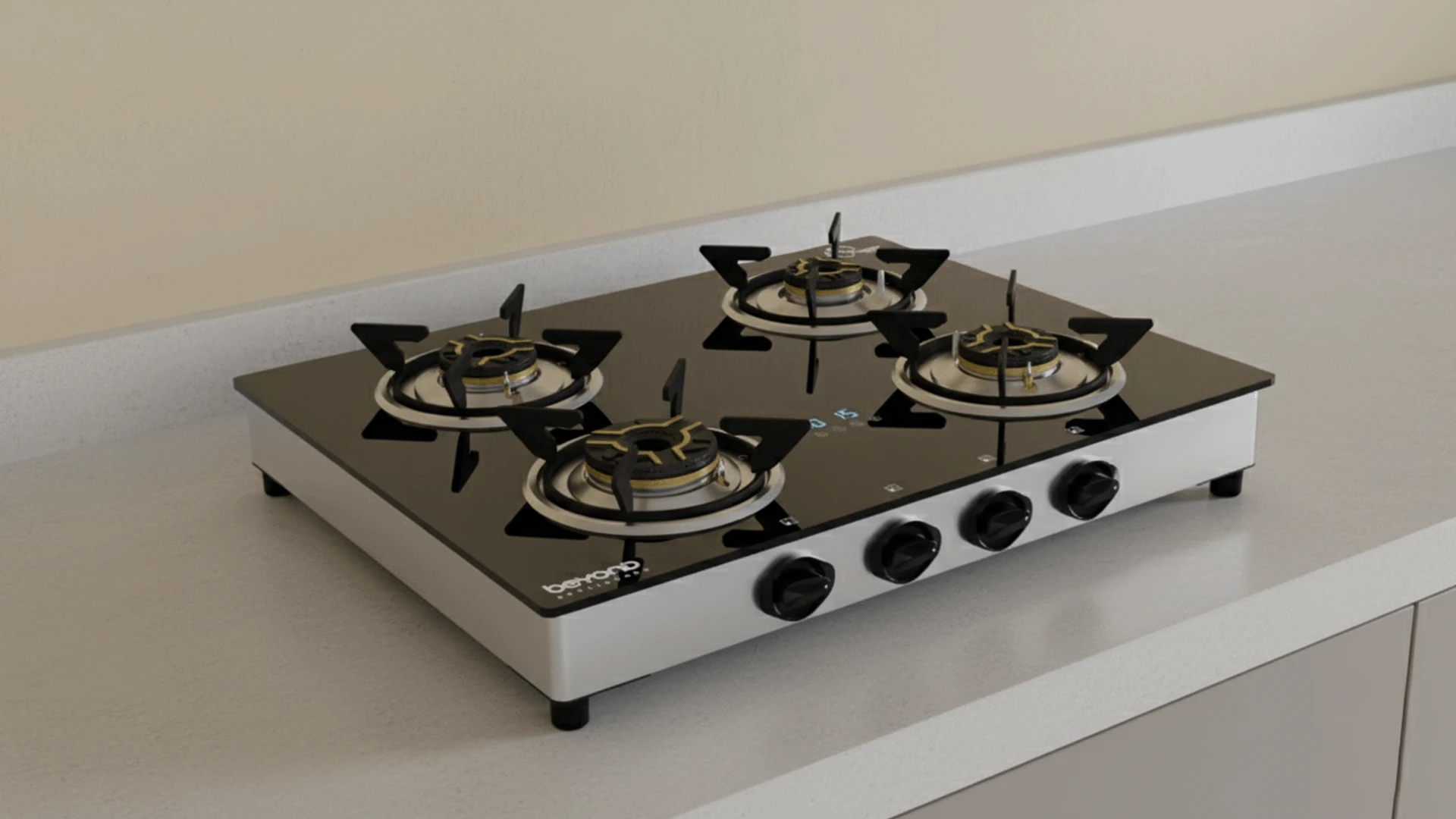
Choosing the right burner for your gas stove can transform your cooking experience. The debate between high flame vs multi flame burner options continues to puzzle many homeowners. Both designs offer unique advantages for different cooking styles and kitchen needs. Understanding the technical differences, efficiency factors, and practical applications helps you make an informed decision. Whether you prioritize maximum power output or cooking versatility, each burner type serves specific purposes in modern kitchens.
The fundamental difference between these burner types lies in their flame distribution and power delivery systems. High flame burners concentrate maximum heat output through a single, intense flame ring, while multi flame burners distribute heat across multiple concentric rings for enhanced control.
A high flame burner features a single concentrated flame design that delivers maximum BTU output in one focused area. This burner type typically produces between 12,000 to 18,000 BTUs, making it ideal for high-temperature cooking tasks like stir-frying, searing, and rapid boiling. The concentrated heat pattern works best with medium to large-sized cookware, providing intense heat for quick cooking methods.
The multi flame burner incorporates multiple flame rings, usually two or three concentric circles that can operate independently or together. This configuration allows precise heat control across different zones of your cookware. The inner ring provides gentle heat for simmering, while outer rings add power for faster cooking. This versatility makes multi flame burners excellent for various cooking techniques on the same burner.
Flame intensity varies significantly between these designs. High flame burners deliver concentrated power in a single zone, while multi flame systems distribute heat more evenly. The BTU ratings for multi flame burners typically range from 8,000 to 15,000 BTUs total, with individual rings contributing different power levels. Heat coverage area also differs, with multi flame burners providing better distribution across larger cookware surfaces.
Understanding the performance characteristics of each burner type helps determine which suits your cooking habits and efficiency preferences. Both designs offer distinct advantages in terms of power delivery and fuel consumption.
High flame burners excel in maximum power output capabilities, delivering concentrated heat for rapid cooking. These burners consume gas at higher rates during peak operation but complete cooking tasks faster. The cooking speed advantages make them ideal for busy kitchens where time efficiency matters. Best use cases include wok cooking, pasta boiling, and any application requiring intense, focused heat.
Multi flame burners optimize gas burner efficiency through variable power settings. You can use only the inner ring for gentle tasks, reducing overall gas consumption. The ability to adjust heat zones independently provides better energy efficiency for different cooking methods. This flexibility allows precise temperature control without wasting fuel on unnecessary heat output.
High flame burners typically consume more gas per hour at maximum output but complete tasks faster. Multi flame burners offer better fuel economy for extended cooking sessions through zone control. The efficiency vs speed trade-off depends on your cooking patterns and priorities. Cost implications over time favor multi flame burners for households that frequently use medium to low heat settings.
The practical cooking benefits of each burner type become apparent when examining heat distribution patterns and temperature control capabilities. These factors directly impact cooking results and user satisfaction.
Single flame burners create concentrated heat zones ideal for specific cookware sizes. Multiple flame coverage provides more uniform heating across larger pan surfaces. Heat uniformity analysis shows multi flame burners reduce hot spots and provide more consistent cooking results. Pan size compatibility varies, with high flame burners working best for medium-sized cookware.
Fine-tuning capabilities differ significantly between burner types. Multi flame systems excel at simmering and gentle cooking through independent ring control. High flame burners provide excellent boiling performance but require more skill for delicate temperature management. Professional cooking requirements often favor multi flame systems for their versatility, while home cooking applications benefit from both designs depending on cooking style.
Modern gas stoves incorporate various burner configurations to meet diverse cooking needs. Understanding these options helps optimize your kitchen setup for maximum cooking efficiency.
Standard high-output designs feature robust construction and straightforward operation. Power burner specifications typically include brass or aluminum construction for durability. Ideal placement on cooktops positions these burners where maximum heat access is most convenient, usually front-right or rear positions depending on kitchen layout.
Dual-zone cooking capabilities allow simultaneous gentle and intense heating on the same burner. Inner and outer ring control provides cooking flexibility for complex recipes. Versatility benefits include the ability to switch between simmering sauces and searing proteins without changing burners.
Maximum flexibility design incorporates three independent flame rings for ultimate control. Professional-grade features include precise flame adjustment and superior heat distribution. Heat zone customization allows chefs to create specific temperature gradients across cookware surfaces.
Selecting between high flame and multi flame burners requires careful consideration of your specific needs, kitchen layout, and cooking habits. The right choice enhances your cooking experience while optimizing efficiency.
Compact kitchens benefit from multi flame burners that provide cooking versatility in limited space. Spacious kitchens can accommodate both burner types for maximum flexibility. Two-burner configurations work well for small households, while four-burner setups suit larger families. Space optimization strategies should balance power needs with available counter space.
Small families typically need 2-3 burners with at least one high-output option. Large families benefit from 4+ burner configurations with mixed flame types. Cooking frequency analysis helps determine whether maximum power or versatility takes priority. Daily cooking routines influence the ideal balance between high flame and multi flame burners.
Combining small, medium, and high-flame burners creates optimal cooking versatility. This strategy accommodates everything from gentle warming to rapid boiling. Modern burner design trends favor mixed configurations that provide both power and precision. Contemporary kitchens benefit from this balanced approach to burner selection.
Multi flame burners typically offer better efficiency for daily cooking due to their variable heat zones. You can use only the inner ring for simple tasks, reducing gas consumption while maintaining precise temperature control.
Yes, high flame burners cook food faster due to their concentrated heat output. They excel at rapid boiling, stir-frying, and other high-temperature cooking methods that benefit from intense, focused heat.
Both burner types require similar maintenance routines. Multi flame burners have more components but cleaning procedures remain straightforward. Regular cleaning and proper use ensure longevity for both designs.
High flame burners work best with medium to large cookware that matches the flame ring size. Very large pans may not heat evenly, while multi flame burners provide better heat distribution for oversized cookware.
The choice between high flame and multi flame burners ultimately depends on your cooking style, family size, and kitchen requirements. High flame burners excel at power and speed, making them ideal for quick, high-temperature cooking. Multi flame burners provide superior versatility and efficiency for varied cooking techniques. Consider your daily cooking habits, available space, and long-term needs when making this important kitchen decision. The best gas stove configurations often include both burner types to maximize cooking flexibility and efficiency.
