

Gas Stove Placement: Kitchen Layout Secrets Revealed
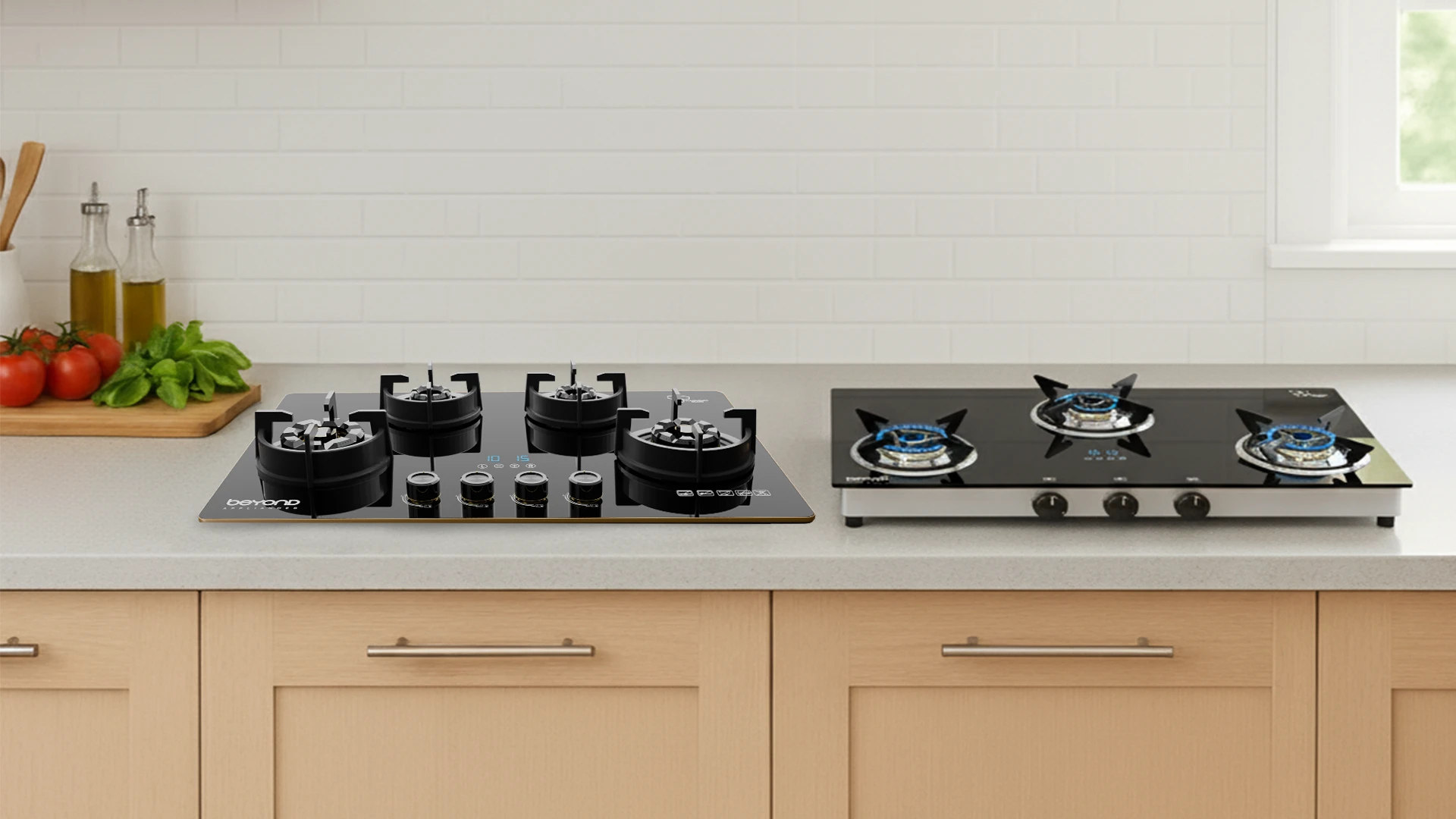
Planning your kitchen layout around a gas stove requires careful consideration of safety, efficiency, and workflow. The placement of your gas stove affects everything from daily cooking convenience to your home's resale value. Smart kitchen layout tips around gas stove positioning can transform a cramped, inefficient space into a chef's dream workspace. Whether you're designing a compact kitchen or renovating a spacious culinary haven, understanding the principles of proper gas stove placement will help you create a kitchen that works beautifully for years to come.
The position of your gas stove serves as the heart of your kitchen's workflow system. Poor placement can add unnecessary steps to meal preparation, create safety hazards, and reduce your kitchen's overall functionality. Research shows that inefficient kitchen layouts can increase cooking time by up to 40% and contribute to kitchen accidents. Safety considerations often get overlooked during kitchen planning. Your gas stove needs adequate clearance from combustible materials, proper ventilation, and safe distances from high-traffic areas. These requirements directly impact where you can position your stove and how the rest of your kitchen layout develops around it. The placement also affects your kitchen's resale value significantly. Home buyers prioritize functional kitchen layouts, and a well-positioned gas stove signals thoughtful design. Real estate professionals consistently rank efficient kitchen work flow as a top factor in home valuations.
The kitchen work triangle remains the foundation of efficient kitchen layout design. This principle positions your gas stove, sink, and refrigerator in a triangular arrangement that minimizes walking distance during food preparation. The ideal triangle measures between 12 and 26 feet in total perimeter. For optimal efficiency, maintain 4 to 6 feet between your gas stove and sink, and 4 to 9 feet between the stove and refrigerator. These distances allow comfortable movement while keeping essential functions within easy reach. The triangle should remain unobstructed by islands, peninsulas, or other kitchen elements.
Small kitchen design requires modified triangle approaches. In galley kitchens, create a linear workflow with the gas stove positioned between the sink and refrigerator. L-shaped layouts work well with the stove at the corner junction, creating natural triangle formation.
Avoid placing your gas stove directly across from the refrigerator in narrow kitchens. This creates collision points when multiple people use the kitchen. Similarly, positioning the stove too close to the sink can create water splash hazards and cramped prep space.
Compact kitchen ideas require creative solutions that maximize every square inch. Wall-mounted gas stoves work excellently in small spaces, freeing up floor area for storage or movement. Position wall stoves at comfortable working height, typically 36 inches from floor to cooking surface. Ventilation becomes critical in small kitchens where cooking odors and heat can quickly overwhelm the space. Ensure your gas stove placement allows for proper exhaust hood installation. Ductless chimneys offer excellent solutions for compact spaces where traditional ducting proves challenging.
Maintain minimum 15 inches of counter space on at least one side of your gas stove, with 12 inches acceptable for very small kitchens. Above the stove, allow 24 to 30 inches clearance to combustible cabinets, or follow manufacturer specifications for heat shields.
Corner gas stove placement can work in L-shaped small kitchens, though it requires careful planning for adequate counter space. Peninsula installations offer island-like functionality in compact spaces while maintaining connection to main kitchen areas.
Contemporary ergonomic kitchen layout design emphasizes multiple work zones rather than strict triangle adherence. Position your gas stove as the centerpiece of a dedicated cooking zone, with prep space, utensil storage, and seasonings within arm's reach. Kitchen islands with gas stoves create dramatic focal points in larger spaces. This placement requires careful consideration of ventilation, electrical connections, and gas line routing. Island stoves work best in kitchens with at least 150 square feet of floor space.
Plan for landing space on both sides of your gas stove when possible. This allows safe placement of hot cookware and provides prep space for ingredients. In compact layouts, pull-out cutting boards or fold-down surfaces can supplement permanent counter space.
Position pot and pan storage near your gas stove for convenient access. Deep drawers work better than cabinets for heavy cookware storage. Consider vertical storage solutions for baking sheets and cutting boards in the stove's immediate vicinity.
Different kitchen dimensions require tailored approaches to gas stove placement. Understanding your space constraints helps determine the most efficient kitchen layout for your specific situation.
One-wall layouts position all appliances along a single wall, with the gas stove centrally located between sink and refrigerator. This arrangement works well in studio apartments or narrow kitchen spaces. Ensure adequate ventilation with wall-mounted exhaust systems. Galley kitchens benefit from gas stove placement on the less-trafficked side, typically opposite the sink. This prevents cooking interference during kitchen passage and maintains workflow efficiency.
L-shaped layouts offer excellent gas stove placement opportunities at the corner junction or along the longer wall section. U-shaped configurations work well with the stove positioned on the back wall, creating natural work triangle formation.
Spacious kitchens accommodate island gas stove installations, creating restaurant-style cooking environments. Multiple work zones become possible, with the gas stove anchoring the primary cooking area while secondary prep zones handle other tasks.
Many homeowners position gas stoves too close to kitchen entrances, creating traffic flow problems and safety concerns. Maintain at least 36 inches of clearance from doorways to prevent accidents and cooking interference. Inadequate counter space represents another frequent error. Without proper landing areas, cooking becomes cumbersome and potentially dangerous. Retrofit solutions include adding pull-out surfaces or relocating nearby storage to create additional counter space.
Poor exhaust planning leads to inadequate odor and heat removal. Plan your ventilation system during initial layout design, not as an afterthought. Modern chimneys offer various styles including T-shaped, curved, and slant designs to complement different kitchen aesthetics.
Ignoring natural movement patterns creates inefficient kitchens. Observe how you currently move through your kitchen space and design around these patterns rather than forcing artificial workflows.
Maintain 4 to 6 feet between your gas stove and sink for optimal workflow efficiency. This distance prevents water splashing onto hot surfaces while keeping both appliances within the ideal work triangle. Minimum distance should never be less than 2 feet for safety reasons.
Yes, island gas stove installation is possible with proper planning. You'll need adequate space for gas line routing, electrical connections for ignition systems, and overhead ventilation. Islands require minimum 42 inches of clearance on all sides for safe operation and code compliance.
Building codes typically require 15 inches of counter space on at least one side of the gas stove, with 12 inches acceptable in very small kitchens. For optimal functionality, plan for landing space on both sides when possible.
Existing gas lines can often accommodate relocated stoves within reasonable distances. Professional evaluation determines if line extensions or rerouting is necessary. Sometimes working with existing infrastructure proves more cost-effective than major relocations.
Gas stoves require exhaust systems capable of removing combustion byproducts and cooking odors. Range hoods should provide minimum 100 CFM per linear foot of stove width. Ductless chimneys offer alternatives where traditional ducting isn't feasible.
Well-planned gas stove placement significantly enhances kitchen functionality and buyer appeal. Efficient layouts with proper work triangles and adequate counter space consistently receive higher valuations than poorly designed kitchens.
Smart gas stove placement forms the foundation of efficient kitchen design. Whether you're working with compact kitchen ideas or spacious layouts, understanding work triangle principles, safety requirements, and workflow patterns ensures optimal results. Remember that proper ventilation planning and adequate counter space are non-negotiable elements of successful kitchen layout design. With careful planning and attention to these kitchen layout tips around gas stove positioning, you'll create a kitchen that serves your family beautifully for years to come.
