

Gas Stove Flame Issues: Expert Troubleshooting Guide
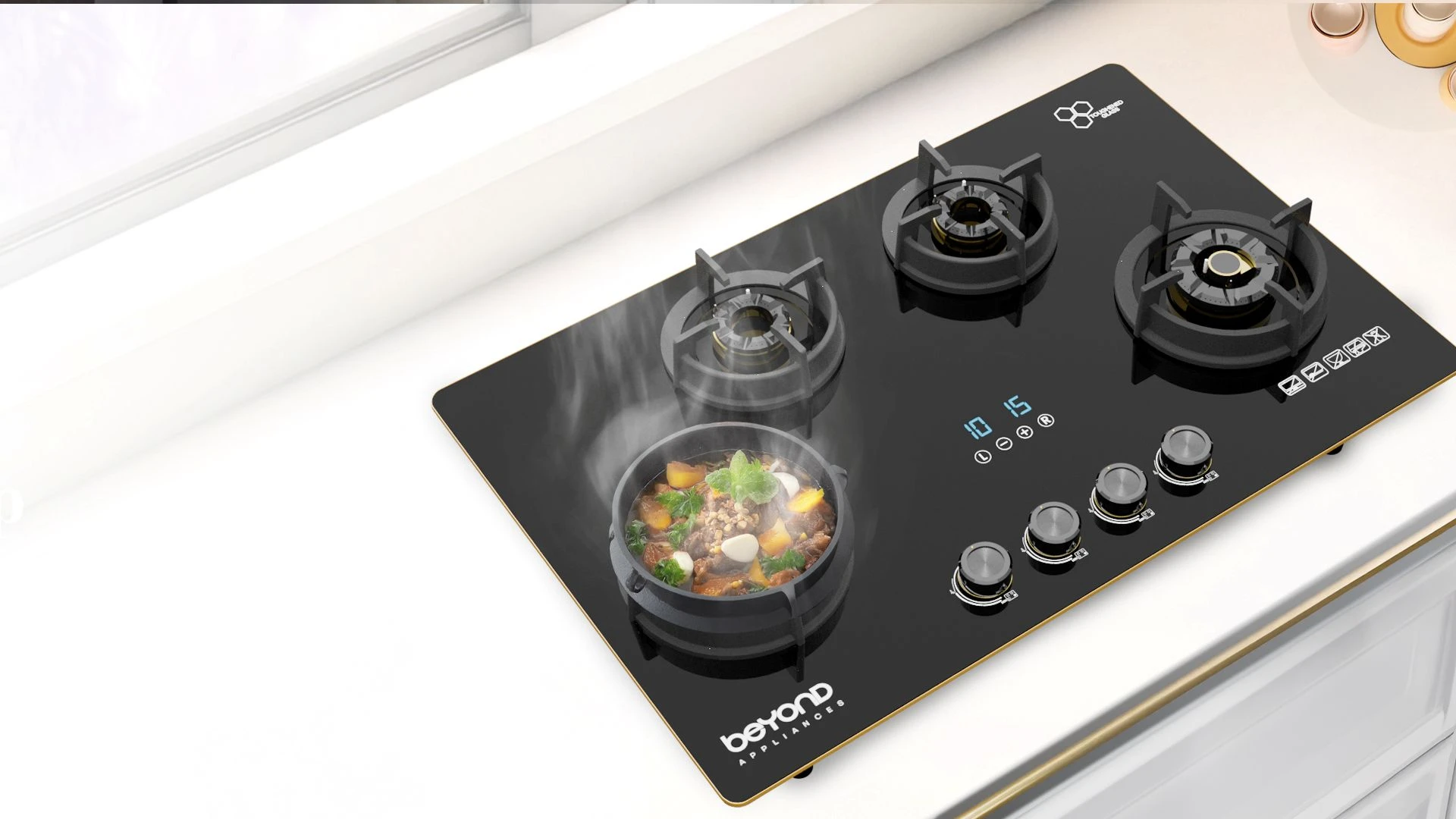
Gas stoves are the heart of many Indian kitchens, providing reliable cooking performance for daily meals. However, when flame issues arise, they can disrupt your cooking routine and raise safety concerns. Understanding common gas stove flame problems and their solutions helps maintain optimal performance and ensures safe operation. Whether you're dealing with weak flames, unusual colors, or uneven distribution, most issues have straightforward fixes that don't require professional intervention.
A healthy gas stove flame should burn with a steady blue color, indicating complete combustion and proper air-to-gas ratio. The flame should be uniform in height and distribution around the burner ring. Blue flames burn hottest and most efficiently, reaching temperatures between 1,900°C to 2,000°C. Problematic flames often display different colors or behaviors. Orange or yellow flames indicate incomplete combustion, which reduces heating efficiency and may produce carbon monoxide. Flickering flames suggest air flow issues or dirty burners. Weak flames that struggle to heat cookware properly often result from gas pressure problems or blocked burner ports.
Watch for these warning signs that require immediate attention: • Persistent orange or yellow flame color • Strong gas odor around the stove • Flames that won't stay lit consistently • Unusual hissing or popping sounds • Soot buildup on cookware bottoms
Most gas burner problems stem from a few common issues that affect flame quality and performance. Understanding these root causes helps identify the right solution quickly. Orange flame gas stove issues typically result from insufficient air mixing with the gas. This creates incomplete combustion, producing the characteristic orange color. Dirty burner ports, misaligned burner caps, or blocked air intakes commonly cause this problem.
When your stove flame too low to heat cookware effectively, several factors might be responsible: • Clogged burner ports reducing gas flow • Low gas pressure from the supply line • Partially blocked air shutters • Worn-out gas regulators
Uneven stove flame patterns create hot spots and cold areas on your cookware. This usually happens when: • Burner ports are partially blocked with food debris • Burner caps are misaligned or warped • Gas flow is restricted in certain areas • Burner heads need thorough cleaning
Before starting any gas stove troubleshooting, ensure safety by turning off the gas supply and allowing the stove to cool completely. Gather basic tools including a soft brush, needle or thin wire, mild detergent, and clean cloths. Begin with visual inspection of all burner components. Remove burner caps and heads to check for obvious blockages, damage, or misalignment. Look for food debris, grease buildup, or corrosion that might affect gas flow or air mixing.
Start fixing gas stove burner issues with thorough cleaning: • Soak removable parts in warm, soapy water • Use a soft brush to remove stubborn debris • Clear blocked ports with a needle or thin wire • Rinse thoroughly and dry completely before reassembly
When dealing with stove flame too low for effective cooking, systematic troubleshooting usually resolves the problem. Start by checking if the issue affects all burners or just one, as this helps identify whether it's a supply problem or individual burner issue. Clean all burner ports thoroughly using a needle or thin wire to remove any blockages. Even small debris can significantly reduce gas flow and flame strength. After cleaning, ensure burner caps are properly aligned and seated correctly on their bases.
For gas stove flame adjustment, locate the air shutter at the base of each burner tube. Gradually adjust the opening to achieve the proper blue flame. Too little air creates yellow flames, while too much air can blow out the flame or create a noisy, lifting flame. If cleaning and adjustment don't resolve low flame issues, the problem might be gas pressure related. This requires professional attention as it involves gas supply components that shouldn't be adjusted by homeowners.
An orange flame gas stove indicates incomplete combustion that reduces efficiency and may pose safety risks. The primary cause is usually insufficient air mixing with the gas, creating a fuel-rich mixture that burns with the characteristic orange color. Start by ensuring all burner components are clean and properly assembled. Remove and clean burner caps, heads, and surrounding areas thoroughly. Pay special attention to air intake areas around the burner base, as blockages here directly affect flame color.
Proper gas stove flame color depends on correct air-to-gas ratios. Adjust air shutters gradually while observing flame color changes. The ideal flame should be mostly blue with small yellow tips. Completely blue flames might indicate too much air, which can cause flame lifting or blowout. Environmental factors like humidity and altitude can also affect flame color. In high humidity conditions, flames may appear slightly more orange than usual, which is normal and doesn't indicate a problem.
Regular gas stove maintenance prevents most flame issues and extends appliance life. Establish a routine that includes daily, weekly, and monthly maintenance tasks to keep your stove performing optimally. Daily maintenance involves wiping down surfaces after cooking and ensuring burner caps are properly positioned. Weekly cleaning should include removing and washing burner caps and heads, checking for any obvious damage or wear.
Monthly gas stove maintenance requires more thorough attention: • Complete disassembly and cleaning of all removable parts • Inspection of gas connections for leaks or damage • Checking ignition system operation • Testing flame quality on all burners • Professional inspection if any issues are discovered
While many gas stove issues can be resolved through cleaning and basic adjustments, some problems require professional gas stove repair services. Understanding the difference helps ensure safety and prevents damage from improper repairs. DIY solutions work well for cleaning-related issues, minor adjustments, and basic maintenance tasks. However, problems involving gas supply lines, pressure regulators, or internal gas valves should always be handled by qualified technicians.
Call a professional immediately if you notice: • Persistent gas odors even when the stove is off • Flames that won't stay lit despite cleaning • Unusual sounds from gas connections • Visible damage to gas lines or fittings • Multiple burners failing simultaneously
A flame is too low if it struggles to heat cookware effectively, takes much longer than usual to boil water, or appears weak and barely visible. Normal flames should be strong enough to heat a pot of water to boiling within reasonable time.
Uneven flames usually result from blocked burner ports, misaligned burner caps, or debris in the gas flow path. Thorough cleaning and proper reassembly typically resolve this issue.
Orange flames indicate incomplete combustion, which is less efficient and may produce carbon monoxide. While not immediately dangerous, persistent orange flames should be corrected through cleaning and air adjustment.
Clean burner caps and heads weekly with regular use. Perform deep cleaning monthly, including clearing all ports and checking for proper alignment. Daily wiping prevents buildup.
You can safely adjust air shutters to optimize flame color and stability. However, gas pressure adjustments should only be made by qualified technicians as they involve safety-critical components.
Flames that won't stay lit often indicate thermocouple problems, gas supply issues, or severely blocked burner ports. Start with thorough cleaning, but persistent issues require professional diagnosis.
Most gas stove flame issues stem from cleaning and maintenance problems that homeowners can resolve safely. Regular cleaning prevents buildup that causes orange flames, weak flames, and uneven distribution. Understanding normal flame characteristics helps identify problems early, while knowing when to seek professional help ensures safety. Proper maintenance extends stove life and maintains cooking efficiency, making your kitchen safer and more enjoyable to use.
