

Gas Hob Noise Issues: Complete Troubleshooting Guide
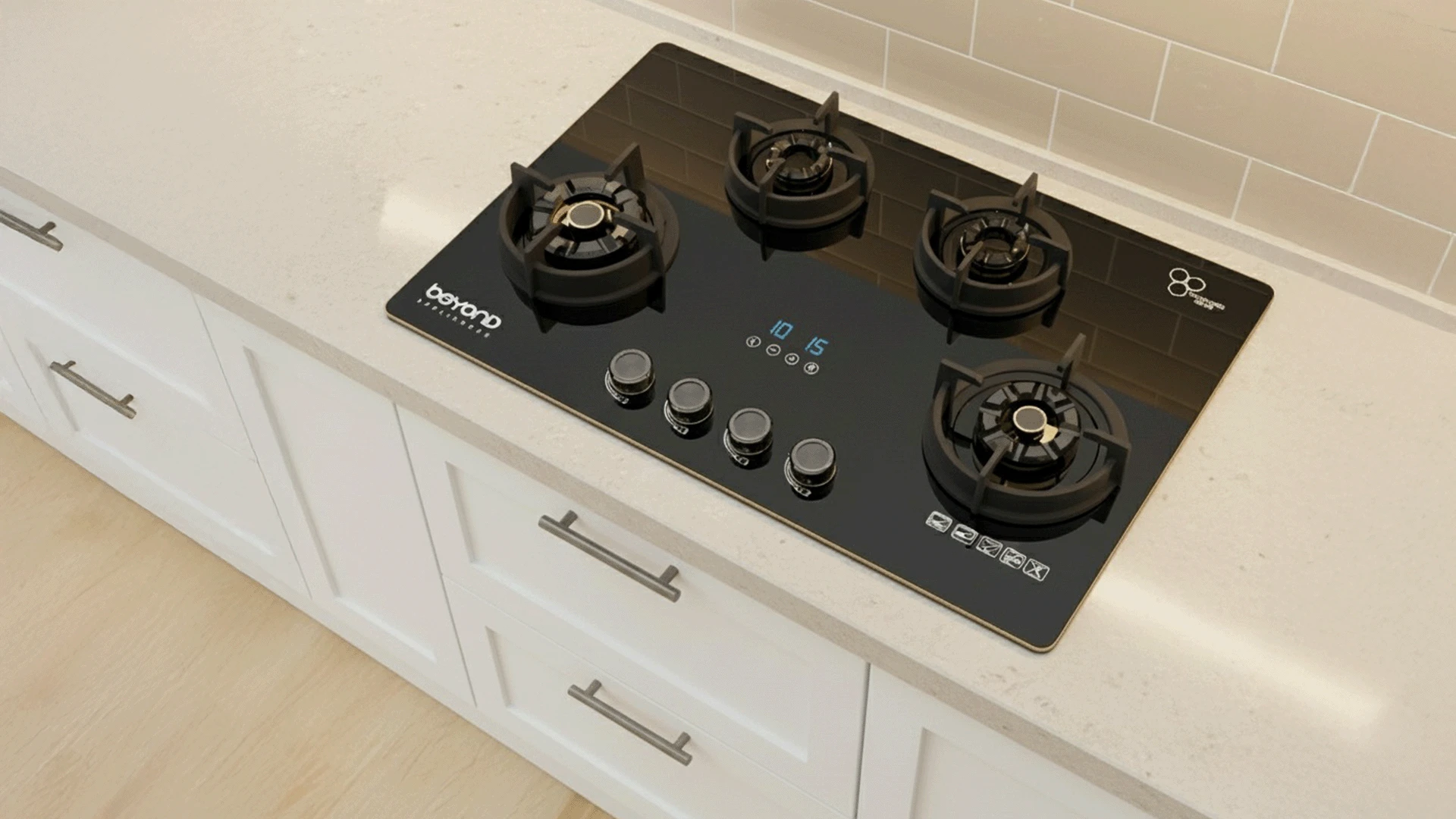
Gas hobs are essential kitchen appliances that make cooking convenient and efficient. However, when your gas hob starts making unusual noises, it can be concerning and disruptive to your cooking experience. Understanding different types of gas hob noise issues helps you identify problems early and take appropriate action. This comprehensive troubleshooting guide covers everything from normal operational sounds to serious problems requiring professional attention. Whether you're dealing with hissing, clicking, or strange humming sounds, knowing how to diagnose and address these issues ensures your kitchen remains safe and functional.
Every gas hob produces certain sounds during normal operation. Recognizing the difference between normal and problematic noises is crucial for effective gas hob troubleshooting. When you turn on your hob, you'll typically hear a clicking sound from the ignition system, followed by a gentle whoosh as the flame ignites. These gas appliance sounds are completely normal and indicate proper functioning. Abnormal sounds that warrant attention include continuous hissing when the hob is off, loud clicking that doesn't stop after ignition, whistling noises during operation, or any grinding or squeaking sounds. If your hob making noise becomes noticeably louder or changes in character, this often signals developing problems. Safety should always be your primary concern when dealing with gas appliances, so any unusual sounds accompanied by gas smells require immediate attention and professional inspection.
Different types of sounds from your gas hob indicate specific problems. Understanding these strange hob sounds helps with accurate hob noise diagnosis and appropriate response. A noisy gas hob can produce various sounds, each pointing to different underlying issues.
Hissing typically indicates gas flow irregularities or pressure problems. This sound might occur when gas escapes from loose connections or when burner components aren't properly aligned. Continuous hissing when the hob is turned off requires immediate attention.
Persistent clicking usually points to ignition system problems. While normal during startup, continuous clicking suggests moisture in the ignition system, faulty spark electrodes, or control knob issues.
Whistling often results from air intake problems or partially blocked burner ports. This sound indicates restricted gas flow or improper air-to-gas mixture ratios.
These sounds typically indicate burner blockages from food debris, grease buildup, or misaligned burner caps. The irregular gas flow creates these distinctive noises.
Low-frequency humming or vibrating suggests component wear, loose parts, or issues with the gas pressure regulator. These sounds often develop gradually over time.
Gas stove hissing is one of the most common and potentially serious noise issues. This sound can indicate various problems ranging from minor adjustments to serious safety concerns. Understanding the causes helps you respond appropriately to hob burner problems. Gas pressure irregularities often cause hissing sounds. When gas pressure is too high or fluctuates, it creates turbulent flow that produces audible hissing. This might occur due to regulator problems or supply line issues. Loose connections and fittings also create hissing as gas escapes through small gaps. Regular inspection of all connections helps prevent this problem. Burner cap misalignment is another common cause. When burner caps aren't properly seated, gas flow becomes irregular, creating hissing sounds. Always ensure burner caps are correctly positioned after cleaning. If hissing occurs when the hob is turned off, immediately turn off the gas supply and contact a professional technician.
Effective gas hob repair starts with identifying where sounds originate. Different locations indicate different types of hob burner problems. Systematic diagnosis helps pinpoint issues accurately. Single burner problems usually indicate localized issues like blocked ports, misaligned caps, or faulty ignition components. Multiple burner issues often suggest central problems with gas supply, pressure regulation, or main control systems. Control knob area noises typically point to valve problems, worn seals, or internal component wear. Sounds from underneath the hob might indicate loose mounting, worn support structures, or issues with gas supply lines. Ignition system noises usually come from specific locations near each burner, helping identify which spark electrode or control circuit needs attention. Gas supply line noise identification requires careful listening to distinguish between normal flow sounds and problematic turbulence.
Safe fixing gas hob noise requires proper preparation and understanding of limitations. While some issues can be resolved at home, gas hob repair should always prioritize safety over convenience. Before starting any troubleshooting, ensure the gas supply is turned off and the hob has cooled completely. Gather necessary tools including screwdrivers, cleaning brushes, mild detergent, and a flashlight for inspection. Never use excessive force or attempt repairs beyond your skill level. Cleaning burner components properly often resolves many noise issues. Remove burner caps and rings, then clean them thoroughly with warm soapy water. Use a soft brush to clear blocked ports, ensuring all debris is removed. Check that all components are completely dry before reassembly. Adjusting burner caps and rings correctly is crucial - they must sit flush and stable to ensure proper gas flow and prevent noise.
Certain situations require professional gas hob repair services rather than DIY gas hob troubleshooting. Recognizing these scenarios protects your safety and prevents costly damage. Signs requiring immediate professional attention include persistent gas odors, flames that won't extinguish properly, yellow or orange flame colors, or any hissing when the hob is completely turned off. Gas leak indicators such as dead vegetation near gas lines, unusual hissing sounds, or strong gas smells require emergency response. Complex ignition system failures often involve electrical components that require specialized knowledge and tools. Attempting repairs on these systems without proper training can create safety hazards. Warranty considerations also matter - DIY repairs might void manufacturer warranties, making professional service more cost-effective long-term.
Regular maintenance prevents most noisy gas hob problems and extends appliance life. Effective gas hob troubleshooting includes preventive measures that keep your hob operating quietly and efficiently. Establish a regular maintenance schedule including weekly cleaning of burner caps and rings, monthly inspection of gas connections, and annual professional servicing. Proper cleaning techniques involve using mild detergents, avoiding abrasive materials, and ensuring complete drying before reassembly. Quality cookware selection impacts hob performance. Flat-bottomed pans with proper weight distribution reduce stress on burner components. Environmental factors like humidity, temperature fluctuations, and kitchen ventilation affect gas hob operation. Good ventilation prevents moisture buildup that can cause ignition problems.
Noise when the hob is off usually indicates gas leakage, faulty valves, or thermal expansion of components. This requires immediate professional inspection as it may pose safety risks.
Slight hissing during operation can be normal, especially with high gas flow rates. However, continuous or loud hissing indicates problems requiring attention.
Dangerous noises include hissing when turned off, unusual clicking patterns, or any sounds accompanied by gas odors. These require immediate professional attention.
Avoid using a hob making unusual noises until the problem is diagnosed. Continued use might worsen the issue or create safety hazards.
Sudden changes often result from component wear, blockages developing, or changes in gas pressure. Regular maintenance helps prevent these issues.
Annual professional servicing is recommended, with monthly self-inspections and weekly cleaning to maintain optimal performance and prevent noise issues.
Understanding gas hob noise issues empowers you to maintain a safe, efficient kitchen environment. While some problems can be resolved through careful DIY troubleshooting, always prioritize safety and seek professional help when uncertain. Regular maintenance, proper cleaning, and prompt attention to unusual sounds prevent most serious problems. Remember that modern gas hobs with features like Flame Failure Device safety sensors and Auto Ignition systems are designed for reliable, quiet operation when properly maintained. By following this comprehensive troubleshooting guide, you can keep your gas hob operating smoothly and quietly for years to come.
