

FFD vs Induction: Complete Cooktop Buying Guide
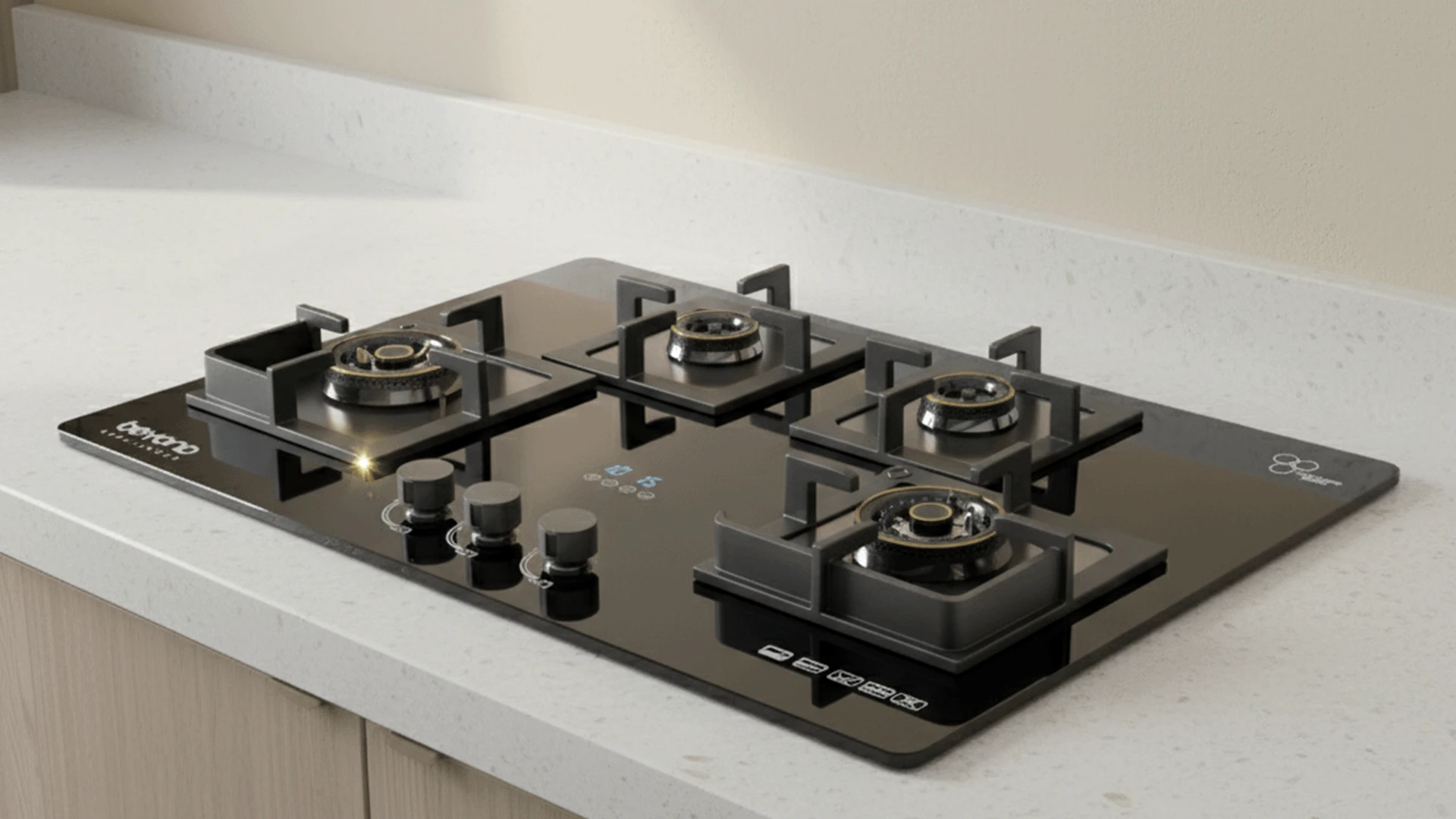
Choosing the right cooktop for your kitchen involves weighing multiple factors, from initial costs to long-term benefits. The debate between FFD hobs and induction cooktops has become increasingly relevant as modern kitchens evolve toward more efficient, compact solutions. Understanding the fundamental differences between these technologies helps homemakers and decision-makers invest wisely in appliances that truly enhance their cooking experience. This comprehensive guide examines every aspect of FFD versus induction technology, providing the insights needed to make an informed choice for your home.
FFD (Flame Failure Device) hobs represent the modern evolution of traditional gas cooking, incorporating safety mechanisms that automatically cut off gas supply when flames are extinguished. These cooktops use direct flame heating, providing immediate visual feedback and familiar cooking control that many experienced cooks prefer. Induction cooktops operate on electromagnetic technology, creating heat directly in compatible cookware through magnetic fields. This innovative approach eliminates open flames entirely, using electrical energy to generate precise, controllable heat that responds instantly to temperature adjustments.
FFD hobs rely on gas combustion with built-in safety sensors that detect flame presence. When flames go out unexpectedly, the device immediately stops gas flow, preventing dangerous accumulation. This technology maintains the traditional cooking experience while adding crucial safety features. Induction technology creates electromagnetic fields that interact with ferromagnetic cookware, generating heat directly in pots and pans. The cooktop surface remains relatively cool, with heat transfer efficiency reaching up to 90% compared to gas cooking's 40-50% efficiency.
The initial investment comparison reveals significant differences between FFD hobs and induction cooktops. FFD hobs typically cost between INR 8,000 to INR 25,000, depending on features and build quality, while induction cooktops range from INR 12,000 to INR 40,000 for premium models. Installation requirements also impact total costs. FFD hobs need gas line connections and proper ventilation systems, potentially adding INR 3,000 to INR 8,000 for professional installation. Induction cooktops require only electrical connections, with installation costs typically under INR 2,000.
Energy consumption patterns significantly affect monthly expenses. FFD hobs consume gas at rates varying with local pricing, typically costing INR 800 to INR 1,500 monthly for average families. Induction cooktops use electricity more efficiently, with monthly costs ranging from INR 600 to INR 1,200, depending on usage patterns and local electricity rates. Maintenance expenses favor induction technology. FFD hobs require regular burner cleaning, gas line inspections, and occasional component replacements, averaging INR 2,000 annually. Induction cooktops need minimal maintenance, with annual costs typically under INR 500.
Energy efficiency represents a crucial factor in modern appliance selection. Induction cooktops achieve remarkable efficiency rates of 85-90%, meaning most electrical energy converts directly to cooking heat. FFD hobs operate at 40-50% efficiency, with significant energy lost through ambient heat dissipation. Cooking speed comparisons reveal induction's technological advantage. Boiling one liter of water takes approximately 3-4 minutes on induction cooktops compared to 6-8 minutes on FFD hobs. This speed difference translates to reduced cooking times and lower energy consumption across all cooking tasks.
Carbon footprint considerations depend largely on local energy sources. In regions where electricity comes from renewable sources, induction cooktops offer superior environmental benefits. Areas relying on coal-powered electricity may see reduced environmental advantages, though induction's higher efficiency still provides benefits. Indoor air quality improves significantly with induction cooking. FFD hobs produce combustion byproducts requiring adequate ventilation, while induction cooktops generate no emissions, maintaining cleaner kitchen environments.
FFD hobs excel in several key areas that appeal to traditional cooking preferences. Visual flame control provides immediate feedback, allowing cooks to adjust heat levels intuitively. This direct relationship between flame size and heat output feels natural to experienced cooks who prefer hands-on cooking control. Cookware compatibility represents another significant advantage. FFD hobs work with all pot and pan materials, from aluminum to copper, eliminating the need for specialized induction-compatible cookware. This flexibility saves money and preserves existing kitchen investments.
Power outage independence makes FFD hobs valuable in areas with unreliable electricity supply. Manual ignition systems allow continued cooking during electrical disruptions, ensuring meal preparation continues regardless of power availability. Lower upfront costs make FFD hobs accessible to budget-conscious buyers. The familiar technology requires no learning curve, making transition seamless for households upgrading from basic gas stoves.
Induction cooktops deliver precise temperature control that surpasses traditional cooking methods. Digital controls allow exact temperature settings, maintaining consistent heat levels perfect for delicate cooking techniques like tempering chocolate or preparing sauces. Safety features make induction cooktops ideal for families with children. Cool cooking surfaces prevent accidental burns, while automatic shut-off functions activate when cookware is removed. Child lock features provide additional protection against unintended operation.
Smooth glass surfaces simplify cleaning routines significantly. Spills don't burn onto cool surfaces, requiring only simple wiping for maintenance. This ease of cleaning saves time and effort compared to FFD hobs with multiple burner components requiring detailed attention. Compact designs maximize counter space efficiency. Portable induction cooktops offer flexibility for small kitchens or temporary cooking setups, while built-in models provide sleek, modern aesthetics that complement contemporary kitchen designs.
Space optimization becomes crucial in modern kitchen planning. Compact cooktops address the growing need for efficient appliance solutions in smaller living spaces. Both FFD and induction technologies offer space-saving options, though with different installation requirements and aesthetic impacts. Portable options provide flexibility for various cooking scenarios. Compact induction cooktops excel in portability, requiring only electrical connections for operation. FFD portable units need gas cylinder connections, limiting placement flexibility but offering outdoor cooking capabilities.
Contemporary kitchen designs favor clean lines and minimalist appearances. Induction cooktops blend seamlessly with modern aesthetics, offering flush-mount installations that create uninterrupted counter surfaces. FFD hobs can achieve similar integration but require careful planning for gas line routing and ventilation requirements.
Successful cooktop selection requires systematic evaluation of household needs, cooking habits, and kitchen constraints. Begin by assessing cooking frequency and preferred cooking methods. Families who cook daily benefit from induction's efficiency and speed, while occasional cooks might find FFD hobs more cost-effective. Budget considerations extend beyond initial purchase prices. Calculate total cost of ownership including installation, energy consumption, and maintenance over five years. This comprehensive analysis often reveals induction cooktops provide better long-term value despite higher upfront costs.
Evaluate existing kitchen infrastructure before making final decisions. Homes with established gas lines favor FFD hob installation, while kitchens with adequate electrical capacity suit induction cooktops. Upgrading electrical systems for induction may require additional investment but provides long-term benefits. Consider future kitchen renovation plans. Induction cooktops offer greater flexibility for future layout changes, while FFD hobs tie kitchen design to gas line locations.
Induction cooktops typically provide better long-term value through energy savings and reduced maintenance costs. The higher initial investment usually pays back within 2-3 years through lower operating expenses and improved cooking efficiency.
Induction cooktops offer superior safety features with cool cooking surfaces, automatic shut-off functions, and no open flames. FFD hobs include safety mechanisms but still involve gas and open flames, requiring more careful supervision around children.
Induction cooktops require ferromagnetic cookware. Test existing pots by checking if magnets stick to the bottom. Stainless steel and cast iron work well, while aluminum and copper need induction-compatible bases.
Induction cooktops typically consume 1.5-3 kW per hour during active cooking. Monthly electricity costs range from INR 600-1,200 for average families, often less than equivalent gas cooking expenses due to superior efficiency.
FFD hobs require regular burner cleaning, gas line inspections, and component replacements. Induction cooktops need only surface cleaning and occasional control panel maintenance, significantly reducing upkeep requirements.
Induction cooktops heat significantly faster, boiling water in 3-4 minutes compared to 6-8 minutes for FFD hobs. This speed advantage extends to all cooking tasks, reducing overall cooking times and energy consumption.
Choosing between FFD hobs and induction cooktops depends on individual priorities, cooking habits, and kitchen requirements. Induction technology offers superior efficiency, safety, and modern convenience, making it ideal for contemporary kitchens and busy households. FFD hobs provide familiar cooking experiences, lower upfront costs, and universal cookware compatibility, appealing to traditional cooking preferences and budget-conscious buyers. Consider total cost of ownership, installation requirements, and long-term kitchen plans when making this important appliance investment. Both technologies serve different needs effectively, ensuring every household can find the perfect cooking solution for their unique requirements.
