

Essential Wall Mount Chimney Cleaning Tips Checklist
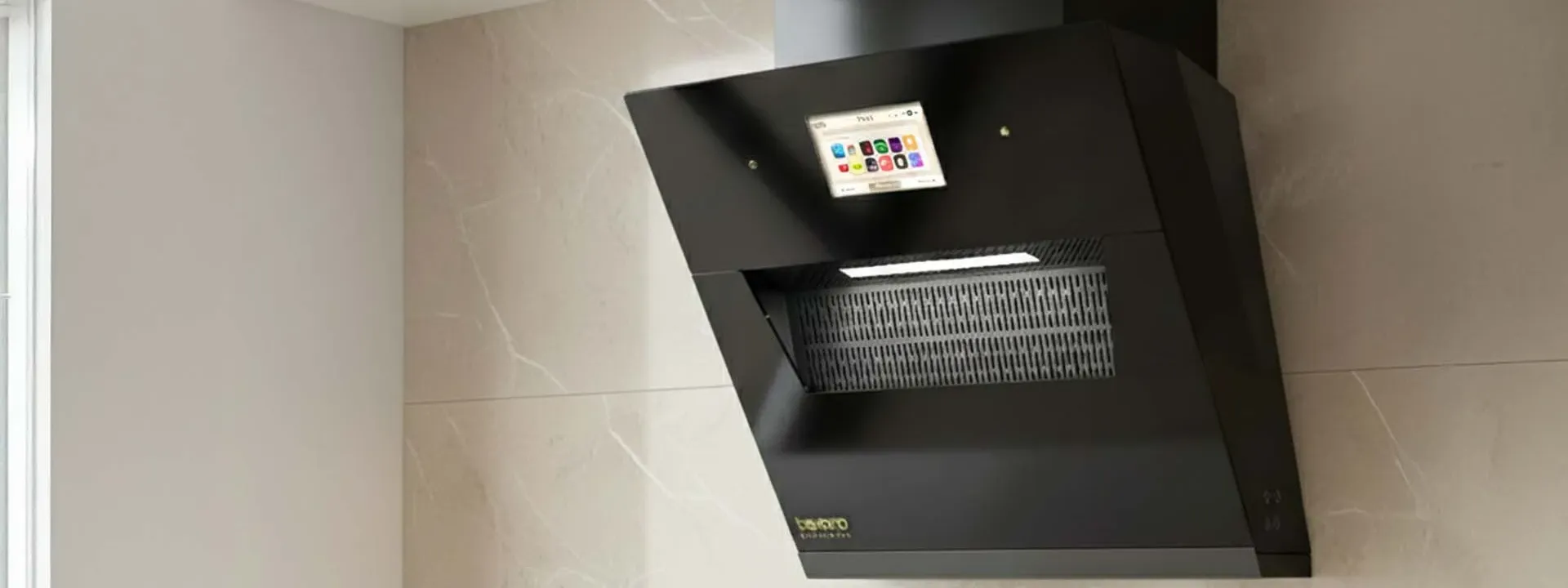
Keeping your wall mount chimney clean is crucial for maintaining optimal kitchen air quality and ensuring your appliance operates at peak efficiency. Unlike traditional chimneys, wall mount units require specific cleaning techniques due to their compact design and unique positioning. Regular maintenance not only extends the lifespan of your chimney but also prevents grease buildup that can affect suction power and create unpleasant odors in your kitchen.
Wall mount chimneys differ significantly from traditional models in their design and cleaning needs. These compact units are mounted directly on the wall above your cooktop, making them space-efficient but requiring careful attention during maintenance. Understanding these differences helps you develop an effective cleaning routine that keeps your chimney functioning properly.
Wall mount chimneys feature a sleek, space-saving design that sits flush against your kitchen wall. Their compact structure means components are more tightly packed, requiring precise cleaning techniques. The motor housing is typically smaller, and the filter system is designed for easy removal and cleaning.
Your wall mount chimney has several critical components that require regular attention. The baffle filters or cassette filters trap grease and oil particles from cooking vapors. The motor housing needs periodic cleaning to prevent dust accumulation that can affect performance. The oil collection tray catches excess grease and should be emptied regularly.
Watch for reduced suction power, unusual noises during operation, or persistent cooking odors lingering in your kitchen. Visible grease buildup on filters or the chimney hood surface indicates immediate cleaning is necessary. If your chimney starts making grinding sounds or the lights flicker, stop using it and clean thoroughly before resuming operation.
Having the right tools makes chimney cleaning more efficient and thorough. Gather all necessary supplies before starting to ensure you can complete the cleaning process without interruption. Quality tools also help protect your chimney components from damage during cleaning.
Essential tools include a soft-bristled brush for gentle scrubbing, microfiber cloths for wiping surfaces, and a plastic scraper for removing stubborn grease. You'll also need a bucket for soaking filters, rubber gloves for hand protection, and a step ladder for safe access to higher components.
Soft-bristled cleaning brush
Microfiber cloths and paper towels
Plastic scraper or spatula
Large bucket or sink for soaking
Rubber cleaning gloves
Step ladder or sturdy stool
Vacuum cleaner with brush attachment
Natural cleaning solutions like vinegar and baking soda effectively cut through grease while being environmentally friendly. Commercial degreasers work faster on heavy buildup but require proper ventilation during use. Choose based on your cleaning frequency and the level of grease accumulation.
Safety should be your top priority during chimney cleaning. Ensure the chimney is completely cool and disconnected from power before starting. Use non-slip mats around your work area and have adequate lighting for detailed cleaning work.
Following a systematic approach ensures thorough cleaning without missing important components. This comprehensive guide covers everything from initial preparation to final inspection. Take your time with each step to achieve the best results and maintain your chimney's performance.
Turn off the chimney and disconnect it from the power source completely. Allow the unit to cool for at least 30 minutes after use before beginning cleaning. Cover your cooktop and surrounding surfaces with newspaper or plastic sheets to protect from dripping cleaning solutions.
For light cleaning, you can clean filters in place using a vacuum cleaner with brush attachment. Gently vacuum both sides of the filter to remove loose grease and debris. Follow up with a damp microfiber cloth to wipe away remaining residue, working from top to bottom.
Remove filters according to your chimney's manual instructions, typically by sliding or lifting them out carefully. Soak filters in warm water mixed with dish soap for 15-20 minutes to loosen grease buildup. Scrub gently with a soft brush, rinse thoroughly, and allow to air dry completely before reinstalling.
Wipe down the chimney hood with a degreasing solution, paying special attention to areas around the filters where grease accumulates. Clean control buttons and lights with a slightly damp cloth, being careful not to let moisture enter electrical components. Polish stainless steel surfaces with appropriate cleaner for a streak-free finish.
Heavy grease buildup requires more intensive cleaning methods to restore your chimney's efficiency. These advanced techniques help tackle the toughest cleaning challenges while protecting your appliance components. Regular use of these methods prevents excessive buildup that can damage your chimney over time.
Create a paste using baking soda and water for stubborn grease spots on filters and surfaces. Apply the paste, let it sit for 10 minutes, then scrub gently with a soft brush. For extremely greasy filters, add white vinegar to create a foaming action that helps break down oil deposits naturally.
Mix equal parts white vinegar and warm water in a spray bottle for an effective natural degreaser. Spray the solution on filters and let it work for 5 minutes before scrubbing. The acidic properties of vinegar cut through grease while baking soda provides gentle abrasive action for thorough cleaning.
If your wall mount chimney has an auto-clean feature, run this function monthly to maintain optimal performance. Even with auto-clean, manual filter cleaning is still necessary every 2-3 weeks. The auto-clean function helps reduce grease buildup but doesn't replace regular maintenance completely.
Establishing a regular cleaning schedule prevents heavy grease buildup and maintains your chimney's efficiency. Consistent maintenance is easier than dealing with neglected, heavily soiled components. A well-maintained chimney also operates more quietly and consumes less energy.
Weekly tasks include wiping down external surfaces and emptying the oil collection tray if present. Monthly maintenance involves thorough filter cleaning and checking for any loose connections or unusual noises. Quarterly deep cleaning should include motor housing inspection and professional service if needed.
Simple daily habits can significantly reduce cleaning time and effort. Wipe down the chimney hood after cooking oily foods, and run the chimney for a few minutes after cooking to clear remaining vapors. Keep a microfiber cloth nearby for quick cleanups of minor splatters.
Avoid using harsh chemicals that can damage filter materials or chimney surfaces. Never operate the chimney without filters in place, as this can damage the motor. Ensure proper ventilation in your kitchen to reduce the workload on your chimney and extend its lifespan.
Even with regular maintenance, you may encounter occasional issues that require troubleshooting. Understanding common problems and their solutions helps you maintain your chimney effectively. Knowing when to seek professional help can prevent minor issues from becoming major repairs.
If suction power decreases after cleaning, check that filters are completely dry before reinstalling. Wet filters can block airflow and reduce efficiency. Ensure filters are properly seated in their housing and that no cleaning residue is blocking air passages.
Persistent odors may indicate incomplete cleaning or the need for deeper maintenance. Check the motor housing for dust accumulation and clean if necessary. Unusual noises often result from loose components or debris in the fan assembly, requiring careful inspection and cleaning.
Contact professionals if you notice electrical issues, persistent mechanical problems, or if your chimney hasn't been serviced in over a year. Professional cleaning includes motor inspection, duct cleaning, and component replacement if necessary. Annual professional maintenance helps identify potential issues before they become costly repairs.
Clean filters every 2-3 weeks for regular cooking, or weekly if you frequently prepare oily or spicy foods. Heavy cooking requires more frequent cleaning to maintain optimal suction power.
A mixture of warm water, dish soap, and white vinegar effectively removes grease buildup. For stubborn stains, create a paste with baking soda and water, let it sit for 10 minutes, then scrub gently.
Check your chimney manual first, as some filters are dishwasher-safe while others require hand washing. If dishwasher-safe, use the top rack with normal cycle and mild detergent.
Signs include persistent unusual noises, reduced suction despite clean filters, electrical issues, or if the unit hasn't been professionally serviced in over 12 months.
Never use abrasive cleaners or steel wool on stainless steel surfaces. Avoid getting water into electrical components, and never operate the chimney without filters installed.
Allow filters to air dry completely, typically 2-4 hours depending on humidity. Installing wet filters can reduce suction power and potentially damage the motor.
Regular wall mount chimney cleaning is essential for maintaining optimal performance and extending your appliance's lifespan. Following a systematic cleaning approach with the right tools and techniques ensures thorough maintenance without damaging components. Establishing weekly, monthly, and quarterly cleaning routines prevents heavy grease buildup and keeps your kitchen air fresh and clean. Remember that while regular maintenance can handle most cleaning needs, annual professional servicing helps identify and address potential issues before they become costly repairs.
