

Essential Stove Clearance Checklist for Safe Kitchens
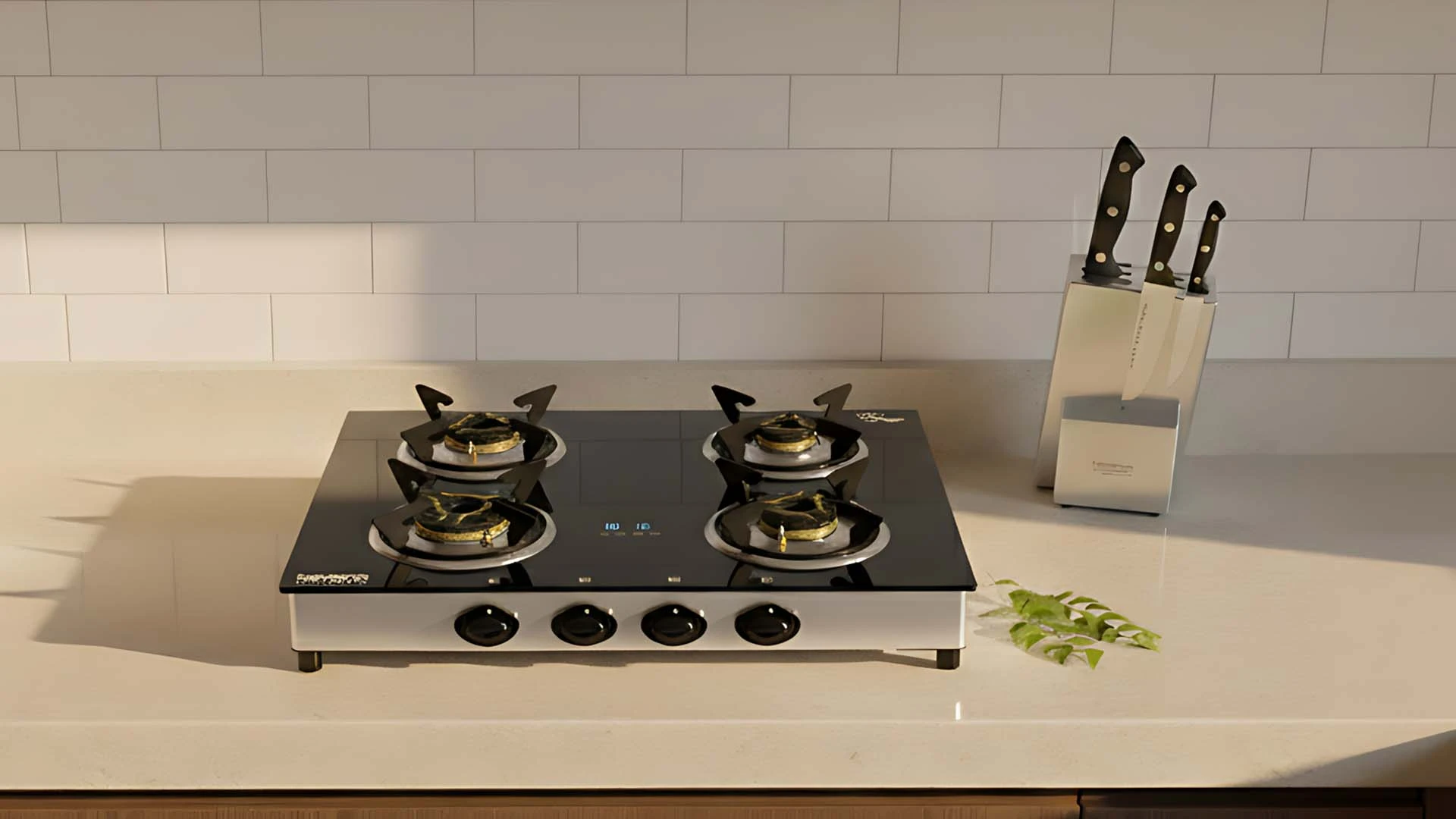
Creating a safe kitchen environment requires careful attention to proper stove placement and clearances. The importance of wall clearance behind stove installations cannot be overstated when it comes to preventing fires, protecting your home, and ensuring optimal appliance performance. Many homeowners overlook these critical safety requirements, leading to potential hazards that could have been easily avoided. Understanding proper stove clearance guidelines helps create a functional, safe cooking space that protects both your family and your investment in quality appliances.
Proper wall clearance behind your stove serves as the first line of defense against kitchen fires and heat damage. When cooking appliances operate without adequate spacing, intense heat can build up against walls, causing paint to blister, wood to char, and even ignition of combustible materials. The importance of wall clearance behind stove extends beyond immediate fire prevention. Inadequate clearance can void appliance warranties, create insurance liability issues, and significantly reduce the lifespan of your cooking equipment. Heat buildup affects appliance efficiency, forcing units to work harder and consume more energy.
Kitchen fires account for nearly half of all home fires, with improper appliance installation being a leading cause. Proper fire safety distance requirements exist because they save lives and property.
Walls and surrounding surfaces suffer permanent damage when exposed to excessive heat. Proper clearance prevents costly repairs and maintains your kitchen's appearance.
National Fire Protection Association guidelines establish minimum stove clearance requirements that vary based on appliance type and installation conditions. Most residential installations require a minimum of 6 inches clearance from combustible surfaces, though this can increase to 18 inches or more for high-BTU commercial-style ranges. Building codes differ by region, making it essential to check local requirements before installation. Some areas have stricter standards due to climate conditions or local fire safety concerns.
Gas ranges typically require 6-inch minimum clearance from combustible walls. High-output burners may need additional spacing.
Electric ranges often have similar requirements, while induction cooktops may allow slightly reduced clearances due to lower heat output.
High-BTU ranges require significantly more clearance, often 12-18 inches from combustible surfaces, due to their intense heat output.
Backsplash protection provides an additional safety layer when proper clearance cannot be achieved. Heat-resistant materials can reduce required clearances while maintaining safety standards. Stainless steel backsplashes offer excellent heat resistance and easy maintenance. They can reduce clearance requirements when properly installed with appropriate air gaps. Ceramic and porcelain tiles provide good heat resistance but require proper installation to prevent cracking from thermal expansion.
Choose materials rated for high-temperature exposure. Natural stone requires careful selection, as some types can crack under extreme heat.
Backsplash protection should extend at least 24 inches above the cooking surface and 6 inches beyond each side of the range.
Compact kitchen layout challenges require creative solutions that maintain safety without sacrificing functionality. Small kitchens can achieve proper cooking appliance spacing through strategic design choices. Corner installations need special attention to ensure adequate clearance on both adjacent walls. Consider angled installations or specialized corner units designed for tight spaces.
Utilize vertical space with properly positioned range hoods and storage solutions that maintain required clearances.
Separate cooktops and wall ovens can provide more flexibility in tight spaces while maintaining safety requirements.
Stove ventilation works hand-in-hand with clearance requirements to ensure safe operation. Adequate airflow prevents heat buildup and removes cooking byproducts that could pose health risks. Range hoods should be positioned 24-30 inches above the cooking surface for optimal performance. Proper ductwork sizing ensures efficient heat and smoke removal.
Even with mechanical ventilation, natural airflow around the appliance helps prevent heat accumulation.
Calculate CFM requirements based on your range's BTU output to ensure adequate ventilation capacity.
Stove installation guidelines require careful measurement and adherence to manufacturer specifications. Professional installation ensures compliance with local codes and warranty requirements. Measure clearances carefully before purchase to avoid costly modifications later. Consider hiring certified installers for gas appliances due to safety and legal requirements.
Avoid measuring from finished surfaces instead of structural elements. Account for tile thickness and other finishing materials in clearance calculations.
Have installations inspected by local authorities when required. This protects your investment and ensures insurance coverage.
Most residential ranges require 6 inches minimum clearance from combustible walls. High-output ranges may need 12-18 inches. Always check manufacturer specifications and local building codes.
Yes, approved heat shields can reduce required clearances. Use only UL-listed products installed according to manufacturer instructions. Maintain proper air gaps behind shields.
Gas and electric ranges typically have similar clearance requirements. Gas ranges may need additional considerations for gas line routing and ventilation.
Side clearances typically require 6 inches from combustible surfaces. Corner installations need adequate clearance on both adjacent walls.
Compact ranges follow the same basic clearance principles but may have specific manufacturer requirements. Check specifications for your exact model.
Inspect clearances annually and after any kitchen modifications. Look for heat damage, discoloration, or changes in surrounding materials.
Proper stove clearance and understanding the importance of wall clearance behind stove installations form the foundation of kitchen safety. Following established guidelines protects your home, family, and appliance investment while ensuring optimal performance. Whether designing a new kitchen or updating existing appliances, prioritize safety clearances alongside aesthetic and functional considerations. Professional installation and regular inspections maintain these safety standards throughout your appliance's lifespan.
