

Essential Kitchen Safety: Hob vs Gas Stove Checklist
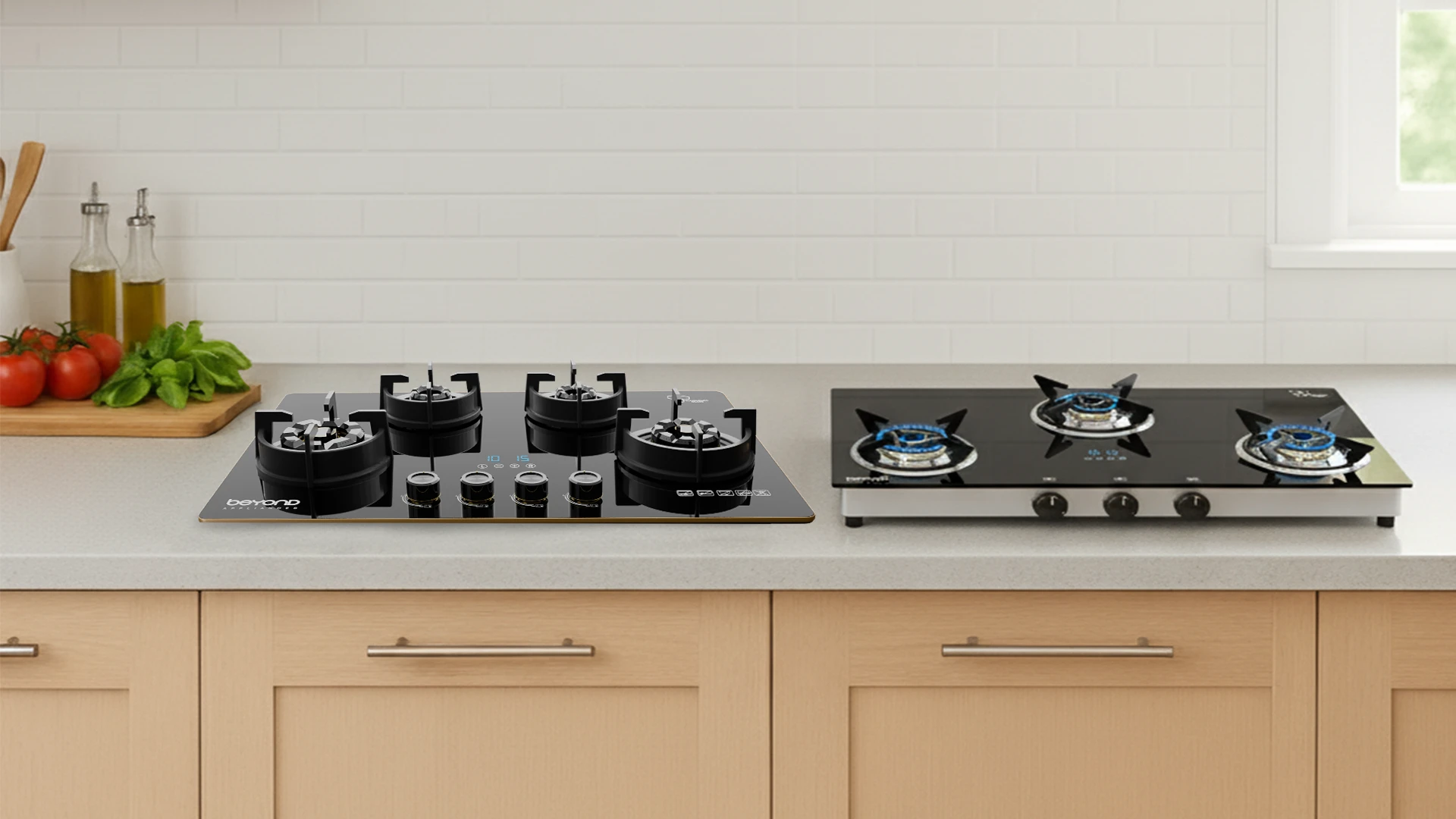
Kitchen safety should never be taken lightly. Every year, thousands of cooking-related accidents occur in homes across India, with many stemming from improper appliance use or inadequate safety measures. When choosing between a built-in hob vs gas stove safety, understanding the distinct safety profiles of each option becomes crucial for protecting your family and home. Modern compact kitchen appliances offer advanced safety features that traditional setups often lack. This comprehensive checklist will guide you through essential safety considerations, helping you make informed decisions about your cooking setup while ensuring maximum protection in your kitchen environment.
Built-in hobs represent a significant advancement in kitchen safety technology. These modern cooking surfaces integrate seamlessly into your countertop, eliminating many hazards associated with traditional standalone units. The streamlined design reduces accident risks while providing enhanced control over cooking processes.
Induction cooktop safety leads the market with electromagnetic heating technology. These surfaces remain cool to touch, dramatically reducing burn risks. Electric ceramic hobs offer consistent heating with visual indicators, while gas hobs provide instant flame control with modern safety mechanisms.
Automatic shut-off mechanisms prevent overheating and potential fires. Child safety locks disable controls when activated, protecting curious hands. Residual heat indicators warn users of hot surfaces long after cooking ends. Overflow protection systems detect spills and automatically reduce power or shut off burners.
Traditional gas stoves present unique safety challenges that require constant vigilance. Understanding these risks helps create safer cooking environments. Proper maintenance and awareness significantly reduce potential hazards associated with gas cooking systems.
Regular visual inspections should check for loose connections, damaged hoses, or corroded fittings. The distinctive smell of gas indicates potential leaks requiring immediate attention. Professional inspections every six months ensure system integrity and early problem detection.
Flame failure devices automatically shut off gas supply when flames extinguish unexpectedly. Proper ignition techniques prevent gas accumulation and potential explosions. Adequate ventilation removes combustion byproducts, while carbon monoxide detectors provide additional safety monitoring.
Proper installation forms the foundation of cooking safety. Different appliance types require specific installation protocols to ensure optimal performance and safety. Professional installation often proves essential for compliance with safety standards and warranty requirements.
Electrical requirements vary by hob type, with induction units requiring dedicated circuits. Ventilation specifications ensure proper heat dissipation and air quality. Countertop material compatibility prevents damage and ensures stable mounting. Professional installation guarantees compliance with local electrical codes.
Gas line safety requires certified technicians for connections and testing. Ventilation and clearance standards prevent heat buildup and ensure safe operation. Professional certification validates proper installation and system safety. Regular safety inspections maintain compliance with local regulations.
Safe cooking practices protect your family and property from accidents. Consistent application of safety protocols becomes second nature with regular practice. Both built-in hob safety and gas stove safety require attention to operational details.
• Inspect cooking surfaces before each use • Select appropriate cookware for your appliance type • Maintain proper temperature control throughout cooking • Never leave cooking unattended for extended periods • Keep flammable materials away from heat sources • Ensure adequate ventilation during cooking sessions
Fire suppression techniques differ between electrical and gas emergencies. Gas emergency shut-off procedures require immediate action and evacuation protocols. Electrical safety protocols include circuit breaker locations and proper disconnection methods. Understanding when to evacuate versus addressing issues prevents escalation of dangerous situations.
Regular maintenance preserves safety features and extends appliance lifespan. Preventive care identifies potential problems before they become safety hazards. Modern kitchen safety depends on consistent upkeep and professional servicing when required.
Daily cleaning removes grease buildup that could ignite during cooking. Weekly inspections check for loose connections, damaged components, or unusual odors. Monthly deep cleaning maintains optimal performance and identifies wear patterns. Annual professional maintenance ensures continued safety compliance.
Performance degradation indicators include uneven heating, delayed ignition, or unusual sounds. Safety feature malfunction signs require immediate professional attention. Age-related replacement guidelines typically recommend updates every 10-15 years for optimal safety and efficiency.
Compact kitchen appliances require special attention to space management and safety protocols. Limited space can create unique challenges that proper planning addresses effectively. Modern solutions optimize safety without compromising functionality in smaller kitchens.
Ventilation in compact spaces requires enhanced exhaust systems to manage heat and odors. Heat management prevents damage to nearby surfaces and appliances. Storage safety around cooking surfaces maintains clear pathways and reduces fire risks.
Smart safety monitoring systems provide real-time alerts and remote control capabilities. App-controlled safety features allow monitoring even when away from home. Integration with home safety systems creates comprehensive protection networks throughout your living space.
Built-in hobs generally offer superior safety features, especially induction models that remain cool to touch and include automatic shut-off mechanisms.
Automatic shut-off, child safety locks, residual heat indicators, and flame failure devices represent essential safety features for any cooking appliance.
Gas systems require professional inspection every six months, while electric systems benefit from annual professional maintenance and daily user inspections.
Induction hobs provide the highest safety level for families, with cool surfaces, child locks, and precise temperature control reducing accident risks.
Yes, induction cooktops eliminate open flames, gas leaks, and hot surfaces while providing precise temperature control and automatic safety features.
The choice between built-in hob vs gas stove safety ultimately depends on your specific needs, kitchen layout, and safety priorities. Built-in hobs, particularly induction models, offer advanced safety features that significantly reduce accident risks. However, properly maintained gas stoves with modern safety features can also provide safe cooking environments. Regular maintenance, proper installation, and consistent safety practices remain essential regardless of your chosen cooking method. Consider your family's needs, cooking habits, and safety requirements when making this important decision for your kitchen.
