

Essential Ductless Hood Maintenance Tips Checklist for Your Kitchen
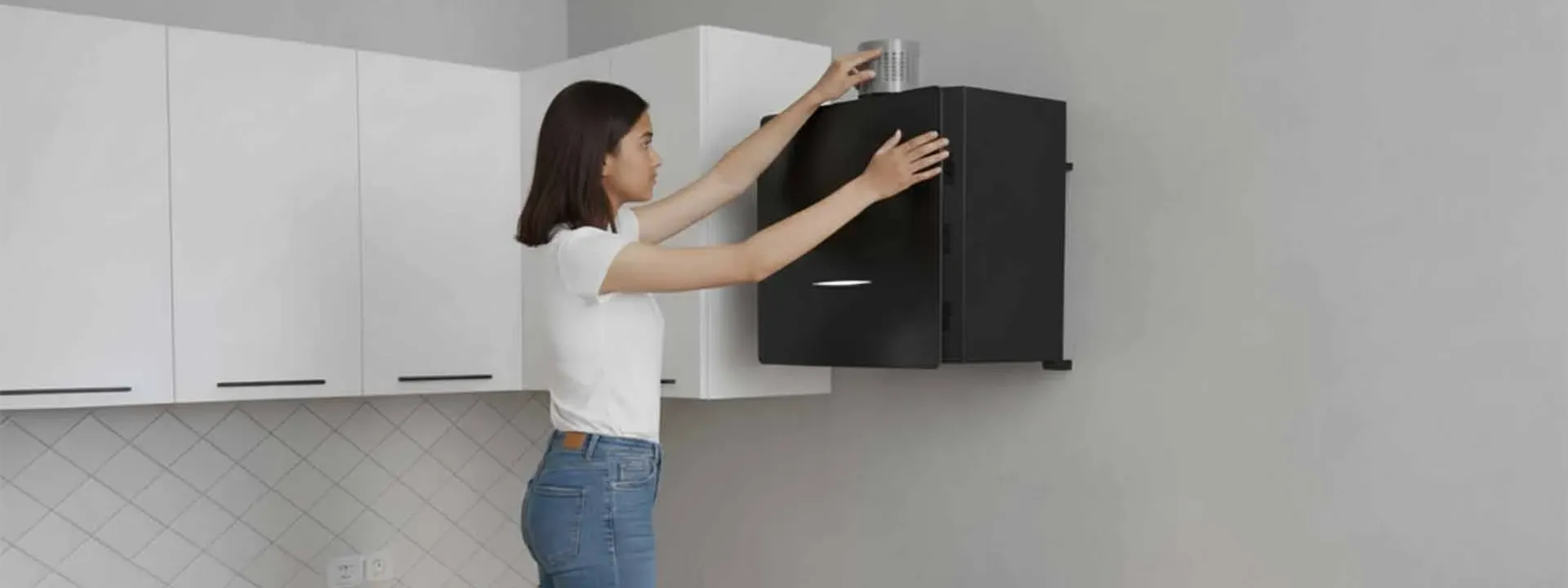
Maintaining your ductless range hood properly ensures optimal performance, extends its lifespan, and keeps your kitchen air clean and fresh. Unlike traditional ducted systems that vent air outside, ductless hoods recirculate filtered air back into your kitchen, making regular maintenance crucial for effective operation. This comprehensive checklist will guide you through essential ductless hood maintenance tips that every homeowner should follow to keep their ventless system running efficiently.
Before diving into maintenance routines, it's important to understand how your ductless system operates differently from traditional range hoods. This knowledge helps you perform more effective maintenance and identify potential issues early.
Ductless range hoods use a two-stage filtration process to clean cooking air before recirculating it back into your kitchen. The first stage involves metal grease filters that capture oil particles and cooking residue. The second stage uses activated carbon or charcoal filters to eliminate odors and smoke.
This recirculation technology means your ventless hood maintenance focuses heavily on filter care, as these components work harder than in ducted systems. Regular attention to both filter types ensures your hood continues removing cooking pollutants effectively.
Your ductless hood contains several components that need regular attention:
Metal grease filters - Capture oil and grease particles
Carbon filters - Remove odors and smoke
Fan motor housing - Requires cleaning to prevent buildup
Control panels - Need gentle cleaning to maintain functionality
LED lighting - Requires occasional bulb replacement and cleaning
Establishing daily habits significantly reduces the need for intensive cleaning sessions. Simple post-cooking practices keep your hood functioning optimally and prevent grease accumulation that can affect performance.
After each cooking session, wipe down the exterior surfaces with a damp microfiber cloth to remove any grease splatter or steam residue. Pay special attention to the area around the control buttons and the underside of the hood where grease tends to accumulate most.
Check visible filter areas for excessive grease buildup, especially after cooking oily or fried foods. This quick inspection helps you identify when filters need immediate attention rather than waiting for scheduled cleaning.
Listen for any unusual sounds during operation, such as rattling, grinding, or excessive vibration. These noises often indicate loose components or filter issues that need addressing. Also, observe the airflow strength to ensure your hood maintains consistent suction power.
Verify that all control functions work properly, including fan speed settings and lighting. Early detection of control issues prevents more serious problems from developing.
Weekly filter maintenance forms the backbone of effective ductless range hood cleaning. This routine prevents grease buildup that can reduce efficiency and create unpleasant odors in your kitchen.
Remove metal grease filters carefully by releasing the clips or sliding mechanisms. Most filters can be cleaned in your dishwasher on a hot cycle, or you can hand wash them using these effective methods:
Baking soda solution - Mix 2 tablespoons of baking soda with hot water for gentle degreasing
Dish soap method - Use concentrated dish soap with hot water for moderate grease
Vinegar solution - Combine equal parts white vinegar and hot water for stubborn buildup
Allow filters to air dry completely before reinstalling. Wet filters can damage the motor and reduce efficiency.
Clean the hood exterior using appropriate products for your specific material. Stainless steel hoods benefit from specialized cleaners that prevent streaking, while painted surfaces require gentler solutions to avoid damage.
Focus on the control panel area, using a slightly damp cloth to clean around buttons without allowing moisture to penetrate the electronics. Replace any burnt-out LED bulbs promptly to maintain adequate cooking area lighting.
Carbon filter replacement represents the most critical aspect of ventless hood maintenance. Unlike metal filters that can be cleaned indefinitely, carbon filters have a limited lifespan and must be replaced regularly.
Carbon filters typically need replacement every 3-6 months, depending on cooking frequency and food types. Heavy cooking, especially frying and grilling, requires more frequent replacement. Signs indicating immediate replacement include persistent odors even after cleaning, visible saturation of the carbon material, and reduced air circulation.
Metal grease filters can be cleaned indefinitely but should be replaced if they become damaged, warped, or develop holes that allow grease to bypass the filtration system.
When installing new carbon filters, ensure correct orientation according to manufacturer markings. Most filters have directional arrows indicating proper airflow direction. Secure all clips and fasteners properly to prevent filter movement during operation.
Check that filters fit snugly without gaps that could allow unfiltered air to recirculate. Poor installation reduces filtration efficiency and can cause premature filter saturation.
Beyond regular cleaning and filter replacement, comprehensive range hood care involves monitoring performance and addressing issues before they become serious problems. Understanding common issues helps you maintain optimal operation.
Reduced suction power often indicates clogged filters or motor issues. Start by checking and cleaning all filters before considering motor problems. Excessive noise usually stems from loose components, worn bearings, or debris in the fan housing.
If your hood struggles to eliminate cooking odors, the carbon filter likely needs replacement, or you may need to increase the fan speed during cooking. Lighting problems typically involve simple bulb replacement or loose electrical connections.
Some maintenance tasks require professional attention. Contact a qualified technician if you notice motor vibration that cleaning doesn't resolve, electrical issues beyond simple bulb replacement, or persistent performance problems despite proper filter maintenance.
Annual professional inspection ensures your hood operates safely and efficiently, especially for units under warranty where DIY repairs might void coverage.
Modern kitchen designs often feature compact kitchen ventilation solutions that require specific maintenance approaches. Understanding these unique requirements helps maximize performance in smaller spaces.
In compact kitchens, proper hood sizing becomes crucial for effective ventilation. Ensure your hood covers at least the width of your cooking surface, and consider models with higher CFM ratings to compensate for recirculation limitations.
Position your hood at the correct height - typically 24-30 inches above electric cooktops and 30-36 inches above gas ranges. Proper positioning improves capture efficiency and reduces the workload on filters.
Adjust your maintenance frequency based on seasonal cooking patterns. Holiday cooking periods require more frequent filter cleaning due to increased usage and heavier cooking methods. Summer cooking might focus more on odor elimination, while winter cooking often involves more grease-producing methods.
Consider keeping spare carbon filters on hand during peak cooking seasons to ensure uninterrupted performance when replacement becomes necessary.
Clean metal grease filters weekly with regular cooking or after every 10-15 cooking sessions. Replace carbon filters every 3-6 months depending on usage frequency and cooking methods.
Hot water with concentrated dish soap works for regular cleaning. For heavy grease buildup, use a baking soda paste or white vinegar solution. Avoid harsh chemicals that might damage filter materials.
Yes, most metal grease filters are dishwasher-safe. Use the hottest setting without heated dry to prevent warping. Check your manual for specific manufacturer recommendations.
Replace carbon filters when odors persist despite cleaning, when the filter appears saturated or discolored, or according to the manufacturer's timeline - typically every 3-6 months.
Common causes include saturated carbon filters, clogged grease filters, incorrect installation, or insufficient fan speed for your cooking methods. Check and replace filters first.
Carbon filter replacement typically costs INR 800-2500 depending on the model and brand. Metal grease filters rarely need replacement unless damaged, making maintenance very cost-effective.
Regular maintenance keeps your ductless range hood operating efficiently and extends its lifespan significantly. Focus on weekly filter cleaning, monthly carbon filter replacement, and daily exterior maintenance for optimal performance. Remember that consistent care prevents major issues and ensures your kitchen maintains excellent air quality.
By following this comprehensive maintenance checklist, you'll enjoy years of reliable service from your ductless hood while maintaining a clean, comfortable cooking environment. Proper maintenance not only preserves your investment but also ensures your kitchen remains a pleasant space for cooking and entertaining.
