

Essential Cooktop Buying Checklist: What to Know
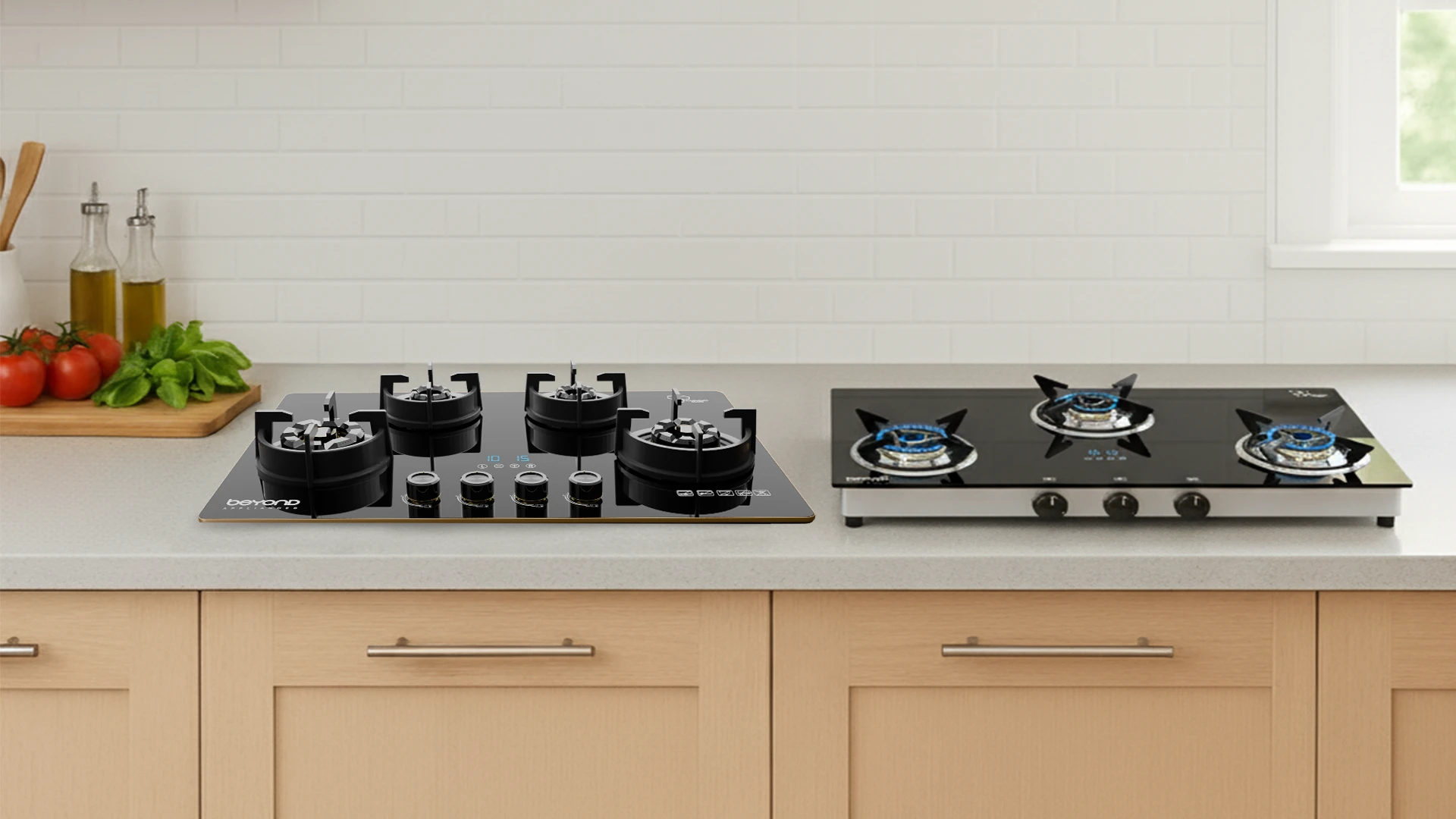
Choosing the right cooktop for your kitchen can transform your cooking experience. Whether you're upgrading from an old gas stove or setting up a new kitchen, the right cooktop brings convenience, efficiency, and style to your daily cooking routine. Modern kitchens demand appliances that blend functionality with sleek design, and today's cooktops deliver exactly that. From compact solutions for small apartments to full-sized units for large families, understanding your options helps you make the best choice for your home and cooking style.
The kitchen cooktop market offers three main technologies, each with distinct advantages. Gas, electric, and induction cooktops serve different cooking preferences and kitchen setups. Your choice depends on factors like cooking style, energy costs, and kitchen infrastructure.
Gas cooktops provide instant heat control with visible flames. You can adjust temperature immediately, making them ideal for techniques requiring quick heat changes. Most cookware works perfectly with gas burners, and they continue working during power outages. Installation requires proper gas line connections and adequate ventilation for safety.
Electric cooktops offer smooth, easy-to-clean surfaces that complement modern kitchen designs. They provide consistent, even heating across the cooking surface. Many models include safety features like residual heat indicators and automatic shut-off functions. Electric units work well in apartments where gas connections aren't available.
Induction cooktops use electromagnetic fields to heat cookware directly, making them incredibly energy-efficient. They offer precise temperature control and rapid heating. The cooktop surface stays relatively cool, reducing burn risks. However, they require magnetic cookware like cast iron or stainless steel.
Cooktop size significantly impacts your cooking efficiency and kitchen layout. Consider your available counter space, family size, and cooking frequency when selecting dimensions. Standard sizes range from compact single-burner units to large four-burner configurations.
Small cooktops and portable cooktops work perfectly for apartments, dorms, or outdoor cooking. These countertop stoves don't require permanent installation and offer flexibility for temporary setups. Single or double-burner models provide adequate cooking space for individuals or couples.
Compact cooktops with three or four burners suit most family kitchens. Four-burner models allow simultaneous cooking of multiple dishes, while three-burner units save space without sacrificing much functionality. Consider burner size variations for different pot and pan sizes.
Today's modern cooktops include advanced features that enhance safety, convenience, and cooking precision. Look for models with intuitive controls, safety mechanisms, and easy maintenance features. Quality construction ensures long-lasting performance and reliability.
Automatic ignition systems eliminate the need for matches or lighters on gas models. Touch controls provide precise temperature adjustment and often include timer functions. Child safety locks prevent accidental activation, while auto shut-off features enhance kitchen safety.
Smooth glass or ceramic surfaces clean easily with standard kitchen cleaners. Sealed burners on gas models prevent spills from reaching internal components. Quality materials resist scratches, stains, and heat damage, maintaining appearance over years of use.
Proper installation ensures safe operation and optimal performance of your new cooktop. Different types require specific utilities and clearances. Professional installation often provides warranty protection and ensures compliance with local building codes.
Electric and induction models need adequate electrical supply, typically 220-240 volts for full-sized units. Gas cooktops require proper gas line connections and may need professional plumbing work. Adequate ventilation helps remove cooking odors and heat from your kitchen.
Measure your available counter space carefully, including clearances around the cooktop. Most models require specific cutout dimensions for built-in installation. Consider nearby cabinet materials and ensure adequate heat clearance for safety.
Cooktop prices vary significantly based on size, features, and technology. Setting a realistic budget helps narrow your options while ensuring you get necessary features. Consider long-term operating costs, including energy efficiency and maintenance requirements.
Basic models starting around INR 5,000 provide essential cooking functionality. Portable electric or gas units offer affordability for temporary setups. These options work well for students, renters, or occasional cooking needs.
Cooktops in the INR 10,000 to INR 25,000 range offer better build quality and additional features. These models typically include safety features, better controls, and more durable construction. They provide excellent value for regular home cooking.
High-end cooktops above INR 25,000 feature advanced technology, superior materials, and comprehensive warranties. Professional-grade models offer restaurant-quality performance for serious home cooks. Consider these investments for heavy daily use or gourmet cooking.
Gas cooktops remain popular for Indian cooking due to instant heat control and compatibility with traditional cookware. However, induction models offer excellent efficiency for pressure cooking and precise temperature control for delicate preparations.
Standard four-burner cooktops require approximately 24-30 inches of counter width. Add at least 6 inches clearance on each side for safety and convenience. Compact models need proportionally less space.
Electric cooktops with standard plugs allow DIY installation if you're comfortable with basic electrical work. Gas cooktops require professional installation for safety and warranty compliance. Always check local building codes.
Cooktop and hob refer to the same appliance - the cooking surface separate from an oven. "Hob" is more commonly used in British English, while "cooktop" is standard in American English.
Quality cooktops last 10-15 years with proper maintenance. Gas models often have longer lifespans due to simpler mechanisms. Regular cleaning and careful use extend appliance life significantly.
Selecting the right cooktop involves balancing your cooking needs, kitchen space, and budget constraints. Consider your cooking style, family size, and long-term plans when making this important kitchen investment. Quality cooktops enhance your cooking experience while adding value to your home. Take time to research features, read reviews, and visit showrooms to see models in person. With proper selection and installation, your new cooktop will serve your family's cooking needs for many years to come.
