

Essential Chimney Height Checklist for Stoves
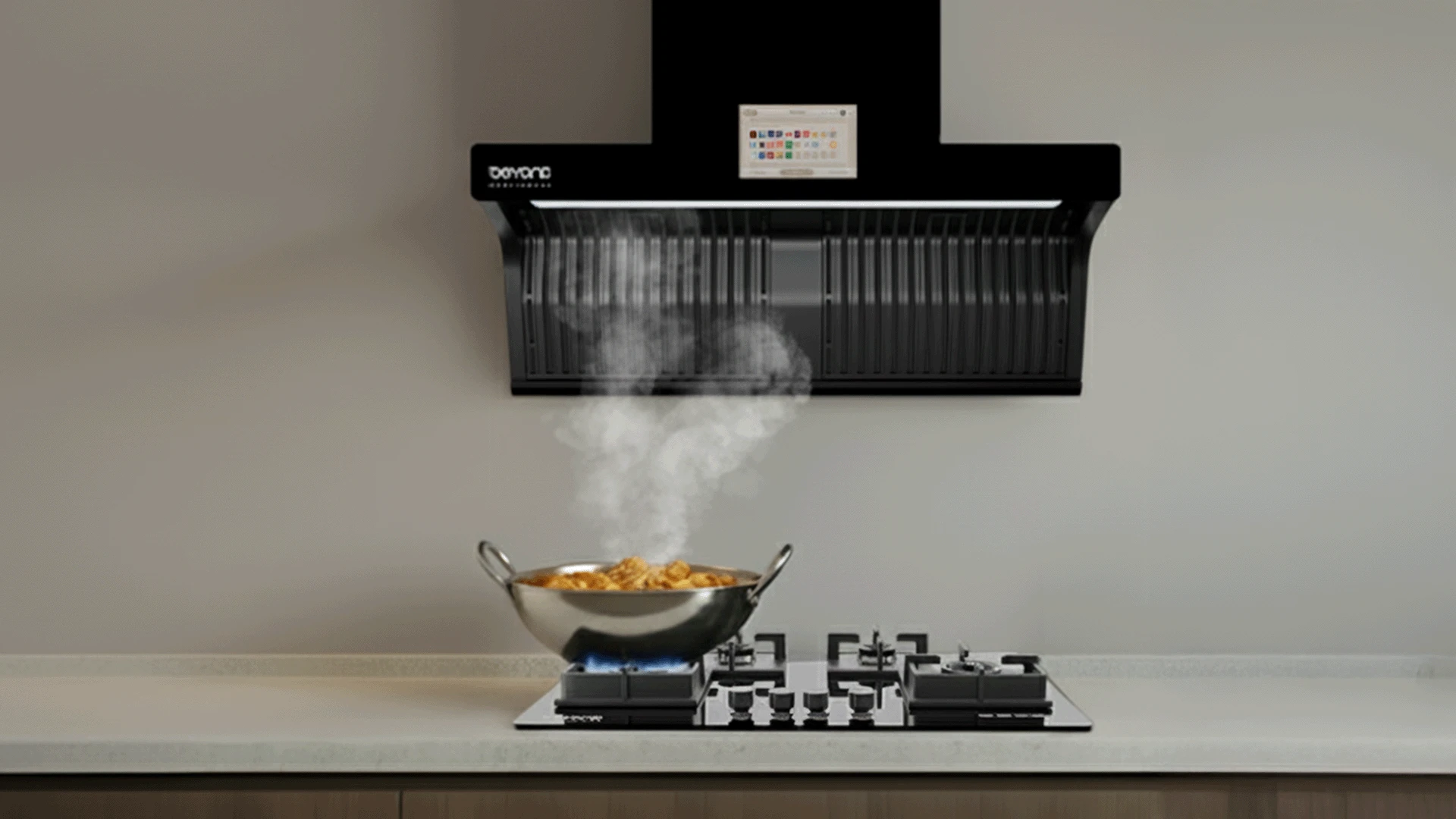
Getting the chimney height from stove right is crucial for both safety and performance. Whether you're installing a kitchen chimney above your gas stove or setting up a wood stove chimney system, proper height ensures optimal smoke capture, prevents fire hazards, and maximizes cooking efficiency. This comprehensive checklist covers everything from standard measurements to safety regulations, helping you achieve the perfect installation for your specific needs.
Proper chimney height varies significantly depending on your stove type and cooking requirements. Kitchen chimneys and wood stove chimneys follow different rules and regulations, each designed for specific safety and performance standards.
Kitchen chimneys typically require a height of 24-30 inches above the cooking surface for optimal performance. This range ensures effective smoke and grease capture without interfering with your cooking activities. Wood stove chimneys follow the 3-2-10 rule, requiring specific clearances from roof structures and minimum heights for proper draft.
Correct height directly impacts suction efficiency, ensuring smoke and cooking odors are effectively removed from your kitchen. Safety considerations include preventing fire hazards from excessive heat exposure and maintaining adequate clearance for safe cooking. Performance benefits include better air circulation and reduced energy consumption.
Different stove types require specific optimal chimney height measurements to function effectively. Understanding these requirements helps ensure proper installation and long-term performance.
For gas stoves, the standard range is 24-30 inches from the cooking surface. Indian cooking styles often benefit from 26-28 inches due to higher flame usage and oil-based cooking methods. Heavy-duty cooking may require the upper end of this range for optimal smoke capture. Consider your cooking frequency and style when determining the exact height.
Electric stoves typically require 28-32 inches of clearance due to different heat distribution patterns. The absence of open flames allows for slightly higher installation without compromising safety. Electrical safety considerations include ensuring adequate clearance from heating elements and proper ventilation around electrical components.
Wood stove installations must follow the 3-2-10 rule: extend 3 feet above the roof exit point and 2 feet higher than any roof structure within 10 feet horizontally. Minimum chimney height requirements ensure proper draft for safe operation. Building code compliance is mandatory for insurance and safety purposes.
Accurate measurement is essential for proper stove chimney height installation. Follow this systematic approach to ensure optimal results.
Measure your cooking area dimensions, including ceiling height and available space. Identify your stove type and cooking requirements to determine appropriate height ranges. Evaluate kitchen layout for optimal chimney positioning and accessibility for maintenance.
Use standard measurement techniques, measuring from the cooking surface to the bottom of the chimney. Adjust for your specific cooking style and frequency of use. Calculate safety clearances ensuring adequate space for safe operation. Position the chimney center above your cooking area for maximum effectiveness.
Double-check all measurements before final installation to avoid costly mistakes. Verify safety compliance with local building codes and manufacturer recommendations. Test performance optimization through proper positioning and height adjustment.
Several factors influence the ideal chimney length for your specific installation. Consider these elements when determining your final height.
High-flame cooking requires lower installation heights for better smoke capture efficiency. Traditional cooking methods with heavy oil use benefit from the lower end of recommended ranges. Daily usage patterns affect optimal height selection, with frequent cooking requiring more precise positioning.
Compact kitchens may require creative solutions within standard height ranges. Modern design integration should balance aesthetics with functionality. Ceiling height limitations may restrict installation options, requiring professional consultation. Cabinet clearance requirements must be maintained for safety and accessibility.
Burner configuration impacts optimal height selection for complete coverage. Chimney size for stove compatibility ensures adequate suction power for your cooking needs. Match chimney capacity with stove output for optimal performance and energy efficiency.
Understanding common installation errors helps prevent safety hazards and performance issues. Learn from these frequent mistakes to ensure successful installation.
Installing chimneys too low creates fire hazards from excessive heat exposure. Reduced cooking clearance makes food preparation difficult and unsafe. Overheating issues can damage both the chimney and surrounding kitchen components. Grease accumulation increases when height is insufficient for proper ventilation.
Too high installation weakens suction performance, reducing smoke capture efficiency. Energy efficiency decreases when chimneys are positioned beyond optimal ranges. Installation complexity increases with excessive height, requiring additional support structures. Aesthetic concerns arise when chimneys dominate kitchen visual space.
Uneven smoke capture occurs when chimneys are not properly centered above cooking areas. Performance degradation results from poor positioning relative to heat sources. Safety implications include inadequate coverage of all cooking zones.
Compliance with safety standards ensures proper installation and long-term safety. Understanding these requirements prevents costly mistakes and potential hazards.
Minimum clearance requirements vary by stove type and local regulations. Fire safety protocols include proper heat-resistant materials and adequate ventilation. Electrical safety standards apply to powered chimney systems and lighting components. Ventilation requirements ensure proper air circulation and indoor air quality.
Local building code compliance is mandatory for legal installation. Professional inspection requirements ensure safety and proper installation. Insurance considerations may require specific height and clearance standards. Permit requirements vary by location and installation complexity.
The standard height for a kitchen chimney above a gas stove is 24-30 inches. This range ensures optimal smoke capture while maintaining safe cooking clearance. For Indian cooking styles, 26-28 inches is often recommended due to higher flame usage.
Wood stove chimneys must follow the 3-2-10 rule: extend 3 feet above the roof exit point and 2 feet higher than any roof structure within 10 feet horizontally. This ensures proper draft and safety compliance.
While 32 inches exceeds standard recommendations for gas stoves, it may be acceptable for specific situations. However, this height might reduce suction efficiency and should be evaluated based on your cooking needs and chimney specifications.
Low ceilings may limit installation options, requiring careful measurement to maintain proper clearances. High ceilings offer more flexibility but may require additional support for optimal positioning.
Incorrect height can cause poor smoke capture, safety hazards, reduced efficiency, and potential building code violations. Professional assessment is recommended for significant height adjustments.
Proper chimney height from stove installation requires careful consideration of stove type, cooking style, and safety requirements. Standard heights of 24-30 inches work for most kitchen applications, while wood stoves require specific regulatory compliance. Always prioritize safety over aesthetics, and consult professionals when in doubt about proper installation heights. Regular maintenance and performance monitoring ensure your chimney continues operating at optimal efficiency regardless of installation height.
