

Essential Chimney Checklist for High-Rise Living
Living in a high-rise apartment doesn't mean you have to compromise on kitchen ventilation or cozy fireplace ambiance. Modern chimney solutions have evolved to meet the unique challenges of apartment living, from space constraints to building regulations. Whether you're dealing with a compact galley kitchen or dreaming of a fireplace in your urban dwelling, the right chimney for high rise apartments can transform your living experience. This comprehensive checklist will guide you through everything you need to know about selecting, installing, and maintaining chimney systems in high-rise buildings, ensuring you make informed decisions that comply with safety standards while maximizing functionality in your space.
Navigating the regulatory landscape for apartment chimney installations requires careful attention to building codes and safety standards. High-rise buildings operate under stricter regulations than single-family homes due to fire safety concerns and structural considerations. Building codes typically mandate that chimney height must not exceed 4.5 times the narrowest dimension of the structure. For apartments, this often means working within specific height limitations that vary by building design. Fire safety requirements include maintaining proper clearances from combustible materials and ensuring adequate ventilation to prevent carbon monoxide buildup. The approval process involves multiple stakeholders. Your building management or HOA must approve any chimney installation, and many require professional assessments before granting permission. Some buildings have pre-approved chimney models that streamline the process. Chimney code apartments must also comply with local fire department regulations, which may include specific requirements for high-rise structures. Structural considerations become critical in apartment installations. The building's load-bearing capacity, existing ventilation systems, and electrical infrastructure all impact chimney selection. Professional evaluation ensures your chosen system integrates safely with the building's existing framework.
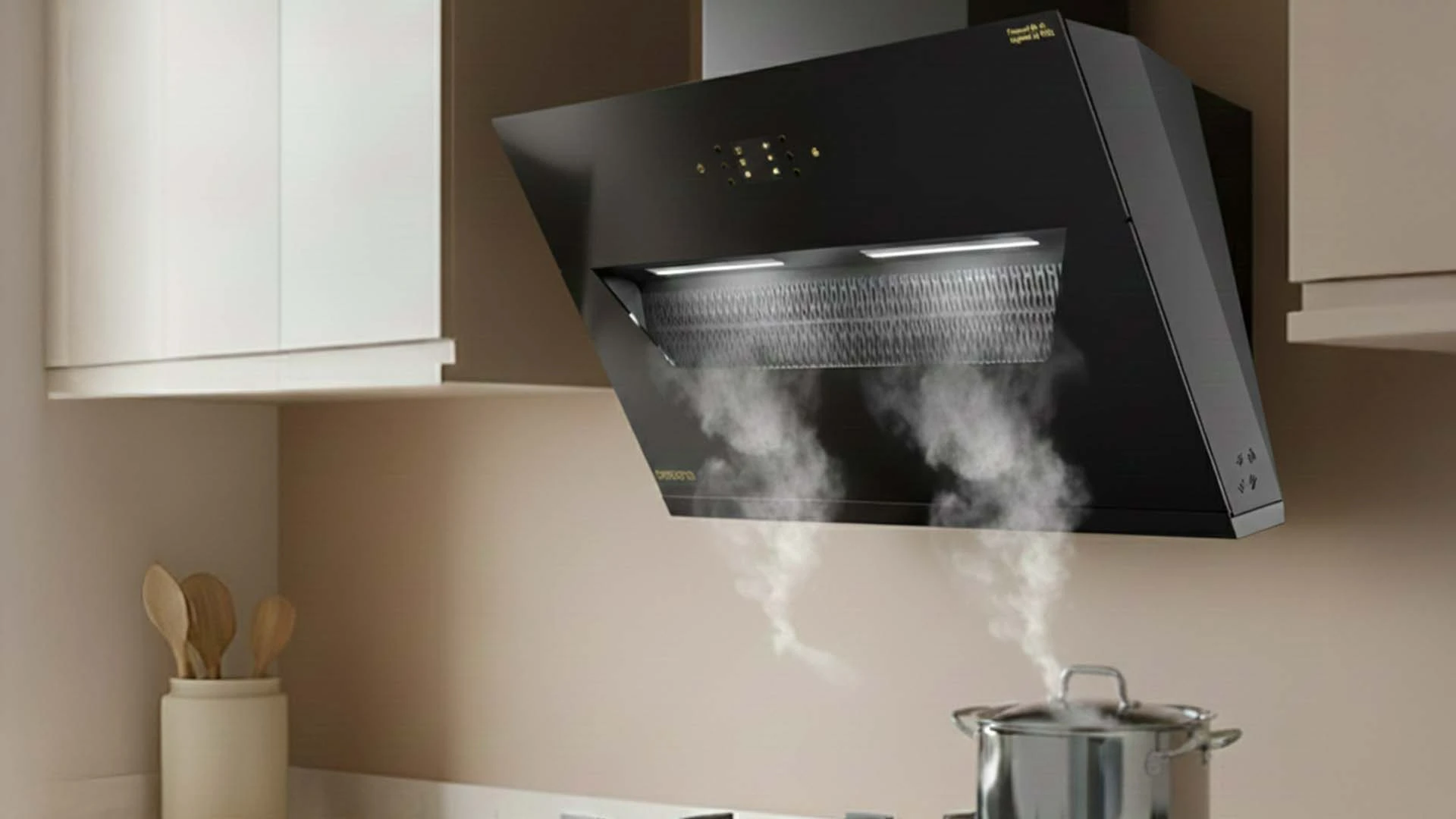
Modern compact chimney solutions address the unique challenges of apartment living through innovative design and technology. Understanding your options helps you select the perfect system for your space and lifestyle needs. Wall-mounted chimneys represent the most popular choice for apartment kitchens. These space-efficient units mount directly to the wall above your cooking surface, making them ideal for galley kitchens where every inch matters. Modern chimney design in wall-mounted units often features sleek profiles that complement contemporary apartment aesthetics while delivering powerful suction capabilities.
Ductless systems offer exceptional flexibility for apartments without external venting options. These units filter and recirculate air rather than exhausting it outside, making installation simpler and more cost-effective.
For open-concept apartments with kitchen islands, ceiling-mounted island chimneys provide effective ventilation without compromising the open feel of your space.
BLDC (Brushless Direct Current) motors have revolutionized apartment chimney performance. These systems operate significantly quieter than traditional motors, addressing noise concerns in close-quarter living situations. The apartment flue system benefits from BLDC technology through improved energy efficiency and longer lifespan.
Traditional fireplaces face significant challenges in high-rise apartments, but modern chimney alternatives apartments offer compelling solutions that bring warmth and ambiance to urban living spaces. Electric fireplaces lead the category of ventless fireplace apartment solutions. These units require no chimney or external venting, making installation straightforward and building approval easier to obtain. Modern electric fireplaces feature realistic flame effects and efficient heating capabilities suitable for apartment-sized spaces. Bioethanol fireplaces represent another innovative option for apartment dwellers. These clean-burning units produce real flames without requiring ventilation systems, though proper room ventilation remains important for air quality. Their contemporary designs complement modern apartment aesthetics while providing the ambiance of a real fire.
Recirculating systems filter cooking odors and smoke without requiring external ducting, making them perfect for buildings with limited venting options.
Small space fireplace options include corner units, wall-mounted models, and compact freestanding designs that maximize impact while minimizing footprint.
High rise ventilation systems in modern buildings often integrate multiple technologies to ensure optimal air quality and comfort. Understanding these systems helps you select chimney solutions that work harmoniously with your building's existing infrastructure. Mechanical ventilation systems in high-rises create complex air pressure dynamics that affect chimney performance. Your chimney system must account for these pressures to function effectively. Professional assessment ensures compatibility between your chosen chimney and the building's ventilation infrastructure. Solar chimney technology offers passive ventilation benefits in high-rise applications. These systems use solar energy to create natural air circulation, reducing energy consumption while improving air quality. Integration with traditional kitchen chimneys can enhance overall ventilation effectiveness.
Some high-rise buildings feature shared flue systems that multiple apartments can connect to, reducing individual installation complexity.
Tall buildings experience stack effect, where air naturally rises through the structure. Understanding this phenomenon helps optimize chimney placement and performance.
Chimney installation apartments requires specialized expertise due to the unique challenges of high-rise environments. Professional assessment forms the foundation of successful installation, evaluating structural capacity, electrical requirements, and building code compliance. Permit requirements vary by location and building type, but most high-rise installations require formal approval from building management and local authorities. The permit process typically involves submitting detailed installation plans, product specifications, and professional certifications. Ductwork routing in high-rise buildings presents unique challenges. Existing utility chases, structural elements, and neighboring units all impact routing options. Professional installers understand these constraints and can design efficient routing solutions that minimize disruption while maximizing performance.
Modern chimney systems require dedicated electrical circuits with appropriate amperage ratings. BLDC systems typically have lower power requirements than traditional motors.
Installation scheduling must coordinate with building management policies, elevator reservations, and neighbor considerations to minimize disruption.
Investing in the right chimney system for your high-rise apartment involves balancing upfront costs with long-term benefits. Understanding the complete cost picture helps you make informed decisions that deliver lasting value. Price ranges for apartment-suitable chimneys typically span from INR 15,000 for basic wall-mounted units to INR 1,50,000 for premium island systems with advanced features. Compact chimney solutions often provide excellent value by maximizing functionality within budget constraints. Installation costs vary significantly based on complexity, with simple wall-mounted units requiring minimal installation investment while island or custom installations may require substantial additional investment. Professional installation ensures optimal performance and warranty compliance.
BLDC motor systems typically consume 50-70% less energy than traditional motors, providing significant long-term savings on electricity bills.
Regular maintenance costs include filter replacements, professional cleaning, and occasional motor servicing, typically ranging from INR 2,000 to INR 8,000 annually.
Proper maintenance ensures your apartment chimney system operates efficiently while extending its lifespan. Developing a regular maintenance routine prevents common issues and maintains optimal performance. Monthly cleaning schedules should include wiping down exterior surfaces, checking filter condition, and testing all operational functions. Grease filters require cleaning every 2-3 weeks depending on cooking frequency, while carbon filters in ductless systems need replacement every 3-6 months. Auto-clean features in modern chimneys reduce maintenance requirements but still need periodic attention. These systems typically require monthly activation and occasional manual cleaning of collection chambers.
BLDC systems require minimal maintenance for noise control, but regular cleaning prevents buildup that can increase operational noise.
Scheduling professional maintenance in high-rise buildings requires coordination with building management for access and timing.
Chimney height in apartments must not exceed 4.5 times the narrowest dimension of the building structure. Most apartment chimneys range from 2-4 feet in height, depending on ceiling height and building regulations.
Yes, BLDC chimneys offer significant advantages for apartments including quieter operation, lower energy consumption, and longer lifespan. These features make them ideal for close-quarter living situations.
The main types include wall-mounted chimneys, ductless systems, island chimneys, and compact under-cabinet models. Each type addresses specific apartment layout and ventilation requirements.
Traditional wood-burning fireplaces are typically not permitted in high-rise apartments due to safety and ventilation concerns. Electric and bioethanol alternatives provide fireplace ambiance without requiring traditional chimney systems.
Ducted chimneys exhaust air outside the building, while ductless systems filter and recirculate air within the apartment. Ductless systems are easier to install but may be less effective for heavy cooking.
Installation costs range from INR 5,000 for simple wall-mounted units to INR 25,000 for complex island installations, depending on ductwork requirements and building access challenges.
Selecting the right chimney system for your high-rise apartment requires careful consideration of building regulations, space constraints, and lifestyle needs. Modern compact chimney solutions offer excellent performance while addressing the unique challenges of apartment living. Whether you choose a wall-mounted unit for your galley kitchen or explore ventless fireplace alternatives for ambiance, proper planning and professional installation ensure optimal results. Remember that compliance with building codes and HOA requirements forms the foundation of any successful installation, while regular maintenance preserves performance and extends system life. By following this comprehensive checklist, you can confidently navigate the process of bringing effective ventilation and cozy ambiance to your high-rise home.
