

Essential Checklist: Understanding How Cooktops Work
Modern kitchens have evolved beyond traditional cooking methods, with cooktops becoming the heart of culinary creativity. Understanding how cooktops work is essential for making informed decisions about your kitchen setup. Whether you're renovating your kitchen or upgrading your cooking appliances, knowing the mechanics behind different cooktop types helps you choose the perfect solution for your cooking needs. This comprehensive guide breaks down everything you need to know about cooktop functionality, from basic operations to advanced features that make cooking more efficient and enjoyable.
Cooktops are standalone cooking surfaces that provide direct heat for cooking food in pots and pans. Unlike traditional ranges that combine an oven and stovetop, cooktops offer flexibility in kitchen design and installation. The basic principle behind how cooktops work involves converting energy from electricity, gas, or electromagnetic fields into heat that transfers to your cookware.
Every cooktop contains essential components that work together to create controlled heat. The heating elements or burners serve as the primary heat source, while control systems regulate temperature and power output. Safety mechanisms include automatic shutoff features, overheat protection, and child locks. Power sources vary by type, with gas cooktops using natural gas or propane, electric models using standard household current, and induction units creating electromagnetic fields.
Cooktops use three main heat transfer methods: conduction, convection, and radiation. Gas cooktops primarily use convection and radiation as flames heat the air around cookware and emit infrared energy. Electric cooktops rely on conduction, transferring heat directly through contact with heating elements. Induction cooktops create electromagnetic fields that generate heat directly in compatible cookware, making them the most energy-efficient option available.
Understanding different cooktop types helps you select the best option for your cooking style and kitchen requirements. Each technology offers unique advantages in terms of performance, efficiency, and maintenance needs. Modern cooktops incorporate advanced features that enhance cooking precision and safety.
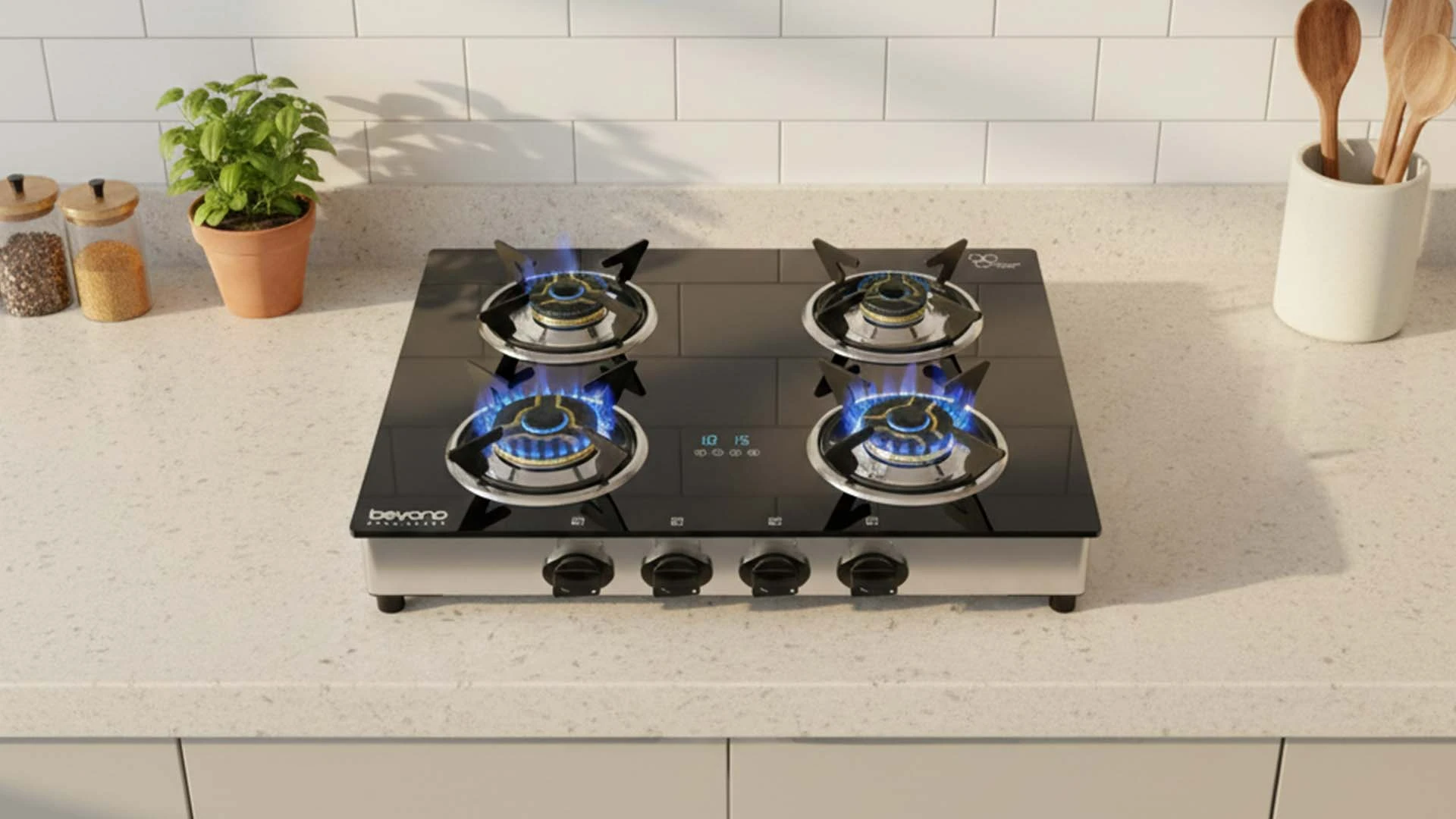
Gas cooktops burn natural gas or propane to create open flames that provide instant heat control. BTU ratings indicate the heat output capacity, with higher ratings offering more powerful cooking performance. Modern gas cooktops feature electronic ignition systems that eliminate the need for pilot lights, improving safety and energy efficiency. The visible flame allows precise temperature adjustments and works with all types of cookware.
Electric cooktops come in two main styles: traditional coil elements and smooth ceramic glass surfaces. Coil elements heat up when electricity passes through metal coils, while ceramic cooktops use radiant heating elements beneath a smooth glass surface. Electric cooktops offer consistent heat distribution and are easier to clean than gas models, though they take longer to heat up and cool down.
Induction cooktops represent the latest advancement in cooking technology. They use electromagnetic fields to heat compatible cookware directly, making them incredibly energy-efficient. The cooktop surface stays relatively cool, reducing burn risks and making cleanup easier. Induction technology offers precise temperature control and rapid heating, though it requires magnetic cookware made from materials like cast iron or stainless steel.
Portable cooktops provide flexibility for small kitchens, outdoor cooking, or temporary cooking setups. Single-burner electric units plug into standard outlets and work well for basic cooking tasks. Portable induction models offer advanced features in compact designs. Butane-powered portable cooktops provide gas cooking capabilities without permanent installation requirements.
Modern cooktops incorporate numerous features designed to improve cooking performance, safety, and convenience. Understanding these cooktop features helps you identify which options best match your cooking needs and lifestyle preferences.
Cooktop controls range from traditional knobs to advanced touch panels. Touch controls offer precise temperature settings and are easier to clean, while knobs provide tactile feedback that some cooks prefer. Timer functions automatically shut off burners after set periods, preventing overcooking and improving safety. Multiple heat zones allow different cooking temperatures simultaneously, perfect for preparing complex meals.
Modern cooktops include comprehensive safety features that protect users and prevent accidents. Child locks disable controls to prevent accidental activation. Overheat protection systems automatically reduce power or shut off burners when temperatures exceed safe limits. Residual heat indicators warn when surfaces remain hot after cooking, preventing accidental burns.
Smart cooktops connect to home Wi-Fi networks, allowing remote control through smartphone apps. Voice activation compatibility works with popular smart home systems for hands-free operation. Energy monitoring features track power consumption and provide insights into cooking efficiency. Some models offer recipe guidance and automatic cooking programs for consistent results.
Proper cooktop installation ensures safe operation and optimal performance. Installation requirements vary significantly between gas, electric, and induction models. Understanding these requirements helps you plan your kitchen renovation or upgrade project effectively.
Gas cooktops require existing gas lines or new installations by licensed professionals. Electric and induction models need appropriate electrical circuits, often requiring 240-volt connections for full-size units. Countertop cutout specifications must match your chosen cooktop model exactly. Adequate ventilation prevents moisture buildup and removes cooking odors effectively.
Gas cooktop installation always requires professional service due to safety regulations and local codes. Electric cooktop installation may be DIY-friendly for experienced homeowners, though electrical work often requires permits. Professional installation ensures warranty coverage and compliance with local building codes. Basic tools include measuring devices, cutting tools, and electrical testing equipment.
Cooktop installation often requires cabinet modifications to accommodate electrical connections or gas lines. Proper clearance around the cooktop ensures safe operation and easy maintenance access. Aesthetic considerations include matching finishes with other appliances and ensuring the cooktop complements your kitchen design theme.
Regular cooktop maintenance extends appliance life and ensures safe operation. Different cooktop types require specific cleaning methods and maintenance schedules. Following proper safety guidelines prevents accidents and protects your investment.
Gas cooktops require regular cleaning of burner grates and drip pans to prevent grease buildup. Electric coil elements should be wiped down after cooling, while ceramic surfaces need gentle cleaning to avoid scratches. Induction cooktops are easiest to clean since spills don't burn onto the cool surface. Using appropriate cookware prevents damage and ensures optimal performance.
Annual professional servicing checks gas connections and electrical components for safety. Replacing worn burner elements or igniters maintains consistent performance. Regular inspection of control knobs and safety features ensures proper operation. Performance optimization includes checking ventilation systems and cleaning internal components.
Proper ventilation removes cooking fumes and prevents moisture problems. Emergency procedures include knowing how to shut off gas supplies and electrical power quickly. Child safety measures include using safety locks and teaching proper cooktop awareness. Never leave cooking unattended, and keep flammable materials away from heat sources.
Induction cooktops use sensors to detect magnetic cookware placed on the surface. When compatible cookware is present, the electromagnetic field activates and begins heating. Without proper cookware, the cooktop remains inactive, improving safety and energy efficiency.
Gas cooktops typically cost less to operate due to lower fuel costs, but electric models convert energy more efficiently. Induction cooktops are the most efficient option, transferring up to 90% of energy directly to cookware compared to 40-50% for gas models.
Electric cooktop installation may be possible for experienced DIYers, but gas models always require professional installation. Local codes often mandate professional electrical work for high-voltage connections. Professional installation ensures safety compliance and warranty protection.
Uneven heating often results from damaged heating elements, warped cookware, or incorrect cookware size. Gas burners may have clogged ports requiring cleaning. Electric elements may need replacement if they show visible damage or hot spots.
Gas cooktops benefit from annual professional inspections to check connections and safety systems. Electric and induction models typically require professional service only when problems arise. Regular cleaning and basic maintenance extend service intervals significantly.
Understanding how cooktops work empowers you to make informed decisions about your kitchen appliances. Each cooktop type offers unique advantages, from the instant control of gas models to the efficiency of induction technology. Proper installation, regular maintenance, and following safety guidelines ensure years of reliable cooking performance. Consider your cooking style, kitchen layout, and energy preferences when selecting the perfect cooktop for your home.
