

Essential Checklist: Smart Kitchen System Benefits
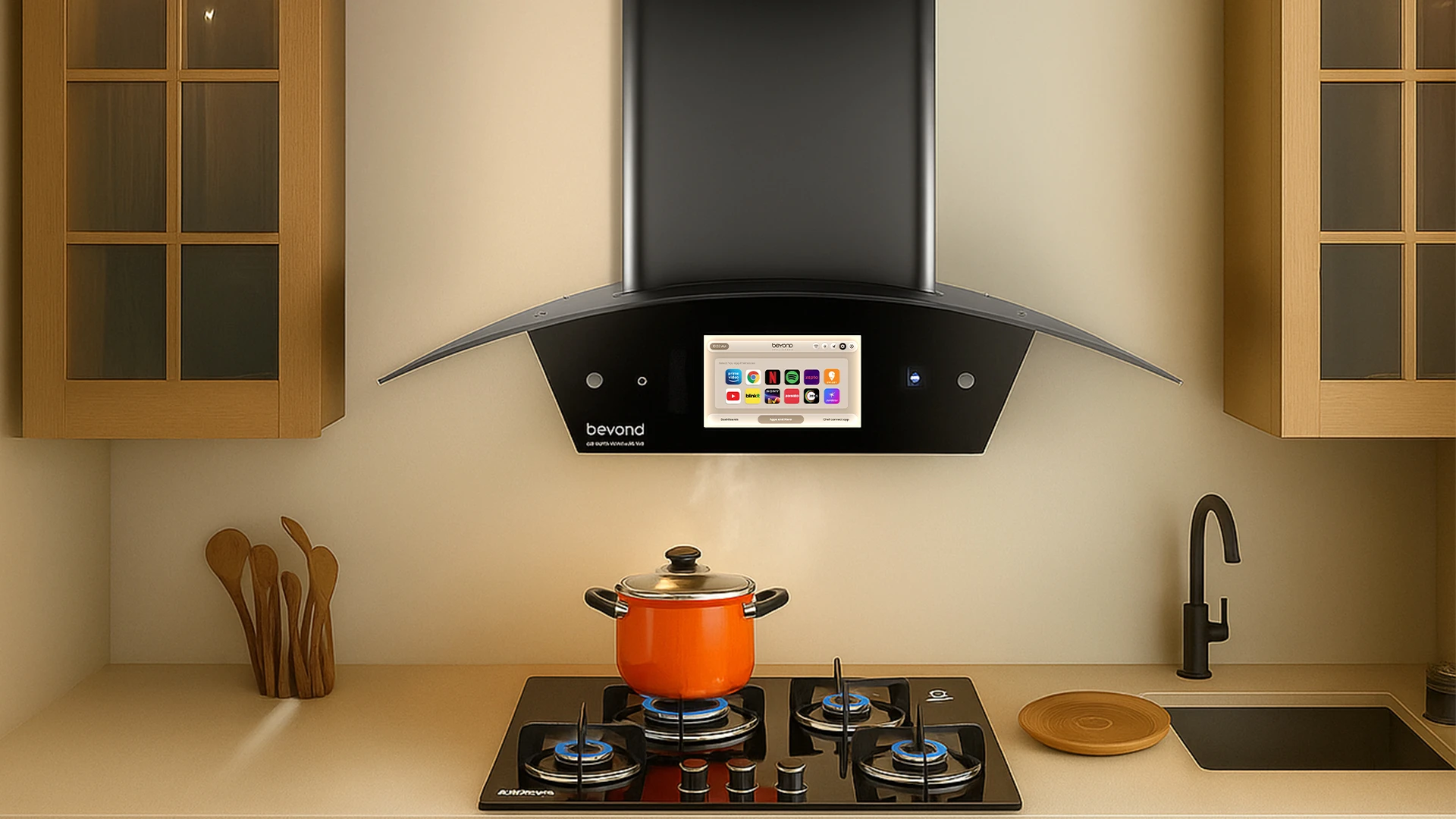
Smart kitchens are transforming how we cook, clean, and manage our homes. These connected systems bring together intelligent appliances, automated features, and seamless technology integration to create cooking spaces that work smarter, not harder. From energy-efficient operations to enhanced safety features, smart kitchen systems offer compelling advantages for modern homeowners. Whether you're renovating your current space or planning a new kitchen, understanding these benefits helps you make informed decisions about incorporating technology into your culinary environment.
Smart kitchen systems represent a comprehensive approach to modern kitchen technology, where connected appliances communicate with each other and respond to your commands through voice control or smartphone apps. These systems integrate various components including smart refrigerators, intelligent ovens, connected dishwashers, automated lighting, and advanced ventilation systems like smart chimneys. Unlike traditional kitchens where each appliance operates independently, smart kitchen systems create an ecosystem where devices share information and coordinate their functions. This connectivity enables features like preheating your oven while you're driving home, receiving notifications when your dishwasher cycle completes, or automatically adjusting your kitchen's lighting based on the time of day. The foundation of these systems relies on Wi-Fi connectivity, smartphone integration, and increasingly sophisticated sensors that monitor everything from temperature to air quality.
Smart kitchen systems typically include connected cooking appliances, intelligent storage solutions, automated cleaning systems, and advanced air management technology. Modern smart chimneys, for instance, can automatically adjust suction power based on cooking intensity and even coordinate with your cooktop to optimize performance.
Most smart kitchen systems integrate with popular voice assistants and offer dedicated mobile applications. This connectivity allows you to control multiple appliances simultaneously, set cooking timers, and receive maintenance alerts directly on your smartphone.
One of the most significant benefits of smart kitchen systems lies in their ability to optimize energy consumption and reduce utility costs. Smart appliances use advanced sensors and algorithms to operate more efficiently than their traditional counterparts, often resulting in 10-30% energy savings depending on usage patterns. Intelligent power management features allow these systems to automatically schedule energy-intensive tasks during off-peak hours when electricity rates are lower. Smart dishwashers can delay their cycles until late evening, while smart ovens can preheat precisely when needed rather than maintaining constant temperatures. Real-time energy monitoring helps homeowners track consumption patterns and identify opportunities for additional savings.
Smart systems learn your cooking habits and automatically optimize energy usage. Your smart chimney can reduce power consumption during low-activity periods while maintaining optimal air quality.
Homeowners typically see utility bill reductions of INR 2,000 to INR 5,000 annually through smart kitchen system implementation, with payback periods often under three years for comprehensive installations.
Modern kitchen automation transforms daily cooking routines by eliminating repetitive tasks and streamlining meal preparation. Automated kitchen features include pre-programmed cooking cycles that adjust temperature and timing automatically, remote monitoring capabilities that let you check cooking progress from anywhere in your home, and intelligent inventory tracking that creates shopping lists based on usage patterns. Voice-activated commands allow hands-free operation when your hands are busy with food preparation. You can adjust cooking temperatures, set timers, or activate your smart chimney without touching any controls. Multi-tasking becomes significantly more efficient when appliances coordinate their operations and provide status updates through connected displays or smartphone notifications.
Smart ovens and cooktops offer hundreds of pre-set recipes with automatic temperature and timing adjustments. These features ensure consistent results while freeing you to focus on other meal preparation tasks.
Monitor cooking progress, receive completion alerts, and make adjustments remotely through smartphone apps. This connectivity proves especially valuable for busy households managing multiple daily activities.
Modern kitchen systems deliver unprecedented cooking precision through advanced temperature sensors, humidity controls, and timing mechanisms. Smart ovens maintain exact temperatures within one-degree accuracy, while intelligent cooktops adjust heat distribution automatically based on cookware type and food being prepared. Consistent cooking results become the norm rather than the exception, as these systems eliminate human error in temperature and timing management. Smart recipe recommendations analyze your cooking history and dietary preferences to suggest new dishes, while nutritional tracking helps maintain healthy eating goals. Food safety monitoring includes automatic alerts for temperature danger zones and cooking completion notifications.
Precision sensors ensure optimal cooking conditions for every dish. Smart chimneys coordinate with cooking appliances to maintain ideal kitchen air quality throughout the cooking process.
Access thousands of recipes with automatic appliance coordination. Your smart system adjusts all connected devices to execute complex recipes with minimal manual intervention.
Compact kitchen design benefits significantly from smart technology integration, as these systems maximize functionality within limited space. Multi-functional appliances reduce the need for separate devices, while integrated controls eliminate cluttered interfaces and multiple control panels. Space optimization occurs through intelligent appliance coordination and streamlined workflows. Smart storage solutions track inventory automatically, reducing the need for oversized pantries. Connected kitchen advantages include seamless integration between appliances, creating more counter space and cleaner aesthetic lines throughout your kitchen design.
Smart appliances often combine multiple functions in single units. Modern smart chimneys, for example, may include integrated lighting, air purification, and even music streaming capabilities.
Reduced appliance footprints and wireless connectivity minimize countertop clutter while maintaining full functionality. Smart systems eliminate the need for multiple timers, thermometers, and monitoring devices.
Proactive maintenance notifications represent a major advantage of smart home kitchen systems, as connected appliances monitor their own performance and alert you to potential issues before they become costly problems. Self-diagnostic capabilities identify worn components, filter replacement needs, and performance degradation automatically. Safety alerts include automatic shutoffs for overheating conditions, gas leak detection, and fire prevention systems. Extended appliance lifespan results from optimized operating conditions and timely maintenance interventions. Reduced repair costs occur through early problem identification and preventive maintenance scheduling.
Smart appliances continuously monitor their performance and provide detailed maintenance schedules. This proactive approach prevents unexpected breakdowns and extends equipment life.
Automatic safety shutoffs, leak detection, and emergency alerts provide peace of mind. Smart chimneys can detect unusual smoke patterns and coordinate with other safety systems throughout your home.
Smart kitchen systems offer energy savings of 10-30%, significant time savings through automation, enhanced cooking precision, improved safety features, and better space utilization. These systems also provide proactive maintenance alerts and seamless integration with other smart home technologies.
Homeowners typically save INR 2,000 to INR 5,000 annually on utility bills through smart kitchen system implementation. Actual savings depend on usage patterns, local energy rates, and the specific appliances installed.
Yes, smart kitchen systems excel in compact spaces through multi-functional appliances, space-saving designs, and efficient workflow optimization. These systems maximize functionality while minimizing physical footprint requirements.
Smart appliances offer self-diagnostic capabilities, proactive maintenance alerts, performance monitoring, and extended lifespan through optimized operating conditions. These features reduce repair costs and prevent unexpected breakdowns.
Smart kitchen systems provide exact temperature control, automated timing, consistent results, and integrated recipe guidance. Advanced sensors eliminate human error while ensuring optimal cooking conditions for every dish.
Smart kitchen systems deliver measurable benefits across energy efficiency, time management, cooking quality, space optimization, and safety enhancement. These connected technologies transform traditional cooking spaces into intelligent environments that adapt to your lifestyle and preferences. From automated maintenance alerts to precision cooking controls, smart kitchen systems represent a worthwhile investment for modern homeowners seeking convenience, efficiency, and enhanced culinary experiences. The integration of advanced features like smart chimneys, connected cooktops, and intelligent appliances creates a cohesive ecosystem that simplifies daily kitchen tasks while improving overall functionality.
