

Essential Checklist: Recessed vs Surface Hob Install
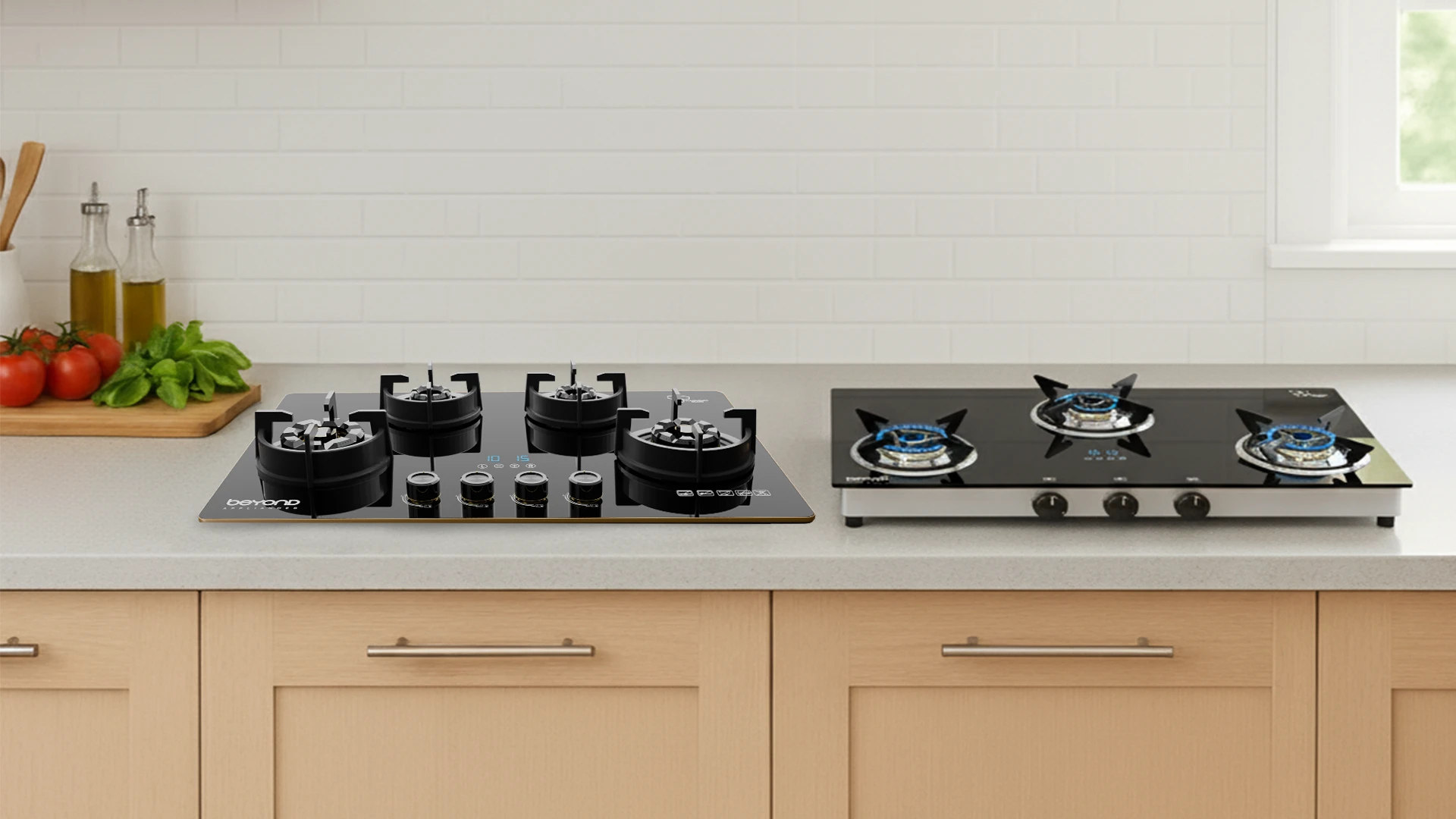
Choosing the right installation method for your kitchen hob is crucial for both functionality and aesthetics. The decision between recessed and surface mounted installations affects everything from your kitchen's visual appeal to maintenance requirements and long-term costs. Modern homeowners increasingly face this dilemma as kitchen designs evolve toward sleeker, more integrated looks while balancing practical considerations. Understanding the fundamental differences between hob installation types helps you make an informed choice that aligns with your lifestyle, budget, and design preferences. This comprehensive guide examines both options to help you determine whether your hob should be recessed or surface mounted.
The choice between recessed and surface mounted hobs fundamentally changes how your cooking area looks and functions. Each installation method offers distinct advantages and considerations that impact your kitchen's overall design and usability.
A recessed hob sits flush with your countertop surface, creating a seamless, integrated appearance. This hob flush mount approach requires precise cutting of the countertop material to accommodate the appliance. The hob's rim sits level with or slightly below the counter surface, eliminating visible edges or raised borders. This installation method works best with solid surface materials like quartz, granite, or engineered stone that can support the weight and provide clean cut edges.
Surface mounted hobs sit on top of the countertop with visible rims and edges. This traditional installation approach places the cooking surface above the counter level, creating a distinct separation between the hob and surrounding workspace. The installation requires a simple cutout in the countertop, with the hob's weight supported by its rim resting on the counter surface. This method offers greater flexibility in terms of countertop materials and easier access for maintenance.
The visual impact differs significantly between these hob mounting options. Recessed installations create uninterrupted lines and modern aesthetics, while surface mounted hobs provide traditional functionality with easier maintenance access. Installation complexity varies considerably, with recessed options requiring more precise measurements and professional expertise. Cost implications also differ, as recessed installations typically involve higher upfront expenses but may offer better long-term value through enhanced kitchen appeal.
Recessed installations offer compelling advantages for modern kitchen designs but come with specific considerations that affect both installation and long-term use. Understanding these factors helps determine if this approach suits your specific needs.
The sleek appearance of a modern kitchen hob installation creates visual continuity across your countertop. This seamless integration eliminates gaps where food particles and liquids can accumulate, making cleaning significantly easier. Safety improves as the flush surface reduces the risk of catching cookware edges or accidentally bumping into raised rims. For compact kitchen cooktop applications, recessed installations maximize usable counter space by eliminating protruding edges. The integrated hob design also enhances property value by creating a premium, built-in appearance that appeals to potential buyers.
Higher installation costs represent the primary disadvantage of recessed mounting. The precision required for proper fitting often necessitates professional installation, increasing labor expenses. Retrofitting existing kitchens proves particularly challenging, as countertop modifications may require complete replacement rather than simple adjustments. Repair accessibility becomes limited once the hob is flush-mounted, potentially increasing service costs. Certain countertop materials may not support recessed installation due to thickness or structural limitations. Ventilation considerations also become more complex, as heat dissipation requires careful planning around the integrated design.
New kitchen construction provides the ideal opportunity for recessed installation, allowing proper planning for electrical, gas, and ventilation requirements. Modern minimalist designs benefit most from the clean lines and seamless integration. High-end kitchen renovations often justify the additional cost through enhanced aesthetics and functionality. Homes with open-plan layouts particularly benefit from the uninterrupted visual flow that recessed installations provide.
Surface mounted installations offer practical benefits that make them suitable for many kitchen situations. The traditional approach provides reliability and flexibility that appeals to homeowners prioritizing functionality over cutting-edge aesthetics.
Simpler installation processes reduce both time and cost requirements. The straightforward mounting method allows for easier DIY installation in many cases, though professional installation remains recommended for gas connections. Lower upfront costs make surface mounting attractive for budget-conscious renovations. Maintenance access improves significantly, as technicians can easily reach connections and components without disturbing countertop installations. Flexible countertop options expand material choices, as structural requirements are less demanding than recessed installations.
Traditional kitchen aesthetics often complement surface mounted hobs better than ultra-modern alternatives. Appliance replacement becomes straightforward, allowing for future upgrades without major renovation work. Better ventilation options result from the raised position, improving heat dissipation and reducing stress on surrounding materials. Various kitchen styles accommodate surface mounting effectively, from country cottage to contemporary transitional designs.
Cooktop installation height variations allow for customization based on user preferences and ergonomic needs. However, cleaning around raised edges requires more attention to prevent buildup in gaps and crevices. Safety considerations for families with young children may favor the more obvious boundaries that surface mounting provides, making hot surfaces more visually apparent.
Successful hob installation depends on careful attention to technical requirements and safety standards. Both recessed and surface mounted options have specific needs that must be addressed during planning and execution.
Material requirements vary significantly between installation types. Recessed installations demand countertops with sufficient thickness and structural integrity to support the hob's weight without sagging. Granite and engineered quartz typically provide ideal support, while laminate surfaces may prove inadequate. Thickness specifications generally require minimum 40mm depth for recessed mounting, while surface installations work with standard 20-30mm countertops. Cut-out precision becomes critical for recessed installations, as gaps or misalignments compromise both appearance and functionality.
Access requirements for utilities differ between mounting methods. Recessed installations may limit access to connections, requiring careful planning during initial setup. Safety clearances must meet local building codes, with specific requirements for gas line routing and electrical connections. Professional installation ensures compliance with safety standards and warranty requirements, particularly important for gas-powered units.
Building code compliance varies by location but generally requires specific clearances around cooking surfaces. Heat dissipation considerations become more complex with recessed installations, as trapped heat can damage countertop materials. Proper ventilation planning ensures safe operation and extends appliance lifespan regardless of mounting method.
The installation method significantly influences your kitchen's overall visual appeal and functionality. Understanding these impacts helps align your choice with broader design goals and lifestyle needs.
Visual continuity with recessed options creates sophisticated, uninterrupted surfaces that enhance modern kitchen countertop design. Material coordination strategies involve matching hob finishes with surrounding surfaces for cohesive appearance. Color and finish matching becomes easier with recessed installations, as the integrated approach minimizes visual disruption.
Space-saving benefits vary between installation types, with recessed options maximizing usable counter area. Workflow optimization improves when cooking surfaces integrate seamlessly with preparation areas. Storage considerations may favor surface mounting in very small kitchens where every inch of height matters for overhead cabinet placement.
Coordinating with ovens and microwaves becomes easier with consistent installation approaches throughout the kitchen. Unified control panel placement creates more intuitive cooking experiences. Smart kitchen connectivity options may influence installation choices as technology integration becomes more important.
Determining whether your hob should be recessed or surface mounted requires careful evaluation of multiple factors. This systematic approach helps ensure your decision aligns with both immediate needs and long-term satisfaction.
Kitchen layout evaluation should consider existing infrastructure and renovation scope. Budget considerations must include both initial installation costs and potential long-term value impacts. Aesthetic preferences should align with overall kitchen design goals and personal style. Maintenance requirements vary significantly between options, affecting long-term ownership experience.
Inadequate planning often leads to costly modifications during installation. Compatibility oversights can result in structural problems or safety issues. Installation shortcuts may void warranties or create long-term reliability problems.
Recessed installation works best for new construction or major renovations with adequate budgets. Surface mount proves ideal for quick updates, rental properties, or situations requiring maximum flexibility. Future-proofing considerations should account for potential appliance upgrades and changing needs.
Conversion is possible but often requires countertop replacement or significant modification. The existing cutout may not provide proper support for recessed installation, and additional structural work may be necessary.
Minimum 40mm thickness is typically required for safe recessed installation. Thinner countertops may crack or sag under the hob's weight, compromising both safety and appearance.
Surface mounting typically costs INR 3,000-5,000 for professional installation, while recessed installation ranges from INR 8,000-15,000 depending on countertop modifications required.
Recessed hobs offer easier cleaning due to flush surfaces that eliminate gaps where debris accumulates. Surface mounted hobs require more attention around raised edges but provide better access to all surfaces.
Recessed installations typically enhance property value by creating premium, built-in appearance. However, the impact varies based on overall kitchen quality and local market preferences.
Both options meet safety standards when properly installed. Recessed hobs reduce burn risks from protruding edges, while surface mounted hobs provide more obvious visual cues about hot surfaces.
The decision of whether your hob should be recessed or surface mounted depends on balancing aesthetic preferences, budget constraints, and practical requirements. Recessed installations offer superior visual integration and easier cleaning but require higher upfront investment and more complex installation. Surface mounted options provide flexibility, lower costs, and easier maintenance access while maintaining reliable functionality. Consider your kitchen's existing infrastructure, renovation scope, and long-term plans when making this important decision. Professional consultation ensures proper installation regardless of your choice, protecting both safety and warranty coverage.
