

Essential Checklist: Optimizing Space with Built-In Hobs
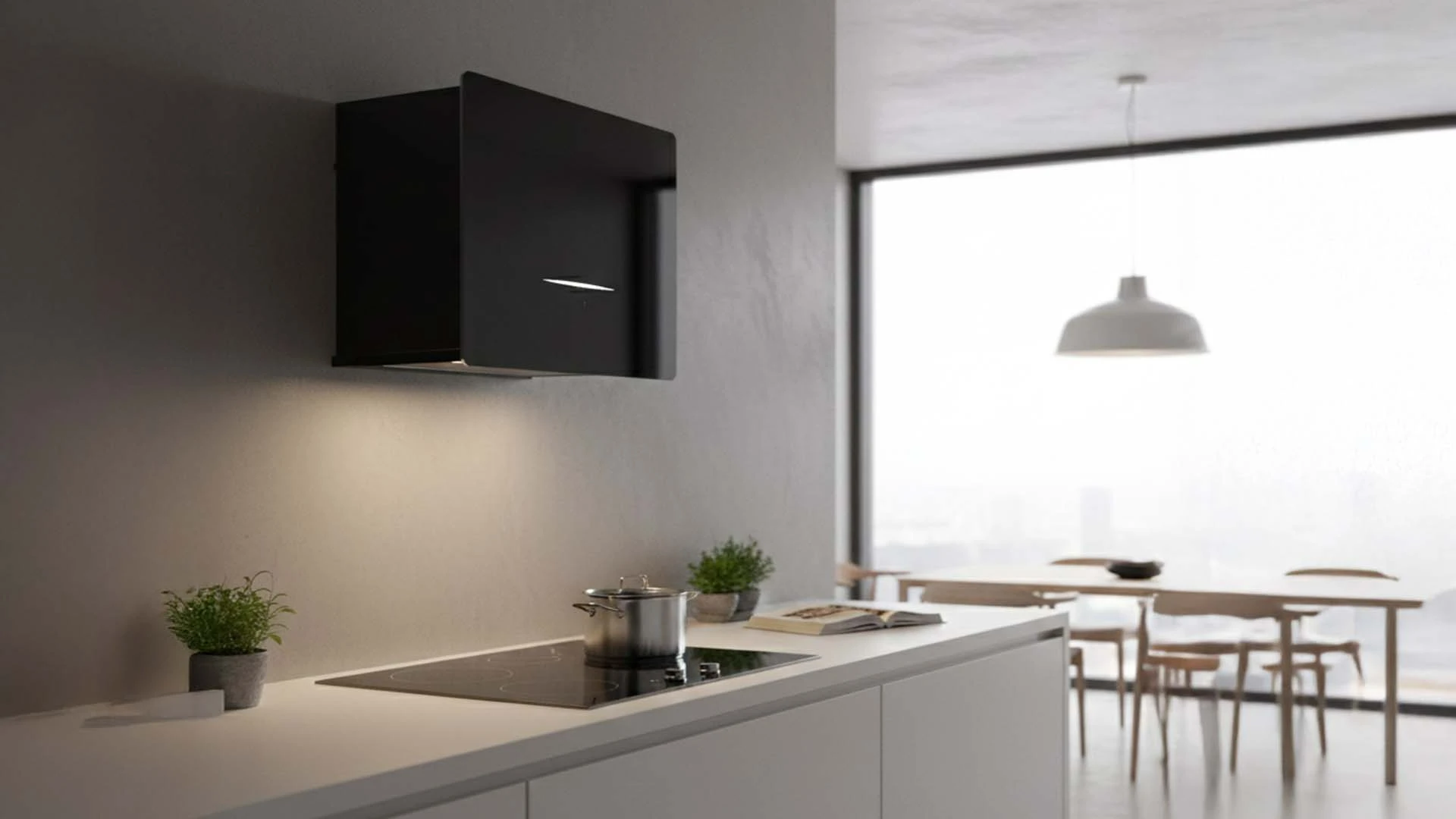
Modern kitchens face a constant challenge: how to maximize functionality while maintaining style in increasingly compact spaces. Optimizing space with built-in hobs has become a game-changer for homeowners seeking efficient cooking solutions. These sleek appliances seamlessly integrate into countertops, creating clean lines and freeing up valuable workspace. Whether you're designing a new kitchen or renovating an existing one, understanding how to properly plan and implement built-in hob solutions can transform your cooking experience while making the most of every square inch.
Built-in hobs represent a significant departure from traditional freestanding cooking appliances. These units are designed to sit flush with your countertop, creating a seamless cooking surface that eliminates gaps and crevices. Unlike standalone gas stoves that occupy floor space and create visual barriers, built-in hobs integrate directly into your kitchen design. The space optimization benefits are immediately apparent. By eliminating the need for a separate cooking unit, you can reclaim approximately 20-30% more usable counter space. This translates to better workflow, increased storage options, and a more streamlined appearance that makes even small kitchens feel more spacious.
Modern built-in hobs come equipped with features specifically designed for compact kitchen design. The Hobtop Dorada exemplifies these innovations with its vessel collision-free design, allowing simultaneous use of all four burners without cookware clashing. This spacious design maximizes cooking capacity within a minimal footprint. The convertible nature of quality hobs adds another layer of flexibility. Units that can function as both built-in and freestanding options provide adaptability for changing kitchen layouts or temporary cooking arrangements.
Proper planning forms the foundation of successful hob installation ideas. Before committing to a built-in solution, several critical measurements and considerations must be addressed. The installation process requires precise cutout dimensions and adequate clearance zones for safe operation. Minimum clearance requirements include 50cm on both sides of the hob for safe pan placement and maneuvering. Walls and tall appliances should maintain a distance of 300-450mm to prevent heat damage and ensure proper ventilation. These measurements directly impact your kitchen layout with hob placement options.
Different countertop materials respond differently to heat and installation requirements. Granite and quartz surfaces handle heat well but require professional cutting for precise fitment. Laminate countertops may need additional heat shields, while solid wood surfaces require careful sealing around the cutout edges.
Gas and electrical connections must be planned during the design phase. LPG and PNG compatibility, like that offered by the Hobtop Dorada, provides flexibility in fuel source selection. Electrical requirements for ignition systems and safety features need dedicated circuits with proper grounding.
Each kitchen layout presents unique opportunities for space saving kitchen appliances integration. Understanding how to adapt built-in hob placement to your specific configuration maximizes both functionality and aesthetics. Galley kitchens benefit from centrally positioned hobs that create efficient work triangles between sink, storage, and cooking areas. The compact design allows for better traffic flow while maintaining full cooking capabilities.
Kitchen islands provide excellent opportunities for integrated hob units. This placement creates a social cooking environment while maintaining clear sight lines throughout the space. Peninsula installations offer similar benefits with reduced space requirements, perfect for small space cooking scenarios.
Corner installations maximize otherwise underutilized space. Angled hob placement can create interesting design focal points while improving workflow efficiency. However, adequate clearance from adjacent walls becomes even more critical in these configurations.
Contemporary modern hob solutions incorporate advanced technologies that enhance both space efficiency and cooking performance. Induction technology offers the most compact heating elements with precise temperature control, while gas hobs provide instant heat adjustment and visual flame monitoring. The Hobtop Dorada showcases several space-optimizing features including full brass burners that deliver high performance while maintaining compact dimensions. The 8mm toughened glass surface handles high heat effortlessly while providing a durable, scratch-resistant cooking platform that maintains its appearance over time.
Smart timer functions automatically turn off gas and flame when cooking time expires, eliminating the need for separate timing devices. Flame failure devices provide safety without requiring additional space for external safety equipment. Auto ignition systems eliminate the need for separate lighting tools, reducing kitchen clutter.
Current hob design trends emphasize minimalist aesthetics with maximum functionality. Flush-mount installations create seamless surfaces that are easier to clean and maintain. Spill-proof designs prevent liquids from seeping into the hob mechanism, reducing maintenance requirements and extending appliance life.
While built-in hobs offer significant advantages, they also present unique challenges that require careful consideration. Installation complexity typically exceeds that of freestanding units, often requiring professional expertise for proper fitment and connection. Replacement considerations become more complex with built-in units. Future upgrades may require countertop modifications, making initial selection more critical. However, quality units like those with cast iron supports and durable construction minimize replacement frequency.
Child safety becomes particularly important with flush-mounted cooking surfaces. The seamless integration can make hot surfaces less obvious to young children. Built-in safety features like automatic shut-off and flame failure devices provide essential protection in family kitchens.
The 100% spill-proof design of quality hobs prevents spillages from seeping into the unit, simplifying cleanup procedures. Toughened glass surfaces resist scratching and staining, maintaining their appearance with regular cleaning. Removable components allow for thorough cleaning without damaging the installation.
Successful implementation of optimizing small kitchens with built-in hobs requires systematic planning and execution. This comprehensive checklist ensures all critical factors are addressed before, during, and after installation. Pre-installation requirements include accurate measurements of available space, assessment of existing utility connections, and evaluation of countertop material compatibility. Professional consultation helps identify potential challenges and optimal placement strategies.
During installation, verify proper clearances, test all safety features, and ensure secure mounting. Gas connections require pressure testing, while electrical connections need proper grounding verification. Final inspection should confirm proper operation of all features including ignition, safety devices, and timer functions.
After installation, optimize surrounding storage and workspace organization to maximize the space-saving benefits. Consider complementary appliances that enhance the integrated design approach. Regular maintenance schedules help preserve both functionality and appearance over time.
Built-in hobs require more complex installation compared to freestanding units, often involving professional services that increase initial costs. Replacement becomes more challenging as it may require countertop modifications. The permanent installation reduces flexibility for future kitchen layout changes. Additionally, repairs may be more complex due to the integrated design.
Minimum clearance requirements include 50cm on both sides for safe cookware placement and maneuvering. Maintain 300-450mm distance from walls and tall appliances to prevent heat damage and ensure proper ventilation. Adequate overhead clearance is essential for range hood installation and heat dissipation.
A built-in hob is a cooking appliance designed to integrate flush with your countertop surface, creating a seamless cooking area. Unlike freestanding units, these hobs are permanently installed into a cutout in the counter, eliminating gaps and creating clean, continuous lines that enhance both aesthetics and functionality.
Induction hobs offer the highest energy efficiency, converting up to 90% of energy directly to heat compared to 40-50% for gas hobs. However, gas hobs like the Hobtop Dorada with full brass burners provide excellent heat control and lower operating costs. The choice depends on your cooking preferences, available utilities, and energy costs in your area.
Convertible hobs that function as both built-in and freestanding units offer flexibility for rental situations. These units can be installed temporarily without permanent countertop modifications, making them suitable for tenants who want upgraded cooking facilities without violating lease agreements.
Optimizing space with built-in hobs transforms kitchen functionality while maintaining aesthetic appeal. Proper planning, including accurate measurements and utility assessments, ensures successful installation and long-term satisfaction. Modern features like smart timers, safety devices, and spill-proof designs enhance both convenience and safety in compact cooking environments. While installation complexity and costs are higher than freestanding alternatives, the space-saving benefits and integrated design advantages make built-in hobs an excellent investment for modern kitchens seeking maximum efficiency in minimal space.
