

Essential Checklist: Optimize Chimney Efficiency Now
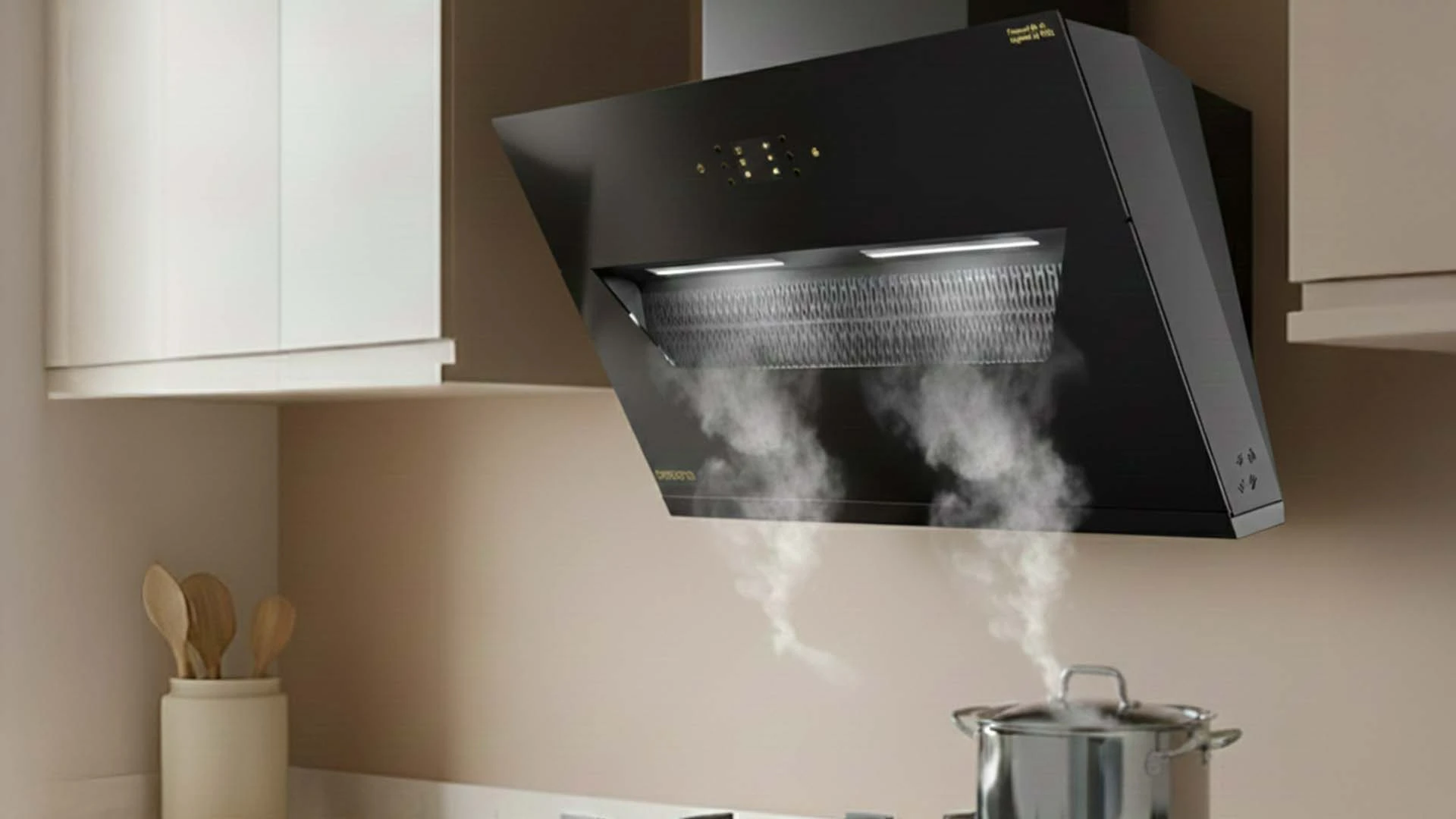
A well-designed kitchen requires more than just beautiful cabinets and countertops. The heart of any functional cooking space lies in its ventilation system, specifically how effectively your chimney manages smoke, heat, and odors from your cooking zones. Modern homeowners face unique challenges with compact kitchen design, where every square inch matters and efficient airflow becomes critical. Understanding chimney efficiency cooking zones helps you create a comfortable, healthy cooking environment while maximizing your kitchen's performance. This comprehensive checklist will guide you through essential considerations for optimizing your kitchen ventilation system, from proper sizing to strategic placement.
Chimney efficiency in cooking zones refers to how effectively your ventilation system captures and removes cooking byproducts from specific areas of your kitchen. In compact kitchen design, this becomes even more crucial as limited space means concentrated cooking activities and faster accumulation of heat and odors. Proper kitchen ventilation directly impacts your cooking experience and home comfort. An efficient system maintains optimal air quality, reduces humidity levels, and prevents grease buildup on surfaces. For energy efficient cooking, a well-designed ventilation system also helps maintain consistent temperatures, reducing the load on your air conditioning system.
Effective ventilation zones provide immediate smoke and odor removal, keeping your kitchen fresh during and after cooking. They also protect your kitchen surfaces from grease accumulation and reduce maintenance requirements. Most importantly, proper airflow prevents cooking odors from spreading throughout your home.
Proper chimney sizing forms the foundation of effective kitchen ventilation. Two fundamental rules guide professional installations: the 3:2-10 rule and the 7x rule. These guidelines ensure your chimney provides adequate suction power for your specific cooking zones. The 3:2-10 rule for chimneys states that for every 3 feet of horizontal duct run, you need 2 inches of additional chimney height, with a maximum of 10 feet total horizontal distance. This rule maintains proper airflow velocity and prevents backdraft issues in your ventilation system.
The 7x rule requires that your chimney's total flow area equals seven times the area of any single elbow or turn in your ductwork. This calculation prevents bottlenecks that reduce suction efficiency. For small kitchen chimney installations, this rule becomes particularly important as space constraints often require multiple duct turns.
In kitchens under 150 square feet, choose chimneys with suction capacity between 400-600 CFM. For integrated kitchen appliances, ensure your chimney width matches or exceeds your cooktop width by at least 6 inches on each side for optimal coverage.
Proper chimney placement directly affects its ability to capture cooking emissions effectively. The standard height recommendation places your chimney 24-30 inches above your cooking surface, but specific requirements vary based on your kitchen layout and ceiling height. For gas cooktops, maintain a minimum 26-inch clearance to prevent heat damage to your chimney's internal components. Electric cooktops allow slightly lower installation at 24 inches. These measurements ensure optimal suction while maintaining safe operating distances.
Your chimney should cover the entire cooking surface plus an additional 3-6 inches on each side. This extended coverage ensures effective capture of cooking vapors that spread beyond the immediate cooking area. In compact kitchen design, this coverage becomes critical for maintaining air quality.
Installing your chimney in front of a window can affect its performance due to cross-drafts. If this placement is unavoidable, choose models with higher CFM ratings to compensate for potential air current interference.
Effective kitchen layouts maximize airflow patterns while maintaining functional cooking zones. Modern kitchen ventilation systems work best when integrated into your overall kitchen design from the planning stage. Consider the cooking triangle principle when positioning your chimney. Your ventilation system should complement the natural workflow between your stove, sink, and refrigerator. This integration ensures that cooking activities remain comfortable and efficient.
In smaller kitchens, vertical space utilization becomes crucial. Wall-mounted chimneys save counter space while providing effective ventilation. Island installations work well in open-plan designs but require careful ductwork planning to maintain efficiency.
Design your cooking zones to work with natural air currents in your kitchen. Avoid placing your cooktop directly opposite exterior doors or windows where cross-drafts can interfere with chimney performance. Range hood performance improves significantly when airflow patterns support rather than fight the ventilation system.
Regular maintenance and proper operation significantly impact your chimney's effectiveness. A systematic approach to optimization ensures consistent performance and extends your appliance's lifespan. Clean or replace filters every 2-3 months for optimal suction power. Grease-laden filters reduce airflow and strain your chimney's motor. For heavy cooking households, monthly filter maintenance may be necessary to maintain peak performance.
Calculate your required CFM by multiplying your cooktop's BTU output by 0.1. For electric cooktops, use 100 CFM per linear foot of cooking surface. These calculations ensure adequate ventilation capacity for your specific cooking needs.
Use variable speed controls to match ventilation power to cooking intensity. Running your chimney at full power continuously wastes energy and creates unnecessary noise. Energy efficient cooking practices include using appropriate fan speeds for different cooking methods.
Professional installation ensures optimal performance and safety compliance. However, understanding installation requirements helps you make informed decisions and verify proper setup. Verify electrical requirements before installation. Most chimneys require dedicated 15-20 amp circuits. Plan electrical work during kitchen renovation phases to avoid costly modifications later.
Use smooth, rigid ducting whenever possible to minimize airflow resistance. Flexible ducts should be limited to final connections only. Proper ductwork installation can improve chimney efficiency by up to 25% compared to suboptimal installations.
Ensure adequate clearances from combustible materials. Most building codes require 18-inch minimum clearances from wooden cabinets. Professional installation guarantees compliance with local building codes and manufacturer specifications.
The 3:2-10 rule states that for every 3 feet of horizontal duct run, you need 2 inches of additional chimney height, with a maximum of 10 feet total horizontal distance. This ensures proper airflow velocity and prevents performance issues.
The 7x rule requires that your chimney's total flow area equals seven times the area of any single elbow or turn in your ductwork. This prevents airflow bottlenecks that reduce suction efficiency.
Yes, an efficient chimney removes hot air and cooking heat, maintaining more comfortable kitchen temperatures. This reduction in ambient heat also decreases the load on your home's cooling system.
The optimal distance is 24-30 inches above the cooking surface. Gas cooktops require minimum 26-inch clearance, while electric cooktops can be installed at 24 inches minimum.
Clean or replace filters every 2-3 months for normal use, or monthly for heavy cooking households. Regular maintenance ensures optimal suction power and prevents motor strain.
Optimizing chimney efficiency cooking zones requires careful attention to sizing, placement, and maintenance. The 3:2-10 and 7x rules provide essential guidelines for proper installation, while regular maintenance ensures sustained performance. In compact kitchen design, these considerations become even more critical for maintaining air quality and cooking comfort. Remember that professional installation and quality components form the foundation of an effective ventilation system that will serve your kitchen efficiently for years to come.
