

Essential Checklist: Modular Kitchen Chimney Design
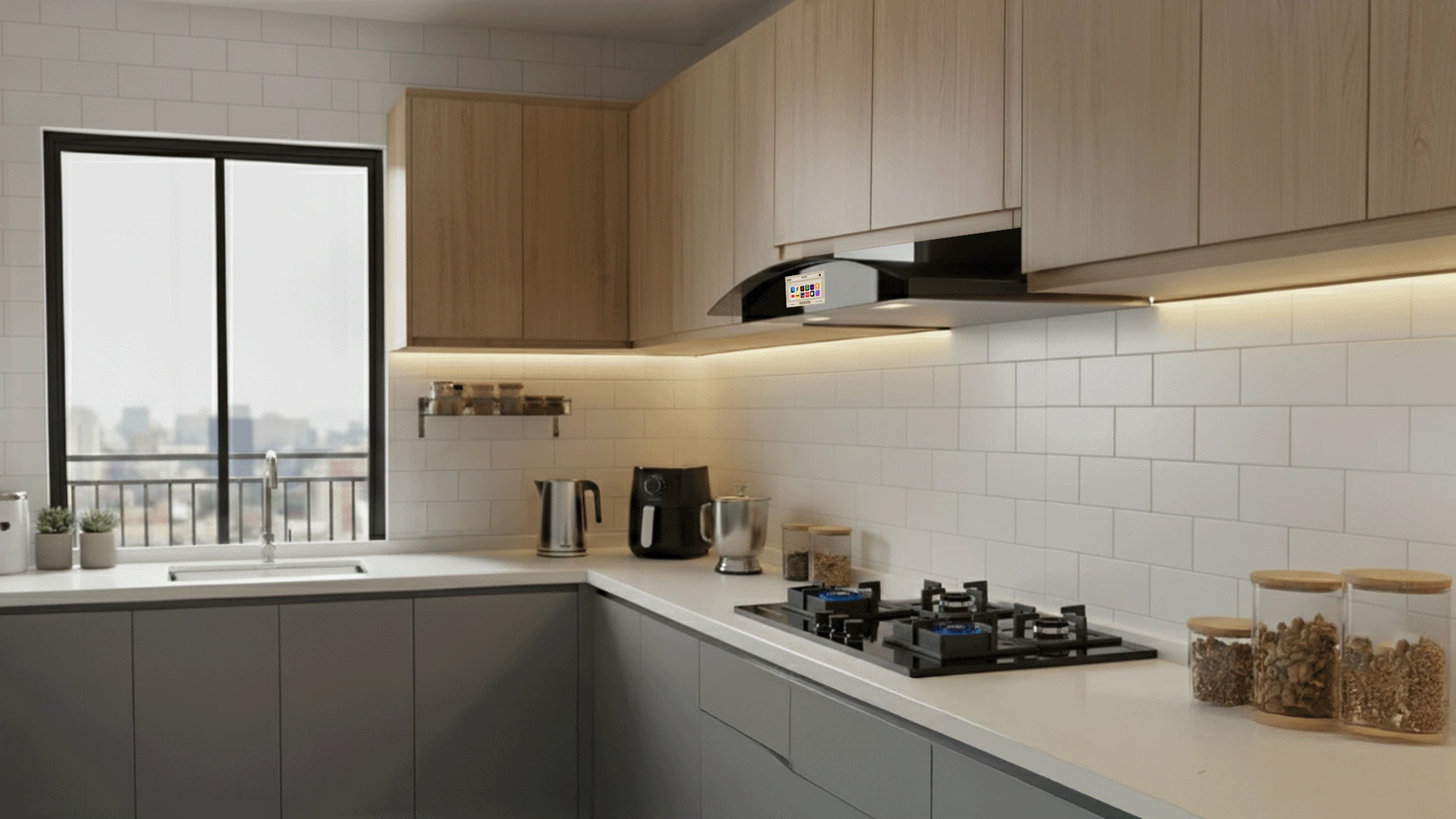
Planning a modular kitchen around your chimney requires careful thought and strategic design decisions. The chimney placement affects everything from cabinet layout to cooking efficiency. Getting this balance right creates a kitchen that looks stunning and works perfectly for your daily cooking needs. This comprehensive checklist will guide you through every step of designing your modular kitchen with the chimney as a central element.
Modular kitchen design differs significantly from traditional kitchen setups. It uses pre-made cabinet modules that fit together like building blocks. This approach offers flexibility and customization options that traditional kitchens cannot match.
Modular kitchens use standardized cabinet sizes and components. You can mix and match these pieces to create your perfect layout. Traditional kitchens are built on-site with custom measurements for each element.
Every modern kitchen needs five essential zones: storage, preparation, cooking, cleaning, and serving. Your chimney placement directly impacts the cooking zone design. Plan these areas to work together smoothly for maximum efficiency.
The chimney determines where your cooking range goes. This affects cabinet heights, storage options, and traffic flow patterns. Poor chimney placement can make your entire kitchen feel cramped and inefficient.
Standard chimney installation requires 24-30 inches of height above the cooktop. Allow 6 inches of clearance on each side for proper ventilation. These measurements affect your upper cabinet design and overall kitchen proportions.
Proper chimney placement ensures effective smoke removal and creates a focal point in your kitchen design. The right position also maximizes your available storage and workspace.
Mount your chimney 24-30 inches above gas cooktops and 20-24 inches above electric cooktops. This distance ensures effective suction without interfering with your cooking activities. Measure twice before finalizing the position.
Wall-mounted chimneys work best for compact kitchen layouts against walls. Island chimneys suit larger kitchens with central cooking areas. Consider your kitchen size and cooking habits when choosing between these options.
Ensure adequate air circulation around your chimney area. Install exhaust fans if needed for additional ventilation. Proper airflow prevents grease buildup and maintains air quality throughout your kitchen space.
Never install chimneys too close to windows or doors where drafts can affect performance. Avoid placing them directly above tall appliances that block access. Keep electrical outlets away from direct heat and steam exposure.
Small kitchens require creative solutions to accommodate chimneys without sacrificing functionality. Smart layout planning maximizes every inch of available space while maintaining an ergonomic design.
Use vertical space effectively with tall cabinets around your chimney. Install pull-out drawers and rotating shelves to maximize storage accessibility. Choose compact appliances that fit well with your chimney placement.
L-shaped layouts work well with corner chimney installations. U-shaped designs offer maximum storage around the chimney area. Galley kitchens require careful planning to avoid blocking pathways with chimney placement.
Install narrow pull-out cabinets beside your chimney for spice storage. Use the space above for decorative items or rarely used cookware. Consider custom-sized cabinets that fit perfectly around your chimney dimensions.
Maintain clear pathways around your cooking area. The work triangle between sink, stove, and refrigerator should remain unobstructed. Plan counter space on both sides of your cooktop for efficient meal preparation.
Proper installation ensures your chimney works effectively and integrates seamlessly with your modular kitchen design. Follow these steps for professional results.
Measure your cooking area precisely before ordering your chimney. Check ceiling height and mark electrical connection points. Verify that your chosen chimney size matches your cooktop dimensions for optimal performance.
Install dedicated electrical circuits for your chimney motor. Plan ductwork routes to the exterior wall or roof. Ensure proper sealing to prevent backdrafts and maintain energy efficiency in your kitchen.
Coordinate chimney installation with cabinet mounting schedules. Leave access panels for future maintenance needs. Ensure cabinet doors and drawers clear the chimney housing when opened fully.
Follow local building codes for chimney installation requirements. Use fire-resistant materials around the cooking area. Install proper grounding for electrical safety and obtain necessary permits before starting work.
Transform your chimney from a functional necessity into an attractive design element. The right approach creates visual interest while maintaining practical benefits.
Choose chimney designs that complement your kitchen style. Curved chimneys add elegance to contemporary kitchens. T-shaped chimneys suit minimalist designs perfectly. Slant chimneys create dynamic visual appeal in modern spaces.
Design upper cabinets to frame your chimney attractively. Use open shelving on one side for display items. Install under-cabinet lighting to highlight the chimney area and improve task lighting.
Add LED strip lights under the chimney hood for better cooking visibility. Install pendant lights nearby for ambient lighting. Consider accent lighting to highlight the chimney as a design feature.
Match chimney finishes with your cabinet hardware and appliances. Stainless steel chimneys work well with modern designs. Black or white options suit various color schemes and create striking contrasts.
Every kitchen presents unique challenges when integrating chimney design. Understanding common issues helps you plan effective solutions from the start.
Use compact chimney models for kitchens with low ceilings. Install angled or slant chimneys that require less vertical space. Consider ductless options that eliminate external venting requirements completely.
Corner installations require specialized mounting brackets and careful measurement. Plan cabinet layouts to accommodate the unique angles. Ensure adequate clearance for maintenance access from multiple sides.
Open kitchens need more powerful chimneys to handle larger air volumes. Closed kitchens can use standard capacity models effectively. Consider noise levels more carefully in open floor plans.
Choose ductless chimneys to save on installation costs. Use standard-sized cabinets around your chimney to reduce custom work. Select mid-range chimney models that offer good performance at reasonable prices.
The ideal distance is 24-30 inches for gas cooktops and 20-24 inches for electric cooktops. This ensures effective suction while providing comfortable cooking space.
Yes, compact and ductless chimney models work well in small kitchens. Choose appropriate sizes and consider space-saving installation methods to maximize functionality.
Ducted chimneys offer better performance but require external venting. Ductless models are easier to install and work well for moderate cooking needs without external ductwork.
Choose chimney width equal to or slightly larger than your cooktop width. For suction capacity, calculate 10 times your kitchen volume in cubic feet per minute.
Professional installation typically costs INR 2,000 to INR 5,000 depending on complexity. Ducted installations cost more due to additional ductwork and electrical requirements.
Relocation is possible but involves significant work including electrical, ductwork, and cabinet modifications. Plan carefully during initial design to avoid costly changes later.
Designing your modular kitchen around the chimney requires careful planning and attention to detail. Start with accurate measurements and consider your cooking habits when choosing placement and size. Remember that proper installation ensures long-term performance and safety. Take time to coordinate all elements including cabinets, lighting, and ventilation for the best results. With thoughtful planning, your chimney becomes both a functional asset and an attractive focal point in your modern kitchen design.
