

Essential Checklist: Filterless Chimney Benefits Revealed
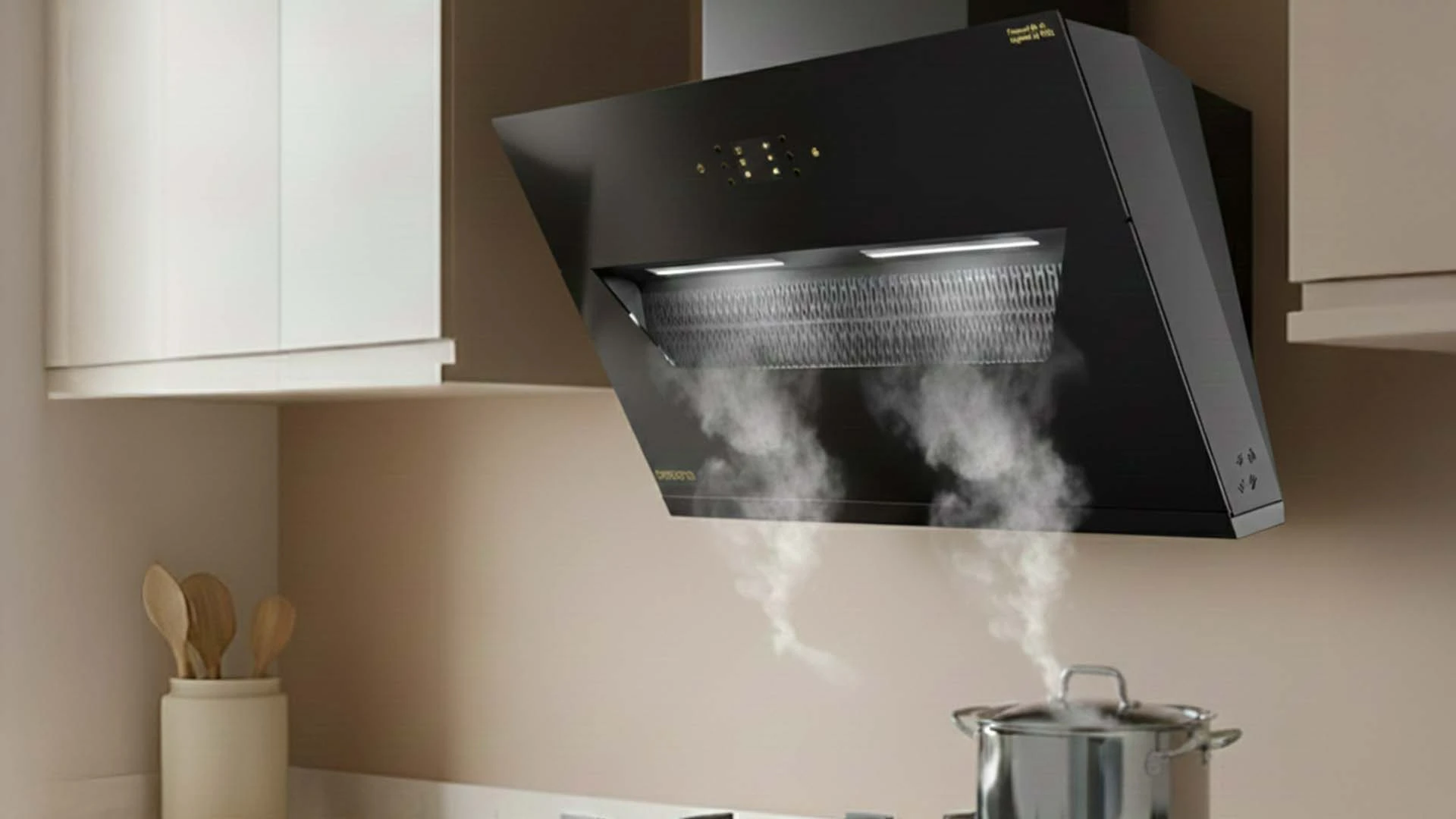
Modern kitchens demand smart, efficient solutions that make cooking a joy rather than a chore. As homeowners increasingly seek smokeless kitchen solutions, filterless chimneys have emerged as a game-changing technology. These innovative kitchen ventilation systems promise superior performance without the hassle of traditional filter maintenance. Whether you're planning a kitchen upgrade or building a new home, understanding the benefits of filterless chimneys can help you make an informed decision that transforms your cooking experience for years to come.
Filterless chimneys represent a significant advancement in kitchen ventilation design. Unlike traditional systems that rely on baffle or mesh filters to trap grease and particles, these modern units use powerful suction and specialized internal mechanisms to extract smoke, oil, and odors directly from your cooking area.
The core principle behind filterless technology lies in enhanced airflow dynamics. These systems create a powerful vacuum that draws cooking fumes through optimized internal chambers. The absence of filters means no obstruction to airflow, resulting in consistently strong suction power. Most units feature specially designed internal surfaces that naturally separate oil particles from air through centrifugal force.
Filterless chimneys typically include high-performance motors, streamlined ductwork connections, and innovative internal geometries. The motor operates at higher efficiency levels since it doesn't need to overcome filter resistance. Internal chambers are engineered with smooth surfaces that prevent grease accumulation while maintaining optimal air velocity throughout the extraction process.
The shift toward filterless technology brings numerous benefits that address common kitchen ventilation challenges. These advantages make filterless units particularly attractive for modern homeowners who value both performance and convenience.
Filterless chimneys deliver 15-20% better suction efficiency compared to traditional filtered models. Without filter obstruction, air flows freely through the system, maintaining consistent performance even during heavy cooking sessions. This enhanced suction power ensures effective removal of smoke, steam, and cooking odors, creating a more comfortable kitchen environment.
One of the most significant advantages is the elimination of filter cleaning and replacement tasks. Traditional chimneys require monthly filter cleaning and periodic replacements costing INR 500-2000 annually. Filterless systems remove this burden entirely, saving both time and money while ensuring your chimney operates at peak efficiency without regular intervention.
Modern filterless designs offer sleek, minimalist aesthetics that complement contemporary kitchen styles. These units often feature slimmer profiles since they don't need to accommodate bulky filter assemblies. The streamlined design makes them ideal for compact kitchens where space optimization is crucial.
Without filters to clog or deteriorate, filterless chimneys experience less mechanical stress over time. Motors run more efficiently without fighting filter resistance, potentially extending their operational lifespan. This translates to better long-term value and fewer replacement concerns.
Understanding how filterless chimneys stack against traditional options helps clarify their value proposition. The comparison reveals significant differences in maintenance, performance, and long-term costs.
Traditional chimneys require regular filter cleaning every 2-4 weeks, depending on cooking frequency. Filter replacements cost INR 800-2500 annually. Filterless units eliminate these recurring expenses but may require professional servicing every 12-18 months, typically costing INR 2000-4000. Over a 10-year period, filterless systems often prove more economical.
For heavy Indian cooking involving frequent frying and spice-heavy preparations, filterless chimneys excel due to their superior suction power. They handle oil-laden vapors more effectively than filtered systems, which can become clogged quickly. Light cooking styles also benefit from the consistent performance and minimal maintenance requirements.
Filterless chimneys typically require proper ductwork for optimal performance, though some models offer ductless operation. Professional installation ensures correct sizing and positioning for maximum efficiency. The absence of filters simplifies internal cleaning access during professional servicing.
Modern filterless chimneys incorporate advanced features that enhance user experience and operational efficiency. These technological improvements make kitchen ventilation more intuitive and effective.
Many filterless units feature automatic cleaning cycles that use heat to dissolve accumulated grease and oil residues. This technology reduces manual maintenance requirements and helps maintain optimal performance between professional services. Some models activate auto-clean functions after detecting extended cooking sessions.
Advanced filterless chimneys include motion sensors for hands-free operation, LED lighting systems, and digital controls for precise speed adjustment. These features enhance convenience while cooking and contribute to energy efficiency through intelligent operation modes.
Proper installation and care ensure filterless chimneys deliver optimal performance throughout their operational life. Following manufacturer guidelines and professional recommendations maximizes the benefits of this technology.
Filterless chimneys require careful attention to ductwork sizing and motor positioning. Professional installers ensure adequate ventilation capacity and proper electrical connections. Correct installation prevents performance issues and ensures compliance with safety standards.
While filterless chimneys need minimal routine maintenance, periodic professional cleaning maintains peak performance. Annual or bi-annual servicing removes accumulated residues from internal components. Regular exterior cleaning and inspection of electrical connections help prevent operational issues.
Yes, filterless chimneys are excellent for Indian cooking styles. Their superior suction power effectively handles oil-heavy preparations and spice-laden vapors without filter clogging issues that plague traditional systems.
Filterless chimneys require less frequent maintenance overall. While they may need professional servicing annually, they eliminate the weekly filter cleaning and periodic filter replacements required by traditional systems.
Some filterless models offer ductless operation, though ducted installation typically provides better performance. Ductless units recirculate air after processing, while ducted systems exhaust cooking fumes outside.
Primary disadvantages include higher initial costs, potential for grease accumulation in ductwork, and the need for professional servicing. However, these limitations are often offset by superior performance and reduced ongoing maintenance.
Filterless chimneys offer compelling advantages for modern kitchens, particularly superior suction power, minimal maintenance requirements, and sleek design integration. While they may require higher initial investment and periodic professional servicing, the long-term benefits often outweigh these considerations. For homeowners seeking efficient, low-maintenance kitchen ventilation systems, filterless technology represents a smart investment in cooking comfort and convenience.
