

Essential Checklist: Diagnosing Cooktop Problems Fast
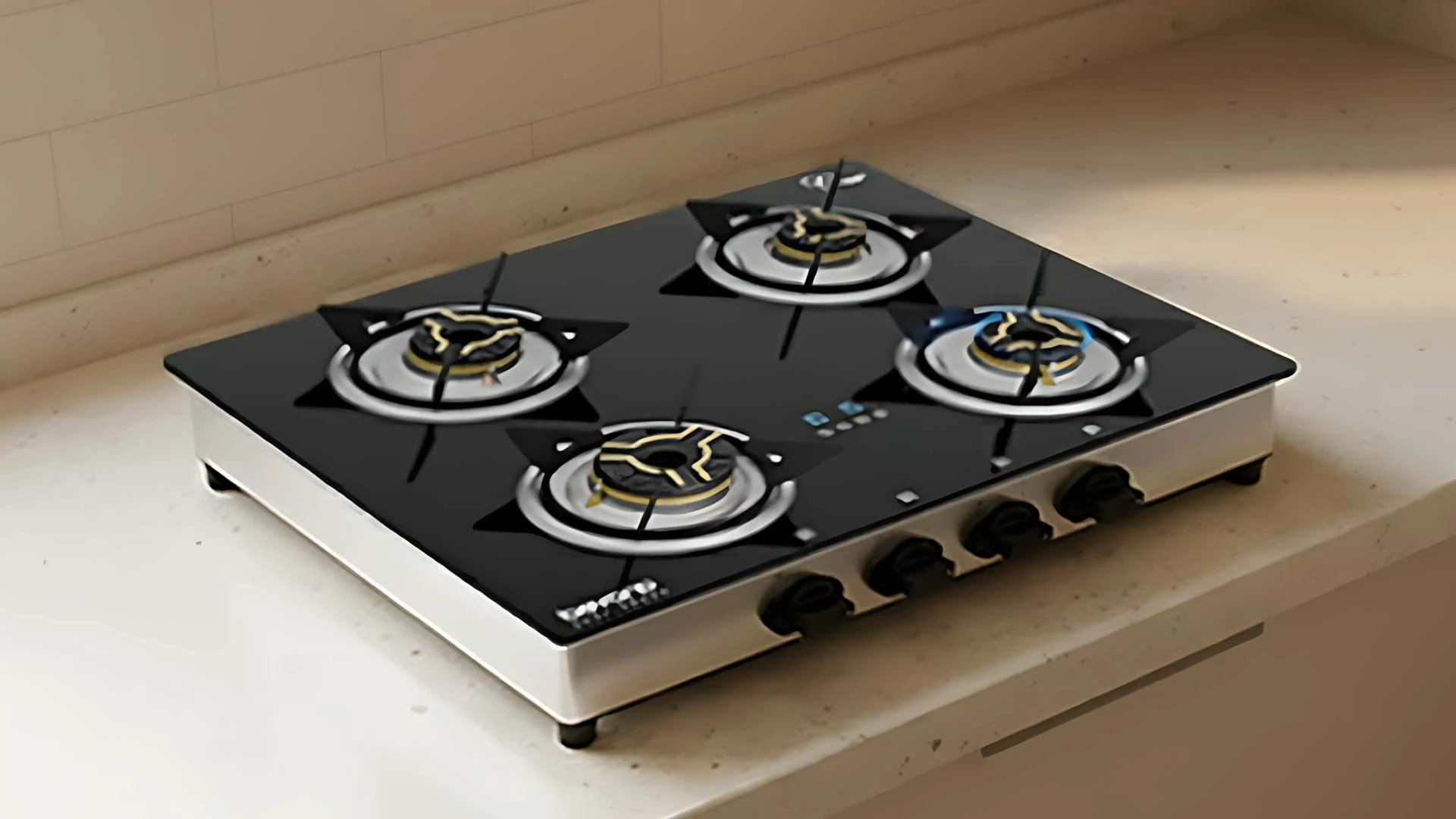
When your cooktop suddenly stops working properly, it can disrupt your entire cooking routine. Whether you're dealing with a burner that won't heat up, strange clicking sounds, or uneven cooking temperatures, identifying the problem quickly is essential. Most cooktop issues can be diagnosed with a systematic approach, helping you decide whether it's a simple fix or time to call a professional. This comprehensive checklist will guide you through the most effective methods to diagnose common cooktop problems across electric, gas, and induction models.
Understanding the typical issues that affect different cooktop types is the first step in effective troubleshooting. Each technology—electric, gas, and induction—has its own set of characteristic problems that require specific diagnostic approaches.
Electric cooktops often experience heating element failures, which manifest as burners that won't heat or heat unevenly. Temperature control problems are another frequent issue, where the cooktop doesn't maintain consistent heat levels. Surface scratches and cracks can develop over time, especially on glass-top models, affecting both appearance and functionality. Error codes and display malfunctions on digital models can indicate internal component failures.
Gas cooktops commonly face ignition issues where burners won't light or stay lit consistently. Weak or uneven flame patterns often indicate clogged burner ports or gas flow restrictions. A gas smell without proper ignition is a serious safety concern that requires immediate attention. Continuous clicking sounds without flame ignition typically point to faulty igniters or moisture in the ignition system.
Induction cooktops may experience complete power loss or intermittent operation due to electrical issues. Cookware recognition problems occur when the cooktop doesn't detect compatible pots and pans. Overheating protection activation can cause unexpected shutdowns during cooking. Unresponsive touch controls often indicate sensor malfunctions or software glitches.
A systematic diagnostic approach ensures you identify problems accurately while maintaining safety. This checklist provides a structured method for examining your cooktop's condition and performance.
Always disconnect power to electric cooktops at the circuit breaker before beginning any inspection. For gas models, turn off the gas supply valve and ensure proper ventilation. Gather necessary tools including a multimeter, flashlight, and basic hand tools for safe examination.
Examine the cooktop surface for cracks, chips, or discoloration that might indicate damage. Check all connection points for loose wires, corrosion, or burn marks. Test control panel functionality by cycling through all settings and observing display responses. Look for food debris or grease buildup that could interfere with proper operation.
Evaluate heat distribution by placing water in identical pans on different burners and timing how long each takes to boil. Test ignition systems on gas cooktops by attempting to light each burner multiple times. Verify temperature accuracy using an infrared thermometer to compare actual surface temperatures with control settings.
When a specific burner fails to function, the diagnostic approach depends on your cooktop type. Each technology requires different testing methods to identify the root cause.
Test element continuity using a multimeter to check for broken heating coils. Examine control switches for proper operation by testing resistance across terminals. Inspect wiring connections for looseness, corrosion, or heat damage that could interrupt power flow.
Check igniter functionality by observing the spark pattern and intensity when attempting ignition. Verify gas flow by removing the burner cap and checking for proper gas release. Ensure burner cap alignment is correct, as misalignment can prevent proper ignition and flame distribution.
Test cookware compatibility by trying different magnetic pots and pans on the problematic burner. Clean sensor areas thoroughly to remove any residue that might interfere with cookware detection. Check for circuit board issues by observing error codes or unusual display behavior during operation.
Knowing your limits is crucial for both safety and cost-effectiveness. Some repairs are suitable for DIY approaches, while others require professional expertise.
Cleaning and basic maintenance tasks can often resolve minor performance issues without professional help. Simple component replacements like burner elements or drip pans are typically manageable for most homeowners. Basic electrical connections, such as tightening loose terminals, can be handled with proper safety precautions.
Gas line modifications or repairs always require certified technicians for safety compliance. Complex electrical repairs involving control boards or internal wiring should be left to professionals. Warranty considerations may require authorized service to maintain coverage validity.
Calculate repair costs versus replacement value, especially for older units approaching 10-15 years of age. Consider energy efficiency improvements that newer models offer compared to repairing older, less efficient units. Assess safety risks associated with continued use of problematic equipment.
Regular maintenance significantly reduces the likelihood of major cooktop problems and extends equipment lifespan. A structured maintenance approach addresses both daily care and periodic professional servicing.
Clean spills immediately to prevent permanent staining or damage to cooktop surfaces. Use appropriate cleaning products designed specifically for your cooktop type to avoid surface damage. Protect glass surfaces from thermal shock by avoiding extreme temperature changes.
Perform deep cleaning procedures including burner port cleaning for gas models and element inspection for electric units. Follow a component inspection schedule to identify wear patterns or developing issues. Monitor performance indicators like heating times and flame quality for early problem detection.
Schedule gas line safety checks to ensure proper pressure and leak-free operation. Have electrical connections verified for tightness and proper grounding. Optimize efficiency through calibration adjustments and component lubrication where applicable.
Uneven heating typically results from warped cookware, damaged heating elements, or clogged gas burner ports. Check your pans for flatness and clean burner components thoroughly.
Regular professional inspections, proper ventilation, and immediate attention to gas odors ensure safety. Install gas detectors near your cooktop for additional protection.
Induction failures often stem from incompatible cookware, overheating protection activation, or electronic control malfunctions. Verify cookware compatibility and allow cooling time between uses.
Replace units over 15 years old with frequent problems or when repair costs exceed 50% of replacement value. Consider energy efficiency gains from newer models.
Basic repairs range from INR 2,000-5,000, while major component replacements can cost INR 8,000-15,000. Professional diagnosis fees typically run INR 500-1,500.
Diagnosing cooktop problems effectively requires a systematic approach that prioritizes safety while identifying issues accurately. By following this comprehensive checklist, you can quickly determine whether problems require simple maintenance, DIY repairs, or professional service. Remember that regular maintenance prevents most major issues and extends your cooktop's lifespan significantly. When in doubt about safety or complexity, always consult qualified technicians to ensure proper repairs and continued safe operation.
