

Essential Checklist: Compact Chimney Kitchen Guide
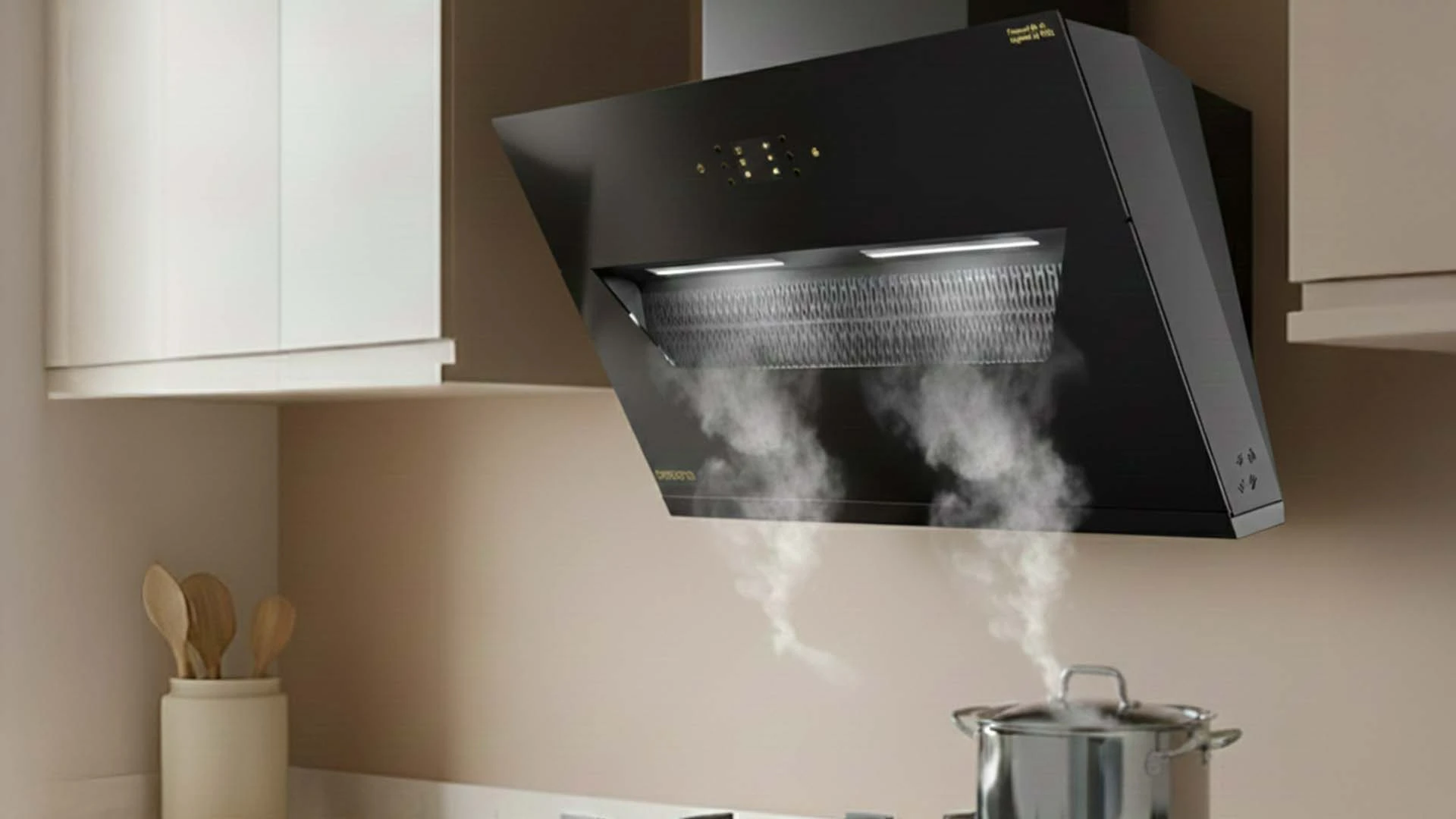
Modern kitchens face unique challenges, especially when space is limited. Compact homes and apartments demand smart solutions that maximize functionality without overwhelming the area. Benefits compact chimney kitchens extend far beyond simple ventilation – they transform how we cook, clean, and enjoy our culinary spaces. These innovative appliances combine powerful performance with space-conscious design, making them essential for contemporary living. Whether you're renovating a small apartment or designing a compact home, understanding how these appliances work can revolutionize your kitchen experience.
Small kitchens present distinct ventilation challenges that traditional solutions often fail to address effectively. Small kitchen chimney units solve these problems by delivering powerful suction in a streamlined package. These appliances fit seamlessly into tight spaces while maintaining the performance standards of larger models. Space optimization becomes crucial when every square inch matters. Compact chimneys typically measure 60-75cm in width, compared to standard 90cm models. This size reduction doesn't compromise functionality – modern engineering ensures these units capture smoke, steam, and odors just as effectively as their larger counterparts. The sleek profile allows for flexible installation options, whether mounted under cabinets or integrated into custom designs. Cost-effectiveness makes compact chimneys attractive for budget-conscious homeowners. Lower material costs, reduced installation complexity, and energy-efficient operation translate to significant savings. Many models consume 30-40% less electricity than full-size units while delivering comparable air purification results.
The advantages of modern kitchen ventilation extend throughout your home, creating healthier and more comfortable living environments. These benefits justify the investment and demonstrate why compact chimneys have become essential modern kitchen appliances.
Kitchen air purification removes harmful particles that accumulate during cooking. Compact chimneys eliminate up to 85% of smoke, grease particles, and volatile organic compounds. This reduction prevents respiratory irritation and creates safer indoor environments for families. Odor elimination happens instantly with proper suction power. Strong cooking smells from spices, fish, or fried foods disappear before spreading throughout the home. This containment preserves the pleasant atmosphere in living areas and bedrooms.
Grease protection saves thousands in cleaning and maintenance costs over time. Without proper ventilation, cooking oils create sticky films on cabinets, walls, and appliances. Compact chimneys capture these particles before they settle, keeping surfaces clean and reducing scrubbing time. Moisture control prevents mold and bacteria growth in kitchen areas. Steam from boiling, steaming, and washing creates humidity that encourages harmful microorganisms. Efficient kitchen ventilation removes this excess moisture, maintaining optimal humidity levels.
Space saving chimney designs maximize available room without sacrificing performance. These units mount flush against walls or integrate into cabinet systems, preserving valuable counter and storage space. The compact footprint allows for creative kitchen layouts that wouldn't accommodate larger appliances. Flexible installation options accommodate various kitchen configurations. Wall-mounted, under-cabinet, and island installations provide solutions for different layouts. This versatility makes compact chimneys suitable for galley kitchens, L-shaped designs, and open-concept spaces.
Choosing the right chimney for small kitchen requires careful measurement and performance calculations. Size directly impacts both effectiveness and visual appeal in compact spaces. For kitchens under 150 square feet, 60cm chimneys provide adequate coverage without overwhelming the space. These units typically offer 800-1000 cubic meters per hour suction capacity, sufficient for most home cooking needs. The compact size allows for easy integration with standard cabinet dimensions. Medium-sized compact kitchens (150-200 square feet) benefit from 75cm models. These units deliver 1000-1200 cubic meters per hour capacity while maintaining the space-conscious profile. The additional width provides better coverage for larger cooktops without dominating the visual space. Open layout considerations may require 90cm units for optimal performance. When kitchens connect directly to living areas, stronger suction prevents cooking odors from spreading. These larger compact models still offer space advantages compared to commercial-grade installations.
Proper suction capacity depends on kitchen volume and cooking habits. Multiply kitchen length × width × height × 10 for basic requirements. Heavy cooking with frequent frying or grilling may require 15-20 times the kitchen volume for effective ventilation. Ducting efficiency affects performance significantly. Shorter, straighter duct runs maintain maximum suction power. Each bend or extension reduces efficiency by 10-15%, requiring higher-capacity units to compensate.
Today's compact kitchen appliances incorporate advanced technology that enhances performance and user experience. These features distinguish modern units from basic ventilation systems. Auto-clean technology reduces maintenance requirements significantly. Self-cleaning cycles use heat and specialized coatings to break down grease deposits automatically. This feature extends filter life and maintains optimal suction power between manual cleanings. Smart controls enable remote operation and monitoring. Touch panels, smartphone apps, and voice activation provide convenient operation. Timer functions, automatic speed adjustment, and maintenance reminders optimize performance while reducing energy consumption. LED lighting systems illuminate cooking surfaces effectively while consuming minimal energy. Adjustable brightness and color temperature options create pleasant cooking environments. Some models include mood lighting features that enhance kitchen ambiance during non-cooking hours.
Modern motors consume 40-50% less electricity than older models while delivering superior performance. Variable speed controls adjust power consumption based on cooking intensity, reducing unnecessary energy use. BLDC motors provide quieter operation and longer service life. Eco-friendly materials and manufacturing processes reduce environmental impact. Recyclable stainless steel construction, energy-efficient components, and reduced packaging demonstrate manufacturer commitment to sustainability.
Compact kitchen design requires careful planning to maximize both function and aesthetics. Proper installation ensures optimal performance while maintaining visual appeal. Optimal placement guidelines recommend 24-30 inches between cooktop and chimney bottom. This distance provides effective capture while allowing comfortable cooking access. Wall-mounted installations require sturdy support brackets rated for the unit's weight plus operational stress. Ducting options for small spaces include external venting and recirculation systems. External venting provides superior performance but requires wall or roof penetrations. Recirculation systems use carbon filters to clean air before returning it to the kitchen, suitable when external venting isn't feasible. Electrical requirements typically include dedicated 15-20 amp circuits for safe operation. Professional installation ensures proper wiring, adequate ventilation clearances, and compliance with local building codes. Many manufacturers offer free installation services to ensure optimal performance.
Color coordination with existing kitchen elements creates seamless visual integration. Stainless steel finishes complement modern appliances, while custom panel options match cabinet fronts. Glass and copper accents add luxury touches without overwhelming small spaces. Cabinet integration techniques hide ductwork and create built-in appearances. Custom enclosures, soffit installations, and panel-ready models blend chimneys into overall kitchen design. These approaches maximize visual space while maintaining full functionality.
Regular maintenance ensures consistent performance and extends appliance life significantly. Simple cleaning routines prevent major problems and maintain optimal air purification effectiveness. Weekly filter cleaning removes accumulated grease and particles. Most filters are dishwasher-safe or require simple soap and water cleaning. Proper drying prevents bacterial growth and maintains filter integrity. Monthly deep cleaning includes interior surfaces, fan blades, and ductwork inspection. Remove accumulated grease from all surfaces using appropriate cleaners. Check for loose connections, unusual noises, or reduced performance indicators. Annual professional servicing addresses complex maintenance needs. Technicians inspect motors, electrical connections, and ductwork integrity. Professional cleaning reaches areas inaccessible during routine maintenance, ensuring optimal long-term performance.
Compact chimney kitchens provide superior air quality improvement, effective odor removal, grease protection for surfaces, and moisture control while optimizing limited kitchen space. They eliminate up to 85% of cooking smoke and harmful particles while fitting seamlessly into small kitchen designs.
For kitchens under 150 square feet, a 60cm chimney provides adequate coverage without overwhelming the space. Medium compact kitchens may require 75cm models, while open layouts might need 90cm units for optimal performance and odor containment.
Compact chimneys remove cooking smoke, eliminate harmful particles, reduce moisture buildup, and prevent grease accumulation that harbors bacteria. They capture pollutants at the source before they spread throughout the home, creating healthier living environments.
Compact models typically measure 60-75cm width versus 90cm+ for regular chimneys. They're optimized for small spaces while maintaining 80-90% of full-size suction power, offering space-saving benefits without significant performance compromise.
Compact chimneys use standard installation methods but offer more flexibility in placement. They require 24-30 inches clearance above cooktops, dedicated electrical circuits, and proper ducting. Many manufacturers provide free installation services to ensure optimal performance.
Compact kitchen chimneys represent the perfect balance between performance and space efficiency for modern homes. These appliances deliver powerful air purification, grease control, and odor elimination while fitting seamlessly into small kitchen designs. The benefits compact chimney kitchens provide extend beyond simple ventilation – they create healthier, cleaner, and more enjoyable cooking environments. With proper sizing, installation, and maintenance, compact chimneys transform small kitchens into efficient, comfortable spaces that rival larger cooking areas in functionality and appeal.
