

Essential Checklist: Choosing Your Deep Frying Burner
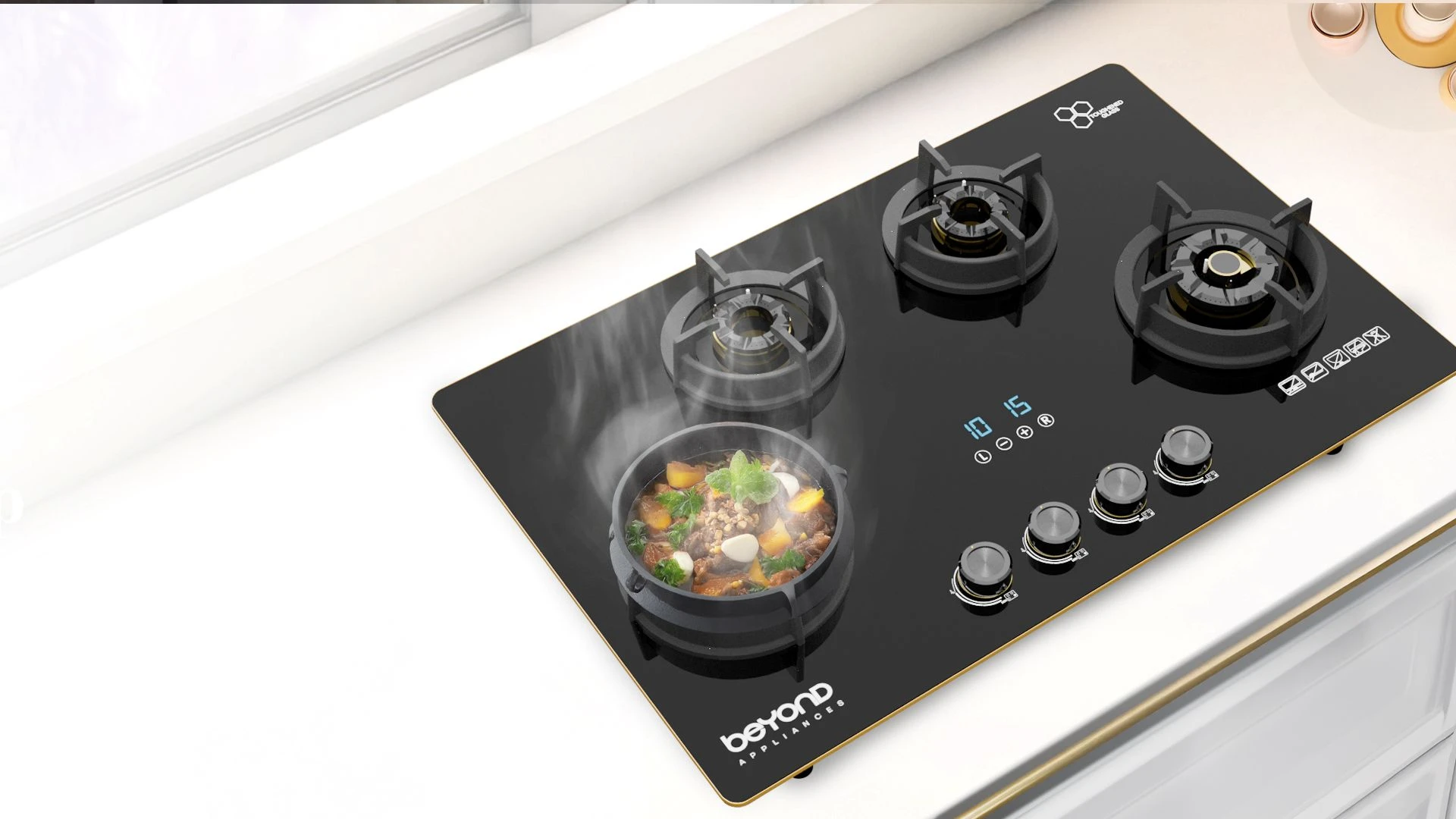
Choosing the right deep frying burner can transform your cooking experience from frustrating to fantastic. Whether you're planning weekend fish fries, preparing crispy vegetables, or exploring international cuisines, the best burner for deep frying makes all the difference. With countless options available—from portable outdoor units to high-powered indoor systems—finding the perfect match requires careful consideration of your specific needs, space, and cooking style.
Deep frying demands consistent, powerful heat that regular cooking burners often can't provide. A quality deep frying burner delivers sustained high temperatures, typically requiring 30,000 to 60,000+ BTU output for effective results. This intense heat ensures oil reaches and maintains the ideal 350-375°F range, creating that perfect crispy exterior while keeping food tender inside. Heat distribution plays a crucial role in successful deep frying. Uneven heating creates hot spots that can burn food or cause oil to break down prematurely. Professional-grade burners feature specially designed flame patterns that distribute heat evenly across the pot bottom, maintaining consistent oil temperature throughout the cooking process. Temperature control becomes critical when working with large volumes of hot oil. The best systems offer precise flame adjustment, allowing you to quickly respond to temperature fluctuations when adding food. Safety considerations include automatic shut-off features, stable mounting systems, and proper ventilation requirements for indoor use.
Selecting the right burner type depends on your cooking location, frequency of use, and specific requirements. Each category offers distinct advantages for different cooking scenarios.
Outdoor fryer burner systems excel in providing maximum heat output without indoor ventilation concerns. These units typically feature weather-resistant construction and portability for backyard gatherings or camping trips. Most outdoor models deliver 40,000-100,000+ BTU output, perfect for large-batch frying.
Compact single burner fryer units work well for small kitchens or occasional use. These systems balance power with space efficiency, typically offering 15,000-30,000 BTU output. Electric versions provide precise temperature control, while gas models deliver faster heating and higher maximum temperatures.
High pressure burner systems deliver commercial-grade performance for serious home cooks. These units feature specialized regulators and burner designs that maximize heat transfer efficiency. Professional models can reach 100,000+ BTU output, making them ideal for large-volume cooking or restaurant-style preparation.
Wok burner designs offer excellent versatility for deep frying and stir-frying applications. Their concentrated flame pattern works perfectly with round-bottom pots and provides excellent heat control. Cast iron burner construction ensures superior heat retention and even distribution, though these units typically weigh more than aluminum alternatives.
Evaluating key features helps ensure your chosen burner meets both current needs and future cooking ambitions. Focus on these critical elements during your selection process.
BTU requirements vary based on your typical frying volume. Small batches (1-2 servings) work well with 20,000-30,000 BTU units, while family-sized portions need 40,000-60,000 BTU output. Adjustable burner controls allow precise flame modulation, essential for maintaining optimal oil temperatures during cooking.
Automatic shut-off mechanisms protect against gas leaks and overheating situations. Stable base designs prevent accidental tipping, while heat shields protect surrounding surfaces. Look for units with safety certifications from recognized testing laboratories.
Stainless steel construction offers excellent corrosion resistance and easy cleaning. Cast iron components provide superior heat retention but require more maintenance. Consider your intended use environment when selecting materials—outdoor units need weather-resistant finishes.
Portable fryer burner units offer flexibility for outdoor cooking and storage convenience. Consider weight, folding mechanisms, and carrying handles if you plan to transport your burner regularly. Compact designs work well for small spaces but may limit pot size options.
Fuel choice significantly impacts performance, cost, and installation requirements. Understanding the trade-offs helps guide your decision.
Propane burner for frying systems deliver maximum heat output and instant temperature control. These units work anywhere with proper ventilation, making them ideal for outdoor cooking. Operating costs typically run lower than electric alternatives, especially for high-volume cooking.
Electric units offer precise temperature control and safer indoor operation. They eliminate concerns about gas leaks and provide consistent heat output. However, electric models typically can't match the maximum BTU output of gas alternatives and may have higher operating costs.
Understanding what features different price points offer helps optimize your investment. Quality frying equipment spans a wide range of capabilities and costs.
Entry-level units provide basic functionality for occasional use. These models typically offer 15,000-25,000 BTU output with manual controls. While lacking advanced safety features, they work well for beginners or infrequent frying.
Mid-tier options balance features with affordability. Expect 30,000-50,000 BTU output, improved safety systems, and better build quality. These units suit regular home cooks who want reliable performance without premium pricing.
High-end models deliver commercial-grade performance with advanced safety features. Professional units offer 60,000+ BTU output, precision controls, and superior construction materials. These investments pay off for serious cooking enthusiasts or small commercial operations.
Proper installation and maintenance ensure safe operation and extend equipment life. Following manufacturer guidelines protects your investment and family safety.
Ventilation requirements vary by fuel type and BTU output. Gas units need adequate airflow to prevent carbon monoxide buildup, while high-output burners require clearance from combustible materials. Always test connections and controls before first use.
Regular cleaning prevents grease buildup and maintains optimal performance. Store outdoor units in dry locations during off-seasons to prevent corrosion. Replace worn components promptly to maintain safety and efficiency.
Most home deep frying requires 30,000-50,000 BTU for optimal results. Higher outputs work better for large batches or outdoor cooking in windy conditions.
Outdoor burners typically aren't safe for indoor use due to ventilation requirements and safety certifications. Always check manufacturer specifications before indoor installation.
Consider your cooking location flexibility needs. Portable units offer versatility but may sacrifice some stability and heat output compared to fixed installations.
Wok burners feature concentrated flame patterns optimized for round-bottom cookware, while deep frying burners typically provide broader, more even heat distribution.
Quality burners can last 10-15 years with proper maintenance. Replace units showing signs of corrosion, uneven heating, or safety system failures.
Look for certifications from recognized testing laboratories. These ensure the unit meets safety standards for your intended use environment.
Selecting the best burner for deep frying requires balancing heat output, safety features, and your specific cooking needs. Consider your typical batch sizes, cooking location, and budget when evaluating options. Quality units provide years of reliable service while ensuring safe, delicious results. Remember that proper installation and maintenance protect your investment and family safety.
