

Essential Checklist: Choosing the Right Modern Hob
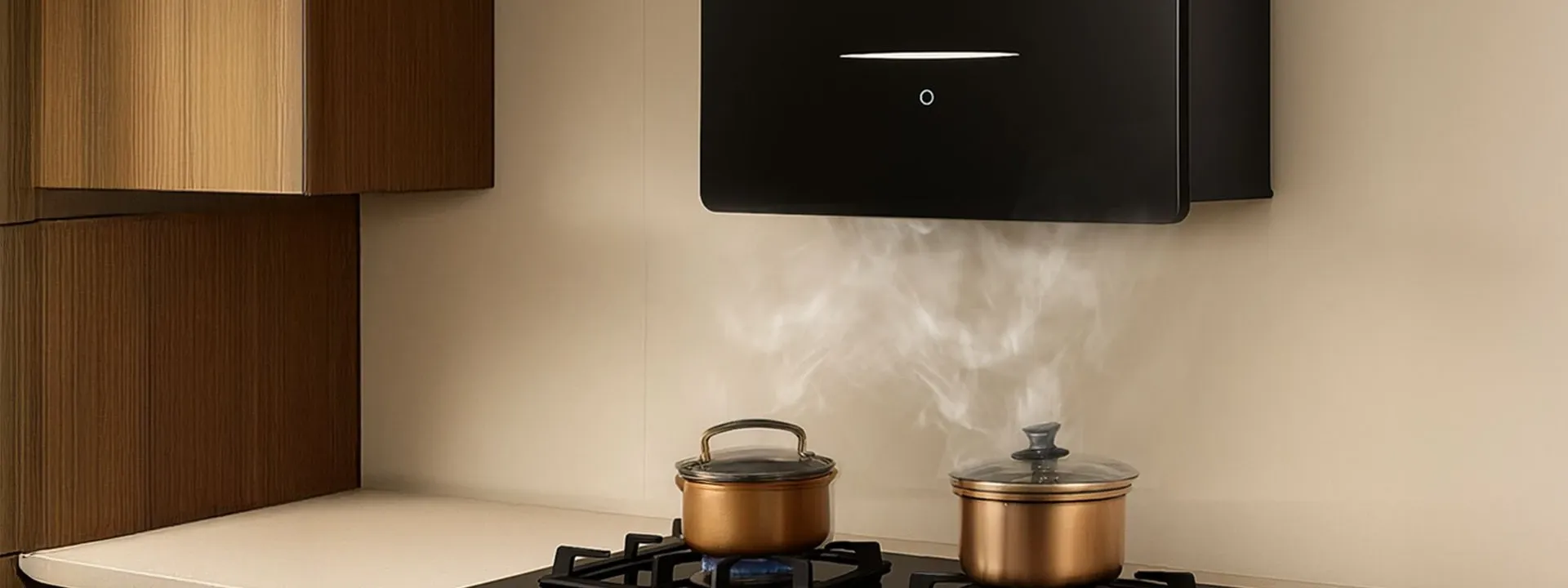
Selecting the perfect hob for your kitchen involves understanding the various types of modern hobs available and matching them to your cooking style, budget, and kitchen setup. With technology advancing rapidly, today's hobs offer impressive features like smart timers, energy efficiency ratings above 90%, and sleek designs that complement any modern kitchen. Whether you're renovating your entire kitchen or simply upgrading your cooking surface, making an informed choice ensures years of reliable performance and cooking satisfaction.
The modern kitchen offers five distinct types of modern hobs, each designed to meet specific cooking needs and lifestyle preferences. Understanding these kitchen hobs helps you make the right choice for your home. From traditional gas flames to cutting-edge induction technology, each type brings unique advantages to your cooking experience.
The gas hob remains a favorite among cooking enthusiasts who value instant heat control and visual flame indicators. Modern gas hobs achieve 40-50% energy efficiency while providing the precise temperature control that professional chefs prefer. Safety features like flame failure devices automatically cut off gas supply if flames go out unexpectedly, while auto-ignition systems eliminate the need for manual lighting.
The induction hob leads in energy efficiency with an impressive 90% rating, making it the most energy efficient hob available. This technology heats cookware directly through magnetic fields, resulting in faster cooking times and precise temperature control. However, induction hobs require compatible magnetic cookware, typically made from cast iron or magnetic stainless steel.
The electric hob offers 70-80% energy efficiency with consistent heating across all cooking zones. These cooktops provide reliable performance with easy installation requirements and straightforward maintenance. Electric hobs work well for steady cooking tasks and offer excellent temperature consistency once heated.
The ceramic hob features a smooth glass surface that's easy to clean and provides even heat distribution. Touch controls and modern aesthetics make these hobs perfect for style-conscious kitchens. The flat surface prevents spills from seeping into crevices, making cleanup simple and efficient.
The portable hob offers space-saving solutions for small kitchens, studio apartments, or outdoor cooking. Available in single and double burner configurations, these compact units provide cooking flexibility without permanent installation requirements.
When evaluating hob features, focus on safety, control systems, and size configurations that match your cooking habits. Modern hobs incorporate advanced safety mechanisms and user-friendly controls that enhance both cooking performance and kitchen safety. Consider these features as essential components of your hob buying guide.
Auto-ignition systems eliminate the need for matches or lighters, while flame failure devices provide crucial safety protection. Child safety locks prevent accidental activation, and residual heat indicators warn when surfaces remain hot after cooking. Overheat protection and automatic shut-off features add extra safety layers.
Touch controls offer precise temperature adjustment and easy cleaning, while rotary knobs provide tactile feedback preferred by many cooks. Digital displays show cooking zones, timer functions, and power levels clearly. Zone flexibility allows different burner sizes to accommodate various cookware dimensions.
Choose from 2-5 cooking zones based on your family size and cooking frequency. Compact dimensions suit smaller kitchens, while standard sizes provide more cooking space. Built-in models integrate seamlessly with countertops, while freestanding options offer installation flexibility.
Understanding energy efficiency helps you choose energy efficient hobs that reduce monthly utility bills while supporting environmental sustainability. Each hob type offers different efficiency levels that directly impact your cooking costs and energy consumption patterns.
Induction hobs achieve 90% efficiency by heating cookware directly without energy loss to surrounding air. Electric hobs reach 70-80% efficiency through direct heat transfer to cooking surfaces. Gas hobs operate at 40-50% efficiency due to heat loss around cookware edges, though they often cost less to operate due to lower gas prices.
Average cooking usage of 2 hours daily results in different monthly costs: induction hobs typically cost INR 400-600 monthly, electric hobs range from INR 500-700, while gas hobs average INR 300-500 depending on local fuel prices. Consider long-term savings when investing in higher-efficiency models.
Proper installation ensures safe operation and optimal performance of your chosen hob type. Different kitchen hobs require specific electrical, gas, or ventilation considerations that affect installation complexity and costs.
Induction and electric hobs need dedicated electrical circuits with appropriate amperage ratings. Most models require 15-20 amp circuits with proper grounding for safety. Professional installation ensures compliance with electrical codes and manufacturer warranties.
Gas hobs require proper gas line connections and adequate ventilation for safe operation. LPG and PNG compatibility varies by model, so verify fuel type compatibility before purchase. Professional installation ensures proper connections and safety compliance.
Built-in installation requires precise cutout dimensions and heat-resistant materials around the hob. Adequate clearances prevent heat damage to surrounding cabinets. Consider integration with existing kitchen designs and future renovation plans.
Regular maintenance extends hob lifespan and ensures optimal performance across all cooking zones. Each hob type requires specific cleaning methods and maintenance schedules to preserve functionality and appearance.
Ceramic and induction surfaces clean easily with specialized glass cleaners and soft cloths. Gas hobs require burner cap removal for thorough cleaning of spill trays and flame ports. Electric coil elements need gentle cleaning to prevent damage to heating elements.
Annual professional servicing ensures gas connections remain secure and electrical components function properly. Component replacement typically occurs every 5-7 years for heating elements and control systems. Regular maintenance prevents costly repairs and maintains warranty coverage.
Your hob buying guide should include budget planning that balances initial costs with long-term value and operating expenses. Different price ranges offer varying features, build quality, and warranty coverage.
Entry-level hobs under INR 15,000 provide basic functionality with standard safety features. Mid-range options between INR 15,000-35,000 include advanced controls, better build quality, and extended warranties. Premium models above INR 35,000 offer smart features, superior materials, and comprehensive service support.
Standard warranties range from 1-3 years depending on brand and model category. Extended warranty options provide additional coverage for major components. Service network availability affects repair convenience and maintenance costs throughout the hob's lifespan.
The five main types include gas hobs with flame control, induction hobs with magnetic heating, electric hobs with coil or solid plate elements, ceramic hobs with smooth glass surfaces, and portable hobs for flexible cooking solutions.
Induction hobs achieve 90% energy efficiency, making them the most energy-efficient option. They heat cookware directly through magnetic fields, reducing energy waste and cooking times significantly compared to other hob types.
Measure your available countertop space and consider your cooking habits. Small families typically need 2-3 burners, while larger households benefit from 4-5 cooking zones. Ensure adequate clearance around the hob for safety and functionality.
Gas hobs require professional installation for safety and warranty compliance. Electric and induction hobs need proper electrical connections that typically require qualified electricians. DIY installation may void warranties and create safety risks.
Induction hobs require magnetic cookware made from cast iron, magnetic stainless steel, or enameled steel. Test cookware compatibility by checking if a magnet sticks to the bottom. Aluminum, copper, and non-magnetic stainless steel won't work without magnetic base adapters.
Choosing the right hob involves balancing energy efficiency, cooking preferences, budget constraints, and kitchen compatibility. Induction hobs offer superior energy efficiency and safety features, while gas hobs provide instant heat control preferred by cooking enthusiasts. Consider installation requirements, maintenance needs, and long-term operating costs when making your final decision. Remember that proper installation and regular maintenance ensure optimal performance and safety regardless of the hob type you choose.
