

Essential Checklist: Choosing the Perfect Built-In Hob
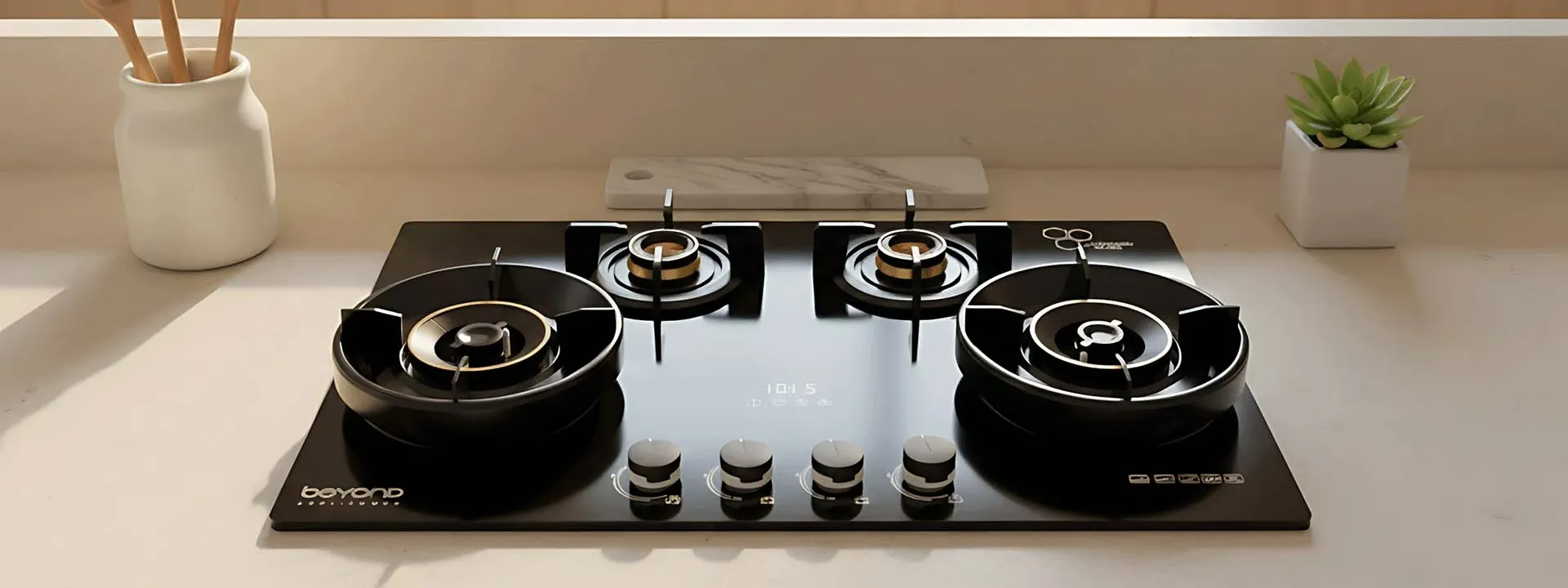
Choosing the right built-in hob can transform your cooking experience and elevate your kitchen's functionality. With numerous options available in today's market, making the right choice requires careful consideration of various factors. From space optimization to energy efficiency, the advantages of built-in hob installations extend far beyond simple cooking convenience. This comprehensive guide will walk you through everything you need to know to make an informed decision that perfectly matches your cooking needs and kitchen design.
Built-in hobs have revolutionized kitchen design by offering seamless integration with countertops and creating a sophisticated cooking environment. These appliances provide a clean, streamlined appearance that enhances your kitchen's overall aesthetic appeal while maximizing functionality. The built in hob benefits extend to property value enhancement, as modern homebuyers increasingly seek kitchens with integrated appliances. Unlike traditional freestanding cooktops, built-in models create a professional cooking experience that rivals commercial kitchens. Safety improvements include better heat distribution, reduced risk of accidental contact with hot surfaces, and enhanced stability during cooking.
The advantages of built-in hob systems make them an excellent investment for any modern kitchen. These appliances offer superior space optimization by creating more usable counter space around the cooking area. The seamless integration eliminates gaps where food particles and grease can accumulate, making cleaning significantly easier. Energy efficiency stands out as a major benefit, with advanced heating technologies that reduce cooking times and lower utility bills. Modern built-in hobs feature precise temperature controls that prevent energy waste while ensuring consistent cooking results. The integrated hob advantages include enhanced safety features such as child locks, automatic shut-off systems, and residual heat indicators that protect your family.
Built-in hobs maximize counter space by eliminating bulky edges and creating smooth transitions between cooking surfaces and countertops. This design approach allows for better workflow in the kitchen.
Modern built-in hobs include advanced safety mechanisms like flame failure devices for gas models and overheating protection for electric versions. These features provide peace of mind during cooking.
Understanding the different types of built in hobs helps you choose the perfect model for your cooking style and kitchen requirements. Each type offers unique advantages that cater to specific cooking preferences and energy considerations. Induction hobs lead in energy efficiency, using electromagnetic fields to heat cookware directly while keeping the surface relatively cool. Gas hobs provide instant heat control with visible flames, making them preferred by professional chefs. Electric ceramic hobs offer even heating distribution and sleek appearances that complement modern hob design trends.
Induction technology provides precise temperature control and rapid heating, making it ideal for busy households. These hobs only heat when compatible cookware is placed on the surface, enhancing safety and energy efficiency.
Gas hobs offer immediate heat adjustment and work with all types of cookware. The visual flame control allows for intuitive cooking adjustments, making them popular among cooking enthusiasts.
Ceramic hobs provide smooth surfaces that are easy to clean and maintain. They offer consistent heating patterns and integrate seamlessly with contemporary kitchen designs.
The space saving hob designs available today cater specifically to smaller kitchens without compromising cooking functionality. Compact built-in hobs maximize cooking zones within minimal space, offering efficient solutions for apartments and smaller homes. Compact hob features include multi-zone efficiency that allows simultaneous cooking of multiple dishes. Flexible installation options enable integration with kitchen islands, peninsulas, or traditional counter configurations. These designs optimize workflow while maintaining the aesthetic appeal of larger kitchen installations.
Compact hobs often feature overlapping cooking zones that can accommodate larger pans when needed, providing versatility in smaller spaces.
Modern compact hobs can be installed in various configurations, including corner installations and narrow counter spaces, maximizing kitchen utility.
Understanding hob installation pros and requirements ensures a successful setup that meets safety standards and warranty conditions. Professional installation guarantees proper electrical or gas connections, adequate ventilation, and compliance with local building codes. Electrical requirements vary by hob type, with induction models typically requiring dedicated circuits. Gas installations need proper ventilation and certified connections to ensure safety. Professional installers assess your kitchen's infrastructure and recommend necessary modifications before installation.
Proper power supply and gas line specifications are crucial for safe operation. Professional assessment ensures your kitchen can support the chosen hob type.
Adequate ventilation prevents heat buildup and ensures optimal performance. Professional installation includes proper clearance measurements and ventilation planning.
Hob cooking convenience features in modern built-in models include programmable timers, temperature sensors, and smart connectivity options. These technologies enhance cooking precision while reducing energy consumption through optimized heating cycles. Hob energy efficiency improvements in recent models can reduce cooking costs by up to 30% compared to older appliances. Advanced features like boost functions provide rapid heating when needed, while eco-modes maintain optimal energy usage during regular cooking. Integration with smart home systems allows remote monitoring and control, adding convenience to your cooking routine.
Modern hobs connect to smartphone apps for remote control and monitoring, allowing you to adjust settings and receive notifications about cooking progress.
Advanced heating elements and intelligent power management systems optimize energy consumption while maintaining cooking performance.
This comprehensive hob buying guide checklist ensures you consider all essential factors before making your purchase decision. Start by measuring your available space accurately, including depth and width requirements for proper installation.
Measure available counter space and cutout dimensions
Determine electrical or gas supply requirements
Choose hob type based on cooking preferences and energy costs
Consider long-term operating costs and energy efficiency ratings
Verify warranty coverage and local service availability
Budget for professional installation and any necessary modifications
Select appropriate accessories like compatible cookware for induction models
Review safety features and child protection options
Compare control types and user interface preferences
Evaluate cleaning and maintenance requirements
Consider your cooking habits and family size when selecting the number of cooking zones. Factor in future needs and potential kitchen renovations that might affect your hob choice.
Built-in hobs offer superior space optimization, easier cleaning, enhanced safety features, and seamless kitchen integration. They provide better heat distribution and often include advanced features like precise temperature controls and energy-efficient heating technologies.
Professional installation costs range from INR 2,000 to INR 8,000 depending on complexity, location, and any required modifications to electrical or gas connections. This investment ensures safety compliance and warranty protection.
Induction hobs are generally the most energy efficient, converting up to 90% of energy directly to heat compared to 40-50% for gas hobs. They also offer precise temperature control and faster cooking times.
While possible for some electric models, professional installation is strongly recommended for safety and warranty reasons. Gas hobs require certified installation, and electrical work should meet local codes to prevent safety hazards.
Measure your available counter space and consider your cooking needs. Standard sizes range from 30cm to 90cm width. Choose based on family size, cooking frequency, and available counter space while ensuring adequate clearance around the installation area.
Selecting the perfect built-in hob requires careful consideration of your cooking needs, kitchen space, and long-term goals. The advantages of built-in hob installations extend beyond immediate cooking convenience to include energy efficiency, enhanced safety, and improved kitchen aesthetics. Whether you choose induction, gas, or electric ceramic technology, professional installation ensures optimal performance and safety compliance. Take time to evaluate all factors in this checklist to make an informed decision that will serve your family's cooking needs for years to come.
