

Essential Checklist: Choosing Designer Kitchen Chimneys
Choosing the right designer kitchen chimneys transforms your cooking space from functional to fabulous. Modern homeowners want appliances that blend seamlessly with their kitchen aesthetics while delivering powerful performance. Designer range hoods offer the perfect combination of style and substance, making them essential elements in contemporary kitchen design. Whether you're renovating or building new, selecting the right chimney requires careful consideration of design elements, functionality, and budget. This comprehensive checklist guides you through every decision point to find your perfect match.
Designer kitchen chimneys elevate your cooking space with premium materials, sophisticated finishes, and architectural appeal. Unlike standard models that focus purely on function, these units serve as statement pieces that complement your kitchen's design theme. The distinction lies in attention to detail. Premium stainless steel construction, tempered glass panels, and sleek LED lighting create visual impact. Many feature touch controls, digital displays, and smart connectivity options. The build quality typically exceeds standard models, with reinforced mounting systems and precision engineering. Designer range hoods integrate seamlessly with modern kitchen layouts. They coordinate with cabinet finishes, complement lighting schemes, and enhance the overall aesthetic. Whether your style leans minimalist, industrial, or traditional, designer options exist to match your vision.
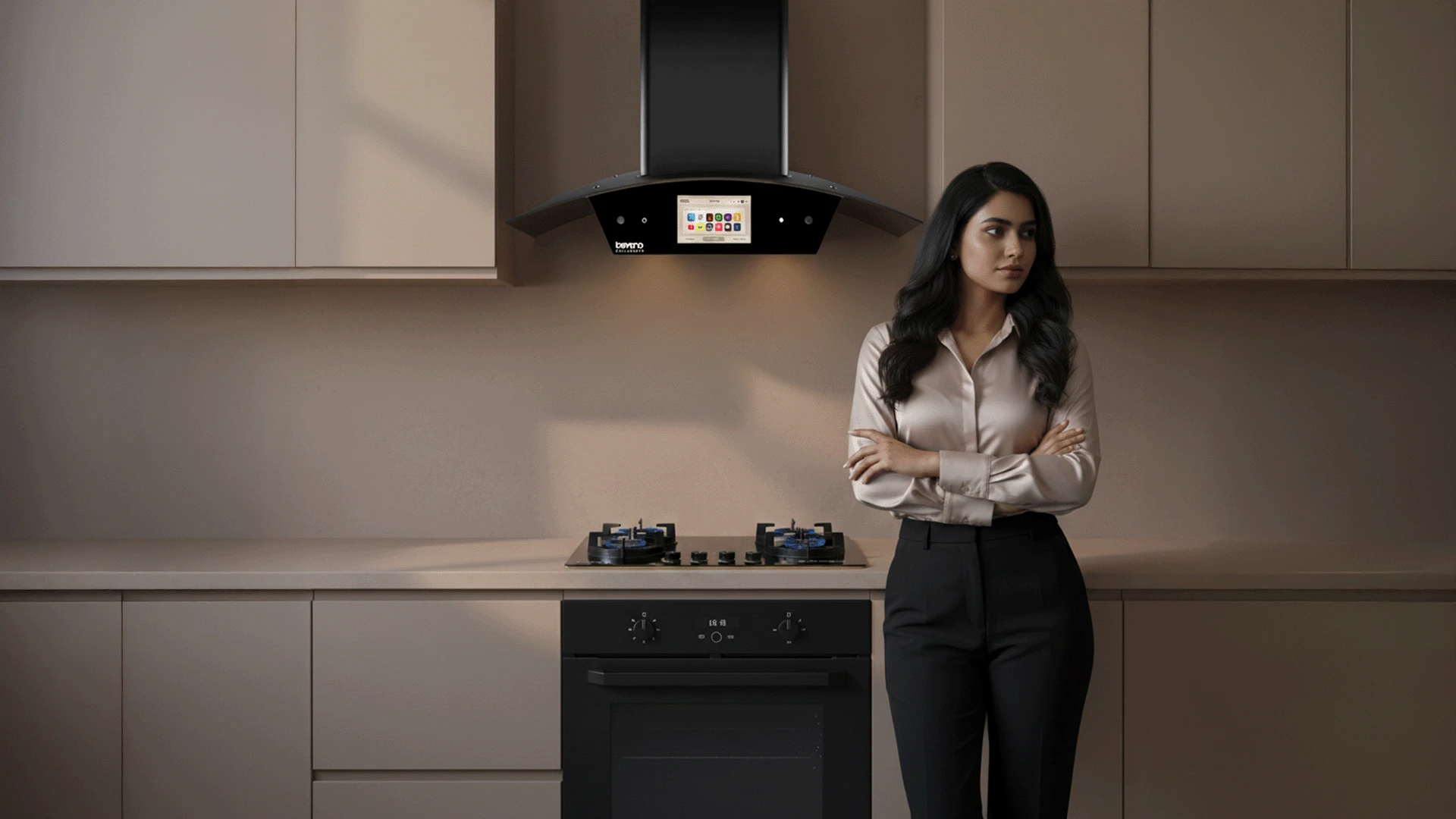
Selecting the right type depends on your kitchen layout, cooking habits, and design preferences. Each style offers unique advantages for different spaces and requirements. Wall mounted chimney designs work perfectly for traditional galley kitchens and L-shaped layouts. These units attach directly to the wall above your cooktop, offering excellent suction power and easy installation. Popular styles include pyramid, curved, and straight designs that complement various cabinet configurations.
Island chimney solutions create dramatic focal points in open-concept kitchens. These ceiling-suspended units require careful planning for electrical and ducting connections. They work best in kitchens with adequate ceiling height and central cooking islands. Ceiling-mounted models offer 360-degree access, making them ideal for large cooking surfaces. Consider the visual weight and ensure your ceiling structure can support the installation.
Compact kitchen chimney options maximize functionality in smaller spaces. These units typically measure 60cm or less in width while maintaining powerful suction capabilities. Slant and curved designs help create the illusion of more space while providing effective ventilation. Built-in models integrate completely with cabinetry for seamless aesthetics. These require precise planning during kitchen design but offer the cleanest visual lines.
Performance features determine how well your chimney handles cooking demands while maintaining its designer appeal. Focus on these critical specifications when comparing models. Suction power, measured in cubic meters per hour, should match your cooking intensity. For regular Indian cooking, aim for 400-600 CMH for small kitchens, 600-800 CMH for medium spaces, and 800+ CMH for large or commercial-style kitchens. Auto-clean technology reduces maintenance while preserving the unit's appearance. Heat sensor activation and timer controls add convenience. Variable speed settings allow you to adjust performance based on cooking requirements.
Touch panel controls offer sleek operation without protruding buttons. Some models feature gesture controls or smartphone connectivity. LED lighting provides task illumination while enhancing the unit's visual appeal. Noise levels matter significantly in open kitchen designs. Look for models with noise ratings below 58 decibels for comfortable operation during conversations.
BLDC motors consume less electricity while providing superior performance. Energy-efficient models reduce operating costs and environmental impact. Check for BEE star ratings when available. Filter efficiency affects both performance and maintenance. Baffle filters work best for Indian cooking, while mesh filters suit lighter cooking styles. Some premium models feature multiple filter stages for enhanced effectiveness.
Budget planning helps narrow your options while ensuring you get the best value for your investment. Chimney price varies significantly based on size, features, and brand positioning. Entry-level designer models start around INR 15,000-25,000. These offer basic auto-clean features, decent suction power, and attractive designs. Mid-range options from INR 25,000-45,000 include advanced features like gesture controls, premium finishes, and higher suction capacity. Premium designer chimneys range from INR 45,000-80,000 or more. These feature cutting-edge technology, superior build quality, and exclusive designs. Consider long-term value including warranty coverage, service availability, and energy efficiency.
Size significantly impacts pricing, with larger units commanding premium prices. Feature complexity, brand reputation, and build quality also influence costs. Installation charges typically range from INR 1,500-3,500 depending on complexity. Warranty coverage varies from 2-5 years on different components. Extended warranty options provide additional peace of mind for premium purchases. Factor in potential maintenance costs and filter replacement expenses.
Proper installation ensures optimal performance and maintains your kitchen's design integrity. Planning ahead prevents costly modifications and ensures seamless integration. Kitchen ventilation requirements include adequate clearance above the cooktop. Maintain 24-30 inches between the chimney and gas burners, or 20-24 inches for electric cooktops. Ceiling height affects island chimney installations significantly. Electrical planning includes dedicated circuits for high-power units. Ducting routes should be as direct as possible to maintain suction efficiency. Consider external wall locations for duct termination.
Professional installation ensures proper mounting, electrical connections, and ducting. Most manufacturers require professional installation to maintain warranty coverage. DIY installation risks safety issues and performance problems. Coordinate installation timing with other kitchen work. Install chimneys after cabinet installation but before final electrical work. This sequence prevents damage and ensures proper fit.
Regular maintenance preserves both performance and appearance of your designer chimney. Different finishes require specific care approaches to maintain their aesthetic appeal. Stainless steel surfaces need regular cleaning with appropriate products to prevent water spots and fingerprints. Glass panels require streak-free cleaners for crystal-clear appearance. Avoid abrasive cleaners that can damage premium finishes. Filter maintenance schedules depend on cooking frequency and style. Heavy cooking requires monthly filter cleaning, while light use extends intervals to 2-3 months. Auto-clean features reduce manual maintenance but don't eliminate filter care entirely.
Protect special finishes from harsh chemicals and abrasive cleaning tools. Use manufacturer-recommended cleaning products when available. Regular gentle cleaning prevents buildup that requires aggressive removal methods. Replace worn components promptly to maintain appearance and performance. Keep spare filters and bulbs on hand for quick replacements. Document maintenance schedules to track performance and warranty requirements.
Designer kitchen chimneys feature premium materials, sophisticated finishes, and enhanced aesthetics compared to basic models. They often include advanced features like touch controls, smart connectivity, and architectural design elements that complement modern kitchens.
Wall-mounted chimneys with sleek profiles work well for most modern kitchens. Island chimneys create dramatic focal points in open layouts. Choose based on your kitchen size, layout, and design preferences.
Select a chimney width that matches or exceeds your cooktop width. For suction power, calculate based on kitchen volume and cooking intensity. Small kitchens need 400-600 CMH, medium spaces require 600-800 CMH, and large kitchens need 800+ CMH.
Premium models offer superior build quality, advanced features, and longer lifespans. They provide better performance, enhanced aesthetics, and often include comprehensive warranties. Consider your budget, cooking habits, and long-term value when deciding.
Regular filter cleaning every 1-3 months depending on usage, periodic exterior cleaning with appropriate products, and annual professional servicing help maintain performance and appearance. Auto-clean features reduce but don't eliminate maintenance requirements.
Compact designer models work perfectly in small kitchens. Choose space-saving designs like slant or curved models that provide adequate clearance while maintaining powerful suction. Proper sizing ensures effective ventilation without overwhelming the space.
Selecting the perfect designer kitchen chimney requires balancing aesthetics, performance, and budget considerations. Focus on suction power appropriate for your cooking style, choose designs that complement your kitchen theme, and invest in quality features that enhance daily use. Proper installation and regular maintenance ensure your investment delivers years of reliable service while maintaining its visual appeal. Remember that the best kitchen chimney combines form and function seamlessly, creating a cooking environment that's both beautiful and highly functional.
