

Essential Checklist: Choosing Compact Kitchen Hoods
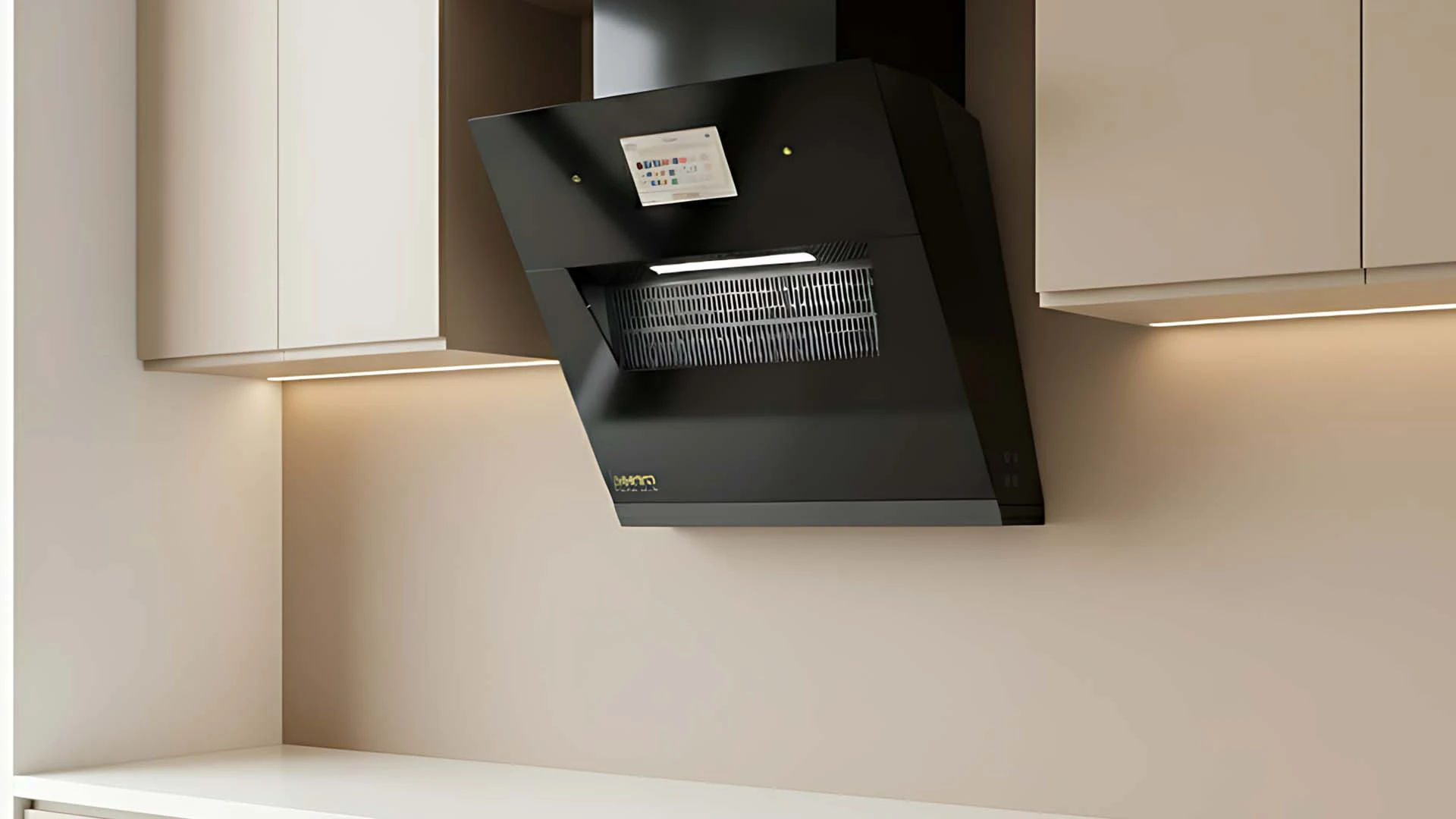
Compact kitchen hoods have become essential appliances for modern homes, especially as living spaces become smaller and more efficient. These space-saving ventilation solutions offer powerful performance without overwhelming your kitchen's design. Whether you're renovating a small apartment or designing a contemporary home, understanding the benefits compact kitchen hoods provide will help you make an informed decision that enhances both functionality and style.
Today's homes face unique challenges that make modern kitchen ventilation more important than ever. Space constraints in contemporary apartments and condos demand appliances that maximize efficiency without sacrificing performance. Open-concept designs, while beautiful, can allow cooking odors and smoke to spread throughout living areas without proper ventilation. Compact hoods address these challenges by providing powerful air filtration in streamlined designs. They integrate seamlessly with smart home systems, offering remote control and automated operation. Energy efficiency becomes crucial in smaller spaces where every appliance impacts utility costs. These hoods deliver professional-grade ventilation while maintaining the clean, minimalist aesthetic that modern homeowners prefer.
Compact designs make efficient use of vertical space above cooking surfaces. They fit perfectly in galley kitchens, studio apartments, and homes with lower ceiling heights. Installation flexibility allows placement under cabinets or as wall-mounted units without overwhelming the visual space.
Smaller hoods typically cost less than full-size models while providing adequate ventilation for most cooking needs. Lower energy consumption reduces operational costs. Simplified installation often means reduced labor expenses during kitchen renovations.
Understanding the comprehensive kitchen hood benefits helps justify this important investment in your home. These appliances provide multiple advantages that extend far beyond basic ventilation, improving your daily cooking experience and protecting your home's value.
Compact hoods remove up to 98% of grease particles and cooking fumes from your kitchen air. They eliminate harmful pollutants including carbon monoxide, nitrogen dioxide, and volatile organic compounds that cooking produces. This protection prevents respiratory issues that can develop from prolonged exposure to cooking byproducts. Proper ventilation maintains fresh indoor air circulation throughout your home. This becomes especially important in smaller spaces where cooking odors can quickly overwhelm living areas. Quality kitchen air quality management protects family health and creates a more comfortable environment.
Grease particles that escape into the air settle on surfaces, cabinets, and appliances. Compact hoods capture these particles before they spread, significantly reducing cleaning requirements. Your kitchen stays cleaner longer, and deep cleaning becomes less frequent and less intensive. Protecting kitchen surfaces from grease buildup extends the life of cabinets, countertops, and other appliances. This protection saves money on replacement and refinishing costs over time. Fabrics and furniture in open-concept homes also benefit from reduced odor absorption.
Excess heat and steam removal creates a more comfortable cooking environment. This becomes particularly important during summer months or when preparing multiple dishes simultaneously. Better visibility while cooking improves safety and cooking results. Temperature control becomes easier when heat from cooking doesn't overwhelm the kitchen space. This comfort enhancement makes cooking more enjoyable and encourages home meal preparation. Efficient kitchen hoods operate quietly, maintaining a peaceful cooking environment.
Modern ventilation systems serve as selling points for potential buyers. Energy-efficient features attract eco-conscious purchasers who value sustainable home features. Sleek, contemporary designs enhance overall kitchen aesthetics and contribute to a modern home appearance. Compliance with building codes and standards ensures your home meets current requirements. This compliance protects your investment and prevents issues during home sales or inspections.
Choosing the right type of small kitchen hoods depends on your kitchen layout, installation requirements, and performance needs. Each style offers unique advantages that suit different situations and preferences.
Under cabinet hoods provide space-saving installation beneath existing cabinetry. These models work perfectly in galley kitchens and compact layouts where ceiling height is limited. Available in various widths including 24-inch, 30-inch, and 36-inch options to match different cooktop sizes. Ducted configurations offer superior performance by venting air outside. Ductless models provide flexibility when external venting isn't possible. Both options deliver effective ventilation while maintaining clean lines under cabinets.
Chimney-style compact range hoods offer minimal visual impact with maximum performance. These wall-mounted units work well in contemporary kitchens where clean lines and modern aesthetics are priorities. Island installation options provide ventilation for kitchen islands without overwhelming the space. Auto-clean technology and filterless designs reduce maintenance requirements. Sleek stainless steel finishes complement modern appliance packages and kitchen designs.
Portable options provide flexibility for rental properties and temporary setups. These units require no external venting, making installation simple and reversible. Carbon filter technology effectively removes odors while recirculating cleaned air back into the kitchen. Performance limitations include reduced effectiveness compared to ducted models. Regular filter replacement becomes essential for maintaining optimal performance.
Space saving hoods incorporate innovative design features that deliver professional performance in compact packages. These appliances prove that size doesn't determine effectiveness when engineering focuses on efficiency and smart design.
Optimal CFM ratings ensure adequate ventilation for small kitchen spaces. Most compact hoods provide 200-400 CFM, sufficient for typical home cooking needs. Noise levels under 3 sones maintain comfortable operation without disrupting conversation or entertainment. Multi-speed fan controls provide versatile operation for different cooking methods. Low speeds handle light cooking while higher speeds manage heavy frying or grilling. LED lighting integration provides excellent task illumination while consuming minimal energy.
Stylish kitchen hoods complement modern kitchen design through careful attention to materials and finishes. Stainless steel options match appliance packages while glass panels create contemporary appeal. Custom panel options allow integration with existing cabinetry for seamless appearance. Color coordination ensures the hood enhances rather than disrupts kitchen aesthetics. Minimalist profiles maintain clean lines that modern homeowners prefer. Quality construction ensures long-term durability and continued attractive appearance.
Making the right choice requires careful evaluation of your specific needs and kitchen requirements. This comprehensive checklist ensures you select compact kitchen hoods that provide optimal performance and value.
Measure available space carefully, including height clearances and width requirements. Standard clearance between cooktop and hood ranges from 24-30 inches depending on the model. Assess ducting options and determine if external venting is possible or if ductless operation is necessary. Consider electrical requirements including outlet placement and circuit capacity. Evaluate whether cabinet modifications are needed for proper installation. Professional assessment may be necessary for complex installations or older homes.
Calculate required CFM based on your cooking habits and kitchen size. General guidelines suggest 100 CFM per linear foot of cooktop width. Compare ducted versus ductless efficiency ratings, noting that ducted models typically provide superior performance. Review noise levels to ensure comfortable operation. Models operating under 3 sones provide quiet performance suitable for open-concept homes. Assess filter types and replacement costs to understand long-term maintenance expenses.
Consider initial purchase price alongside installation costs. Professional installation may be required for electrical or ducting work. Energy efficiency ratings affect operational costs over the appliance's lifetime. Warranty coverage and manufacturer support protect your investment. Extended warranty options provide additional peace of mind. Factor in maintenance requirements and filter replacement frequency when calculating total ownership costs.
Proper installation and regular maintenance ensure your compact hood delivers optimal modern kitchen ventilation throughout its lifespan. Understanding these requirements helps you maintain excellent kitchen air quality and protect your investment.
Electrical and ducting complexity often requires professional expertise. Building code compliance ensures safe installation and protects warranty coverage. Professional installation typically includes proper electrical connections and secure mounting. DIY installation may be possible for simple under-cabinet models with existing electrical connections. However, warranty implications should be considered before attempting self-installation. Timeline and cost comparisons help determine the best approach for your situation.
Regular filter cleaning and replacement maintains optimal airflow and performance. Grease filters typically require monthly cleaning or replacement depending on cooking frequency. Carbon filters in ductless models need replacement every 3-6 months. Grease trap maintenance prevents buildup that reduces efficiency. Annual professional inspection identifies potential issues before they become costly problems. Simple troubleshooting can resolve common performance issues without service calls.
Compact kitchen hoods provide superior air quality by removing cooking fumes and grease particles. They enhance kitchen cleanliness, improve cooking comfort, and increase home value while fitting perfectly in smaller spaces.
Measure your cooktop width and select a hood that matches or slightly exceeds this dimension. Consider ceiling height and available space for proper clearance. Calculate required CFM based on cooking habits and kitchen size.
Ducted hoods vent air outside through external ducting, providing superior odor and moisture removal. Ductless models recirculate filtered air back into the kitchen, offering installation flexibility but requiring regular filter replacement.
Portable and some under-cabinet models work well in rentals. Choose ductless options that don't require permanent modifications. Always check with your landlord before installation and consider models that can be easily removed.
Clean or replace grease filters monthly, replace carbon filters every 3-6 months in ductless models, and wipe down exterior surfaces regularly. Annual professional inspection ensures continued optimal performance.
Compact kitchen hoods offer an ideal solution for modern homes where space efficiency meets performance requirements. The benefits compact kitchen hoods provide extend far beyond basic ventilation, encompassing health protection, cleanliness enhancement, and home value improvement. Whether you choose under-cabinet, chimney-style, or portable models, proper selection based on your specific needs ensures optimal performance and satisfaction. Regular maintenance and professional installation when needed protect your investment and ensure years of reliable operation.
