
Essential Checklist: 2025 Chimney Design Trends
Cart
Your cart is empty
The world of chimney design trends 2025 is bringing exciting changes to modern homes. Homeowners are moving beyond basic functionality to embrace chimneys as statement pieces that blend style with performance. This year's trends focus on sleek aesthetics, smart technology, and sustainable materials that transform how we think about fireplace design. Whether you're planning a new installation or updating an existing setup, understanding these trends helps you make informed decisions that boost both comfort and property value.
This year's chimney design landscape showcases innovation at every level. From materials to functionality, designers are pushing boundaries to create solutions that fit today's lifestyle needs. The focus has shifted toward creating chimneys that serve as architectural focal points while delivering superior performance.
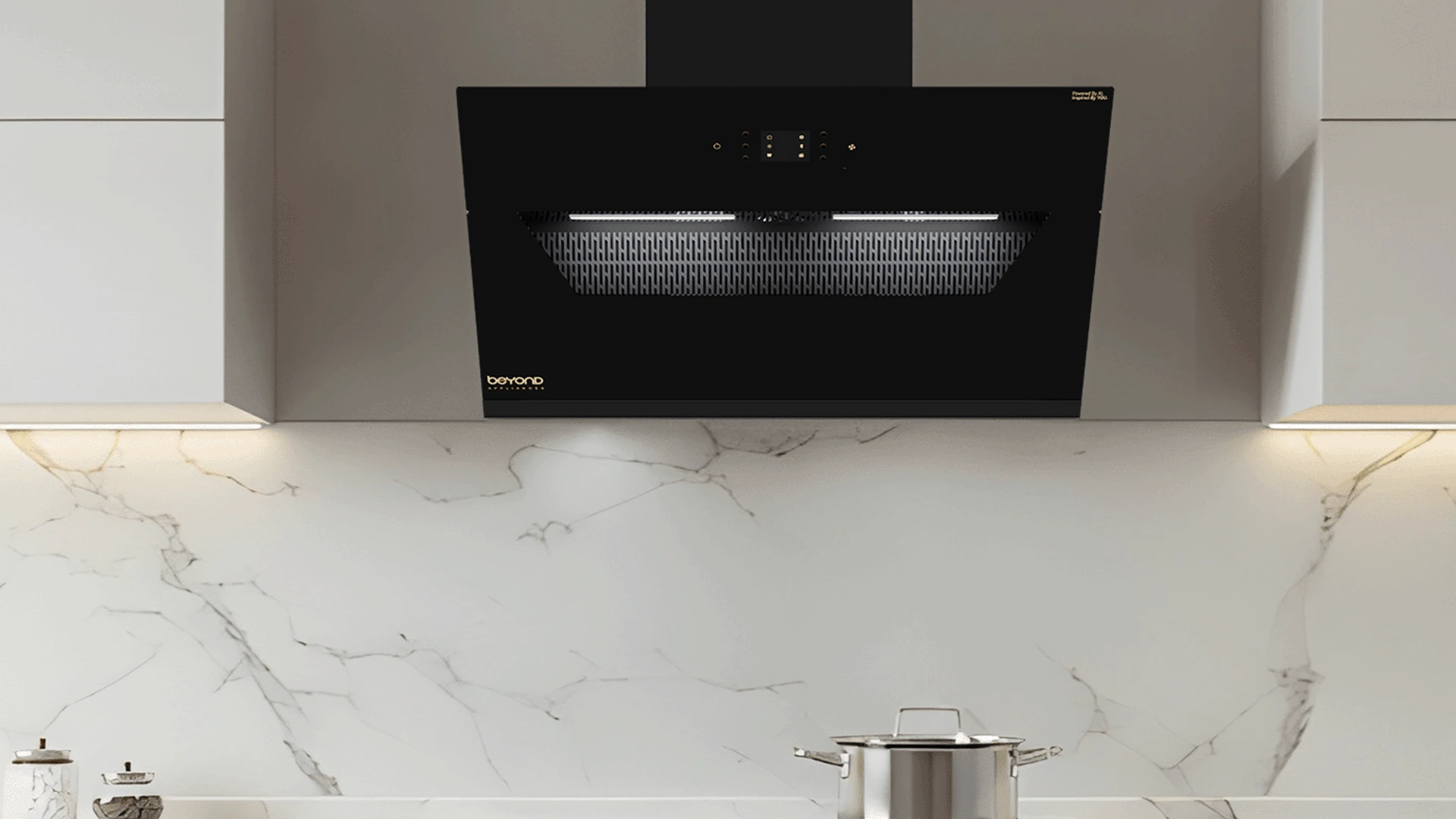
Modern chimney designs embrace clean geometric lines and simple forms. These sleek installations feature straight edges, minimal ornamentation, and smooth finishes that complement contemporary architecture. Popular materials include brushed stainless steel, matte black finishes, and seamless glass panels that create an uninterrupted visual flow.
Compact chimney solutions now offer multiple functions beyond traditional smoke removal. These innovative designs combine ventilation, air purification, and even ambient lighting in single units. Smart controls allow users to adjust settings remotely, making these systems perfect for modern smart homes.
Eco-friendly chimney construction uses recycled metals, sustainable stone, and low-impact manufacturing processes. These materials reduce environmental footprint while maintaining durability and aesthetic appeal. Energy-efficient designs also help reduce overall home heating costs.
Urban homes demand clever chimney ideas that maximize function without overwhelming limited space. Compact chimney designs address this challenge through innovative engineering and smart placement strategies. These solutions prove that size doesn't determine performance quality. Corner installations make excellent use of otherwise wasted space. Wall-mounted units create floating effects that open up floor areas. Recessed designs integrate seamlessly into existing architecture without protruding into living spaces. These approaches work particularly well in apartments and smaller homes where every square foot matters.
Tall, narrow chimney styles draw the eye upward and create illusions of greater ceiling height. These designs often feature built-in storage compartments or display areas that add functionality beyond heating. The vertical emphasis works especially well in rooms with standard ceiling heights.
Concealed contemporary chimney systems hide mechanical components behind decorative panels or within wall cavities. This approach maintains clean sight lines while providing full functionality. Access panels allow for maintenance without disrupting the overall design aesthetic.
The latest chimney design trends 2025 showcase exciting material combinations that balance beauty with performance. Natural stone remains popular but now appears in unexpected applications like thin veneer panels and textured surfaces. Concrete offers industrial appeal through polished finishes and custom color mixing. Metal finishes have evolved beyond traditional options. Weathered steel creates rustic charm while maintaining modern functionality. Copper develops natural patina over time, adding character and uniqueness to each installation. Powder-coated aluminum provides color consistency and weather resistance for both indoor chimney and outdoor chimney applications.
Advanced surface treatments extend material lifespan and reduce maintenance requirements. Nano-coatings repel water and prevent staining on porous surfaces. Anti-corrosion treatments protect metal components in harsh weather conditions. These innovations ensure long-term beauty and performance.
Neutral tones dominate modern chimney color choices. Warm grays, soft whites, and deep charcoals provide versatile backdrops for various decor styles. Bold accent colors appear in smaller doses through hardware, trim, or decorative elements rather than primary surfaces.
Indoor chimney installations focus on seamless integration with existing room designs. Living room chimneys often serve as focal points that anchor furniture arrangements. The key lies in balancing visual impact with practical considerations like clearances and ventilation requirements. Fireplace design coordination ensures harmony between the chimney structure and hearth elements. Matching materials and proportions create cohesive appearances. Modern installations often eliminate traditional mantels in favor of clean, uninterrupted surfaces that emphasize the fire itself.
Outdoor chimney designs extend living spaces into gardens, patios, and decks. These installations require weather-resistant materials and proper drainage systems. Popular locations include outdoor kitchens, seating areas, and pool surrounds where they provide warmth and ambiance. Landscape integration considers sight lines, wind patterns, and seasonal changes. Proper placement ensures optimal performance while enhancing outdoor aesthetics. Professional installation addresses foundation requirements and local building codes.
Successful chimney construction begins with thorough planning and realistic budgeting. Basic installations start around INR 25,000 for simple designs, while custom solutions can reach INR 2,00,000 or more. Factors affecting cost include materials, size, complexity, and local labor rates. Permit requirements vary by location and installation type. Most areas require permits for new construction or major modifications. Professional consultation helps navigate local codes and ensures compliance with safety standards. Timeline planning should account for permit approval, material delivery, and weather conditions.
Experienced contractors provide valuable insights into design feasibility and cost optimization. They understand local building codes and can suggest alternatives that meet both aesthetic and regulatory requirements. Quality installation ensures safety, performance, and warranty coverage.
Regular maintenance preserves appearance and extends system lifespan. Annual inspections identify potential issues before they become costly problems. Cleaning schedules depend on usage frequency and fuel type. Professional service ensures thorough cleaning and safety checks.
Linear designs using standard materials offer excellent value. Prefabricated units reduce installation costs while providing modern aesthetics. Focus on quality materials in key visible areas while using economical options for hidden components.
Consider your primary usage goals and available space. Indoor installations provide year-round comfort and serve as architectural features. Outdoor options extend entertaining seasons and create unique gathering spaces.
Traditional homes benefit from classic proportions with modern material updates. Contemporary architecture pairs well with geometric designs and industrial materials. Transitional styles allow mixing elements from different periods.
Modern compact designs often exceed traditional efficiency through improved engineering and materials. Proper sizing based on space requirements ensures optimal performance regardless of overall dimensions.
Simple installations complete in 2-3 days. Complex custom designs may require 1-2 weeks. Weather conditions and permit approval can extend timelines. Professional contractors provide accurate estimates based on specific project requirements.
Most jurisdictions require building permits for new installations or major modifications. Gas connections need separate permits and inspections. Local fire departments may have additional requirements for safety clearances.
The chimney design trends 2025 emphasize functionality, sustainability, and aesthetic integration. Whether choosing compact chimney solutions for small spaces or statement pieces for large rooms, focus on quality materials and professional installation. Consider long-term maintenance requirements and local building codes during planning phases. These investments enhance both comfort and property value while providing years of reliable performance.
