

Ergonomic Hob Design: Essential Kitchen Insights
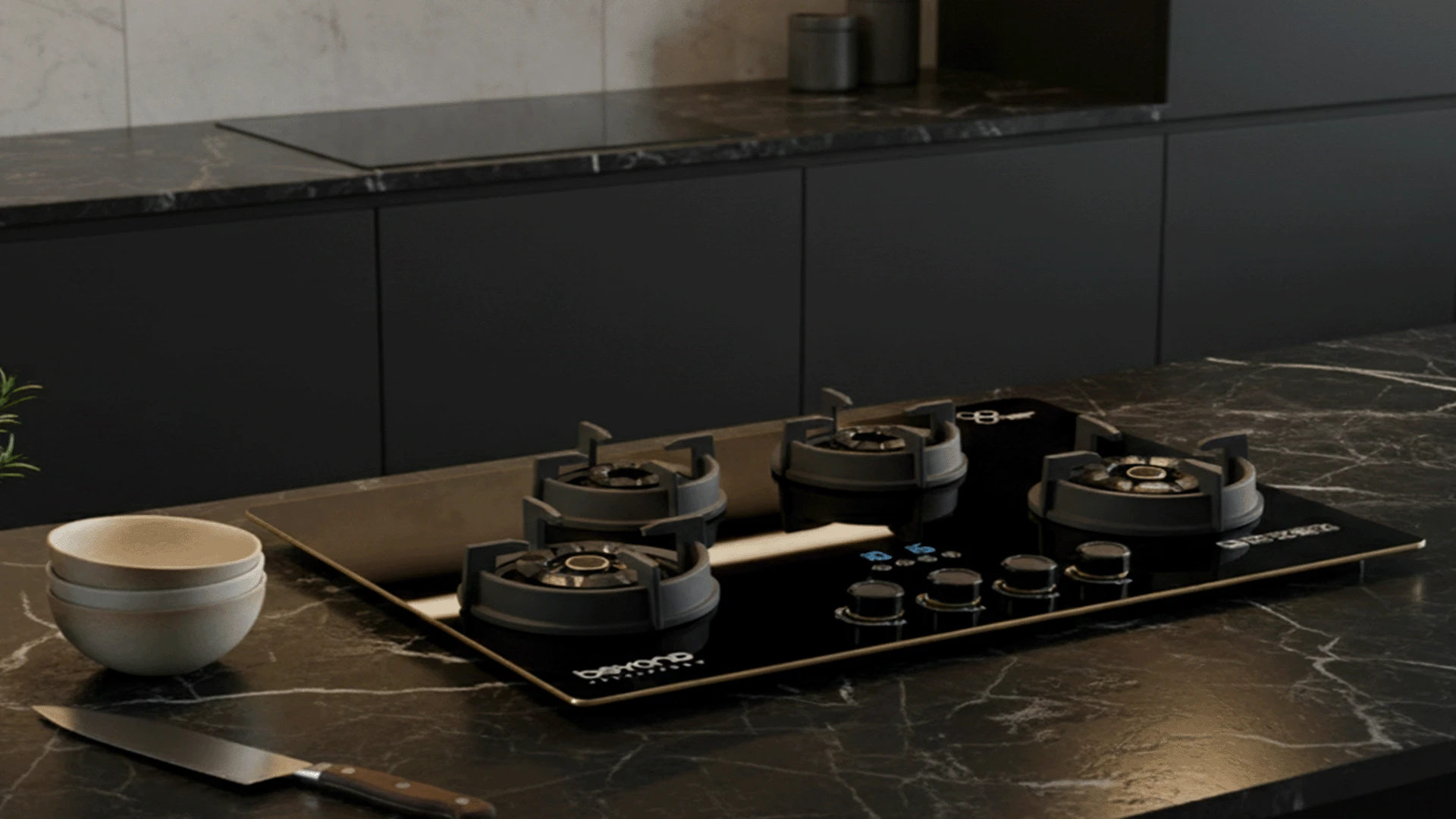
Modern kitchens demand more than just functional appliances—they require thoughtful design that prioritizes user comfort and efficiency. Ergonomic hob design principles form the foundation of a kitchen that reduces physical strain while enhancing cooking performance. Studies show that poorly designed cooking spaces contribute to back pain, shoulder tension, and fatigue in over 60% of home cooks. When you understand and apply proper hob ergonomics, you create a cooking environment that supports natural body movements and promotes long-term health. This comprehensive guide explores essential design principles that transform your kitchen into an efficient, comfortable workspace where cooking becomes a pleasure rather than a chore.
Effective ergonomic kitchen design centers around five fundamental principles that work together to create an optimal cooking experience. These principles ensure your hob integrates seamlessly with your natural movements and cooking habits.
Proper hob height allows you to cook with your shoulders relaxed and elbows at a comfortable 90-degree angle. The ideal height typically ranges from 85-95 cm from the floor, depending on your height and cooking style.
Minimizing physical effort involves positioning controls within easy reach and ensuring smooth operation of all hob functions. Quality gas stoves and cooktops feature responsive controls that require minimal pressure to operate.
Optimal placement keeps all cooking zones within a comfortable arm's reach without requiring excessive stretching or leaning. This principle particularly benefits compact hob design where space efficiency meets user comfort.
Smart hob layout reduces unnecessary movements between cooking zones, controls, and preparation areas. This creates a natural flow that supports efficient cooking processes.
Comfortable interaction surfaces prevent strain on hands, wrists, and arms during extended cooking sessions. Rounded edges and smooth surfaces contribute to overall comfort.
Proper hob positioning forms the cornerstone of kitchen ergonomics. The relationship between your hob height and your body dimensions directly impacts cooking comfort and efficiency.
While standard counter heights work for average users, customized heights accommodate different family members. Adjustable or varied height solutions ensure everyone can cook comfortably.
The classic kitchen work triangle places your hob at an optimal distance from sink and refrigerator. This arrangement minimizes walking while maintaining efficient workflow patterns.
Adequate space above your hob ensures safe operation and proper ventilation. Minimum clearances prevent accidents while allowing comfortable movement around the cooking area.
Seamless integration between hob surface and surrounding counters creates continuous workspace. This design approach supports natural cooking movements and reduces strain.
Compact hob design addresses the growing demand for efficient use of kitchen space without compromising ergonomic benefits. Modern solutions maximize functionality while maintaining user comfort.
Flexible cooking zones adapt to different pot sizes and cooking methods. Advanced hobtops feature zones that can combine or separate based on your cooking needs.
Ergonomic storage placement keeps frequently used items within easy reach. Drawer systems below the hob provide convenient access to cookware and utensils.
Proper ventilation design maintains air quality without interfering with cooking ergonomics. Modern chimneys integrate seamlessly with ergonomic stove design principles.
Modern hob design emphasizes intuitive controls that enhance safety and ease of use. The placement and operation of controls significantly impact overall ergonomic performance.
Front-mounted controls eliminate the need to reach over hot surfaces, while side controls offer alternative access points. The best placement depends on your kitchen layout and cooking habits.
Clear markings and responsive controls provide immediate feedback during operation. Quality gas stoves feature controls that offer distinct positions and smooth operation.
Built-in safety features like automatic shut-off and child locks integrate seamlessly into the overall design. These features enhance safety without compromising ergonomic principles.
Choosing appropriate materials supports both ergonomic function and durability. The right materials reduce maintenance effort while providing safe, comfortable cooking surfaces.
Easy-clean surfaces reduce the physical effort required for maintenance. Smooth, non-porous materials prevent buildup and simplify cleaning routines.
Anti-slip surfaces and secure cookware placement prevent accidents during cooking. Proper surface textures provide stability without creating cleaning challenges.
Accessible kitchen design considers how your hob works within the broader kitchen ecosystem. Successful integration creates a cohesive workspace that supports all cooking activities.
Your hob's position within the cooking sequence affects overall kitchen efficiency. Strategic placement supports natural movement patterns from preparation to cooking to serving.
Nearby storage solutions keep essential items within easy reach. Ergonomic cabinet and drawer design complements hob placement for maximum efficiency.
The five core principles include neutral posture maintenance, force reduction, accessible reach zones, motion efficiency, and pressure point elimination. These principles work together to create comfortable, safe cooking environments.
The ideal hob height typically ranges from 85-95 cm from the floor, depending on user height. Taller users may prefer heights up to 100 cm, while shorter users benefit from lower positions around 80-85 cm.
Compact designs use multi-zone cooking surfaces, efficient control placement, and integrated storage to maximize functionality. Quality compact hobtops maintain proper spacing and accessibility within smaller footprints.
Essential safety features include automatic shut-off systems, child safety locks, flame failure protection, and clear visual indicators. These features integrate seamlessly without compromising ease of use.
Both options can provide excellent ergonomics when properly designed. Gas stoves offer immediate heat control and visual flame indicators, while electric cooktops provide smooth surfaces and precise temperature control.
Proper ventilation maintains air quality and removes cooking odors without interfering with cooking activities. Well-designed chimneys integrate with hob placement to provide effective ventilation while maintaining ergonomic access.
Effective ergonomic hob design principles transform your kitchen into a comfortable, efficient workspace that supports healthy cooking habits. By focusing on proper height, accessible controls, and thoughtful integration with your overall kitchen design, you create an environment that reduces strain and enhances cooking enjoyment. Whether you're planning a complete kitchen renovation or upgrading individual appliances, prioritizing ergonomic design ensures long-term satisfaction and improved cooking experiences. Remember that the best ergonomic design adapts to your specific needs, cooking style, and physical requirements.
