

Efficient Hob Mastery: Your Complete Cooking Guide
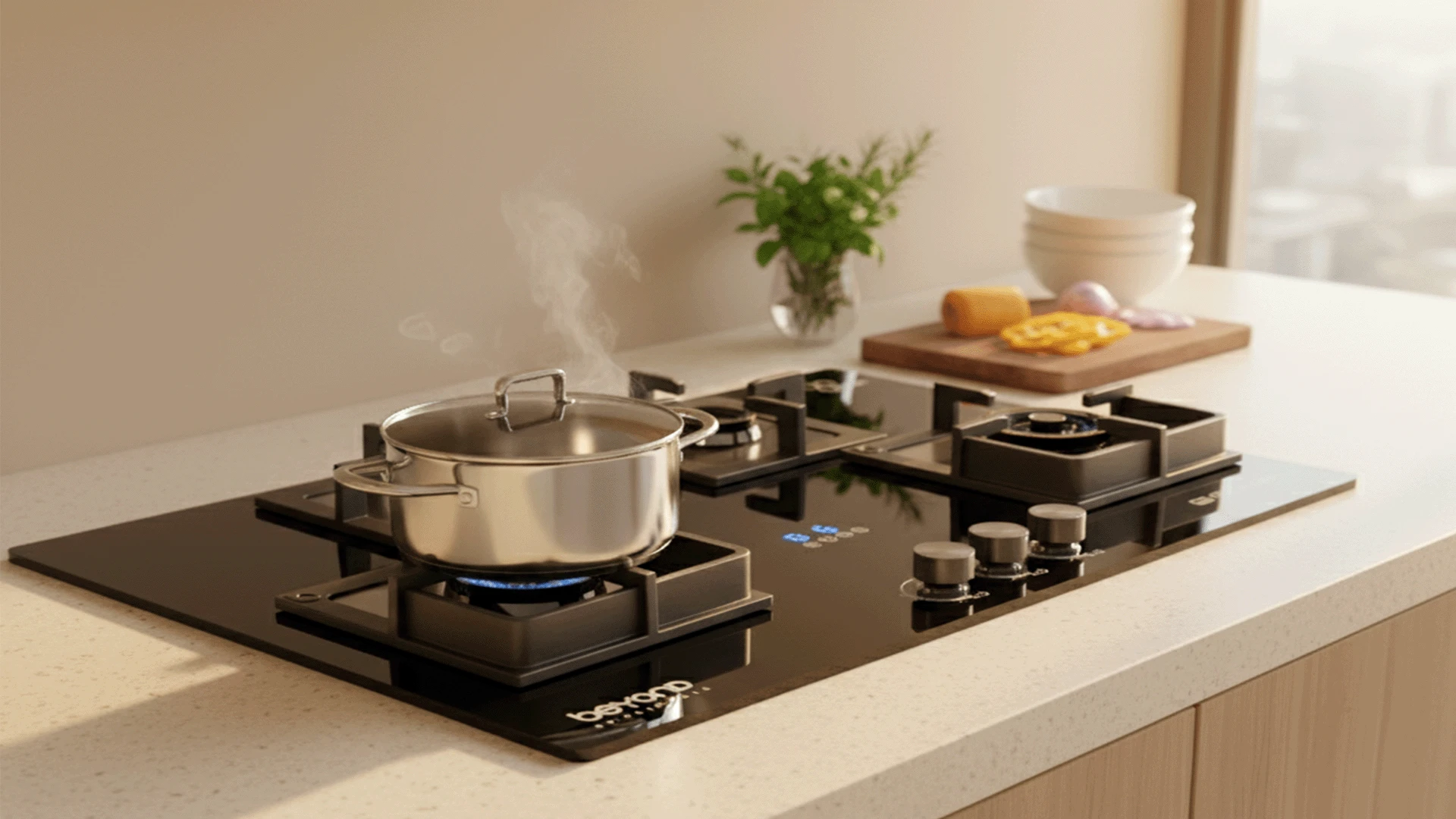
Modern kitchens demand appliances that combine performance with efficiency. Whether you're setting up your first kitchen or upgrading to a more energy-conscious cooking solution, understanding how to use efficient hob properly can transform your cooking experience. Smart hob usage not only reduces energy bills but also delivers consistent, professional-quality results. From initial setup to advanced cooking techniques, mastering your hob's capabilities ensures you get the most value from your investment while contributing to a more sustainable lifestyle.
Setting up your new hob correctly establishes the foundation for years of efficient hob cooking. Begin by checking all connections and ensuring proper ventilation around the appliance. Modern hobs like the Hoptop Altair feature auto ignition systems that eliminate the need for manual lighting - simply press, turn and hold the knobs to activate the burners safely.
Verify that your hob is compatible with your gas supply. Most quality hobs support both LPG and PNG connections, offering flexibility for different household setups. Check that the flame failure device is functioning properly - this safety sensor automatically cuts off gas supply if flames extinguish unexpectedly, preventing dangerous gas accumulation.
Familiarize yourself with advanced features that enhance cooking efficiency. Smart timer functions allow you to set cooking durations, with the hob automatically turning off when time expires. This prevents overcooking and saves energy. Locate the different burner types on your hob - jumbo burners for large cookware when cooking for groups, and dum flame settings for slow-cooking dishes like biryani.
Proper hob cooking techniques significantly impact both energy consumption and cooking quality. The key lies in matching cookware size to burner capacity and understanding heat distribution patterns. Quality hobs feature vessel collision-free designs that allow simultaneous use of all burners without cookware interference.
Choose cookware that matches burner sizes for optimal heat transfer. Oversized pots on small burners waste energy, while undersized vessels on large burners create uneven heating. Cast iron supports keep cookware steady and prevent wobbling, ensuring consistent contact with the flame for even cooking.
Start with higher heat settings for initial heating, then reduce to maintain cooking temperatures. Full brass burners provide superior heat distribution and durability while consuming less gas. Use dum flame settings for gentle simmering and slow-cooking processes that require sustained low heat over extended periods.
Implementing smart hob energy saving tips can dramatically reduce your cooking costs while maintaining excellent results. Strategic cooking habits and proper maintenance contribute to significant hob power consumption reductions.
Plan cooking sequences to maximize residual heat usage. Cook items requiring high heat first, then use remaining warmth for gentler cooking tasks. This approach minimizes energy waste and reduces overall cooking time.
Use appropriate burner sizes for different cooking tasks. Reserve jumbo burners for large-scale cooking and use smaller burners for single-serving preparations. This targeted approach ensures you're not wasting energy on oversized flames for small cooking tasks.
Modern hob efficiency stems from thoughtful engineering and quality materials. Advanced features like 8mm toughened glass surfaces handle high heat effortlessly while providing scratch-resistant durability for long-lasting use.
Modern efficient hobs incorporate multiple safety features without compromising performance. Spill-proof designs with dedicated spill trays prevent liquids from seeping into internal components, maintaining hygiene and preventing damage. Auto ignition systems eliminate the need for matches or lighters, providing instant, safe flame activation.
Convertible designs offer flexibility for different kitchen layouts. Quality hobs can function as built-in installations or freestanding tabletop units, adapting to various space requirements without sacrificing performance or safety features.
Compact hob design doesn't mean compromising on functionality. Modern small hob efficiency focuses on space optimization while maintaining full cooking capabilities. Strategic design elements ensure maximum utility within minimal footprint requirements.
Utilize vertical cooking methods and stackable cookware to maximize limited counter space. Plan meal preparation to use multiple burners simultaneously, reducing overall cooking time and energy consumption.
Employ cooking techniques that serve multiple purposes. Use larger pots for batch cooking, then portion and store meals for later use. This approach maximizes efficiency while minimizing repeated energy consumption for individual meal preparation.
Regular hob maintenance tips ensure sustained performance and energy efficiency. Proper care extends appliance lifespan while maintaining optimal cooking capabilities.
Clean spills immediately to prevent buildup that can affect heat transfer efficiency. Wipe down toughened glass surfaces with appropriate cleaners to maintain their heat-conducting properties and visual appeal.
Regularly inspect burner components for blockages or wear. Clean brass burners periodically to maintain optimal gas flow and heat distribution. Check that cast iron supports remain stable and properly positioned for safe cookware placement.
Ensure gas supply is connected and turned on. Press, turn and hold the control knob while the auto ignition system lights the burner. Hold for a few seconds until the flame stabilizes, then release. The flame failure device will monitor the flame continuously.
Gas hobs with full brass burners typically offer excellent efficiency for most cooking tasks. They provide instant heat control and work with all cookware types. Look for models with multiple burner sizes to match cooking needs precisely.
Match cookware size to burner capacity, use lids to retain heat, and plan cooking sequences to utilize residual heat. Regular maintenance of burner components ensures optimal gas flow and complete combustion for maximum efficiency.
Use flat-bottomed pots and pans that match burner sizes. Heavy-bottomed cookware distributes heat evenly and retains temperature better. Ensure cookware sits stable on cast iron supports for optimal heat transfer and safety.
Clean spills immediately and perform thorough cleaning weekly. Deep clean burner components monthly to prevent blockages. Regular maintenance prevents efficiency loss and extends appliance lifespan significantly.
Mastering how to use efficient hob involves understanding your appliance's features, implementing smart cooking techniques, and maintaining equipment properly. Quality hobs with advanced safety features, durable materials, and thoughtful design elements provide the foundation for efficient cooking. Regular maintenance and strategic usage patterns can reduce energy consumption by up to 40% while delivering superior cooking results. Whether you're working with a compact design or full-sized installation, the principles of efficient hob usage remain consistent: match tools to tasks, maintain equipment properly, and leverage advanced features for optimal performance.
