

Efficient Hob 101: Everything You Need to Know
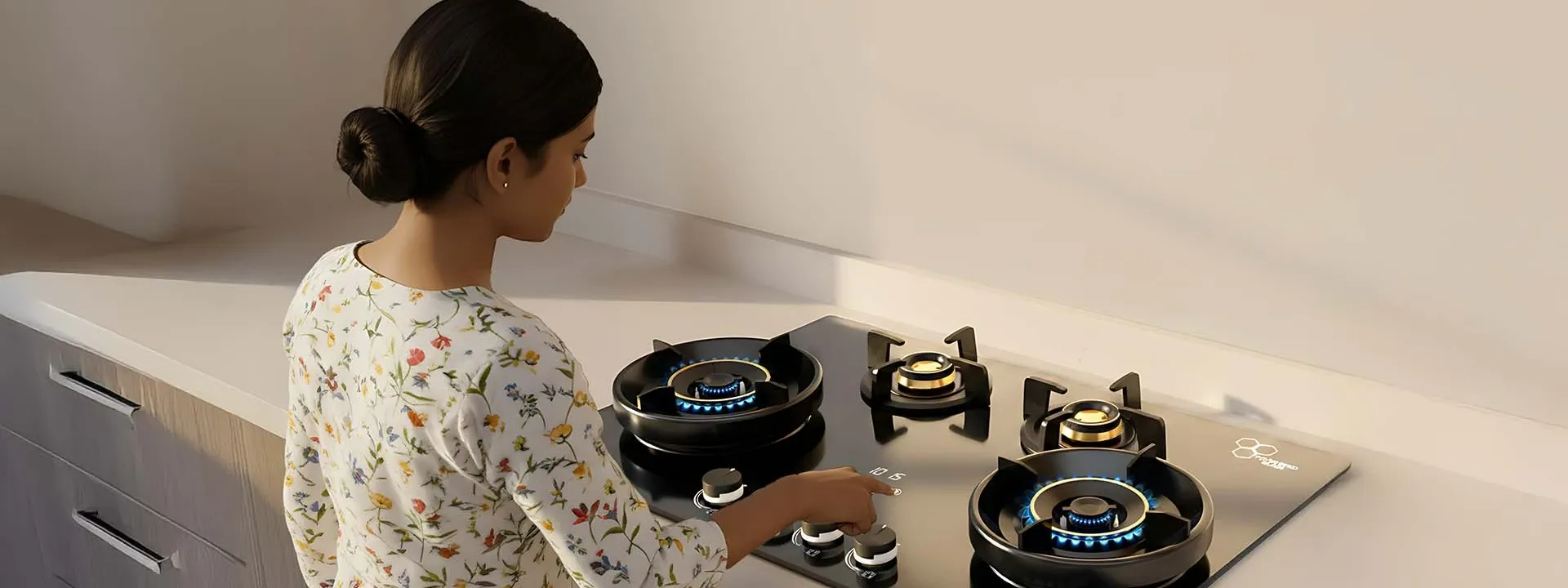
Modern kitchens demand smart solutions that combine performance with efficiency. Today's homemakers seek appliances that not only deliver excellent cooking results but also help reduce energy consumption and monthly bills. An efficient hob represents the perfect balance between advanced technology and practical everyday use. Whether you're upgrading your kitchen or building a new home, understanding the benefits of efficient hob technology can transform your cooking experience while contributing to a more sustainable lifestyle.
An efficient hob converts maximum energy into usable heat with minimal waste. The key lies in how different technologies transfer energy to your cookware. Traditional gas hobs convert only 40-50% of energy into heat, while electric ceramic models achieve 65-70% efficiency. However, induction technology leads the pack with an impressive 90% energy conversion rate. Electromagnetic induction works by creating a magnetic field that directly heats compatible cookware. This eliminates the energy loss that occurs when heat transfers through intermediate surfaces. The result is faster cooking times and significantly reduced energy consumption.
Different hob technologies show varying efficiency levels. Gas hobs lose substantial energy through flame dispersion and heat radiation. Electric ceramic hobs waste energy heating the surface before transferring heat to cookware. Energy efficient cooktop designs focus on direct heat transfer methods that minimize these losses.
Modern hob design incorporates features like precise temperature controls, smart sensors, and optimized burner configurations. These innovations ensure every unit of energy contributes directly to cooking performance rather than being lost to the environment.
The induction hob benefits extend far beyond simple energy savings. When you choose an energy efficient hob, you're investing in technology that can reduce cooking-related energy consumption by up to 70%. This translates to approximately 25% savings on your monthly energy bills. Faster cooking times mean less energy usage overall. Induction hobs heat cookware directly, bringing water to boil in nearly half the time required by traditional methods. This speed advantage compounds the energy savings, making every cooking session more efficient.
The benefits of induction cooking include instant temperature adjustments that prevent energy waste. Unlike gas flames that continue burning at set levels, induction responds immediately to control changes. This precision eliminates the common practice of overshooting desired temperatures and then waiting for adjustment.
A typical household can save INR 2,000-3,000 annually by switching to an energy efficient hob. Beyond personal savings, efficient cooking methods reduce overall energy demand and contribute to environmental conservation efforts.
A compact hob doesn't compromise on performance or efficiency. Modern designs maximize cooking capability within smaller footprints, perfect for contemporary kitchens where space optimization is crucial. These units often feature multi-zone configurations that allow simultaneous cooking without sacrificing energy efficiency. Modern hob design emphasizes sleek aesthetics alongside functional benefits. Compact models integrate seamlessly into various kitchen layouts, offering installation flexibility as both built-in and freestanding options. The convertible design approach ensures your investment adapts to changing kitchen configurations.
Compact efficient hobs often feature intelligent zone management that optimizes energy distribution based on cookware size and cooking requirements. This smart allocation prevents energy waste while maintaining consistent cooking performance across all burners.
The convertible nature of many compact hobs provides installation options that suit different kitchen designs. Whether integrated into countertops or used as portable units, these hobs maintain their efficiency ratings across various configurations.
Hob energy saving features represent the latest advancement in cooking technology. Smart timers automatically shut off burners when cooking time expires, preventing unnecessary energy consumption. The Hoptop Altair model exemplifies this approach with its smart timer that automatically turns off gas and flame when the set time completes. Power boost modes provide intense heat for quick cooking tasks, then automatically return to standard settings. This feature ensures you use maximum energy only when necessary, optimizing overall consumption patterns.
Advanced hob features include sensors that detect cookware size and adjust power accordingly. Flame failure devices cut off gas supply if flames extinguish unexpectedly, preventing waste and ensuring safety. These automated systems eliminate human error that often leads to energy waste.
Many efficient hobs include eco-mode settings that optimize energy usage for standard cooking tasks. These modes balance performance with conservation, ensuring excellent results while minimizing energy consumption.
The benefits of efficient hob technology extend to enhanced safety features. Cool-to-touch surfaces reduce accident risks, especially important in households with children. The absence of open flames eliminates gas leak concerns and reduces fire hazards. Instant heat control provides immediate response to temperature adjustments. This responsiveness improves cooking precision while preventing energy waste from temperature overshooting. Even heat distribution ensures consistent cooking results across the entire cookware surface.
Modern efficient hobs incorporate multiple safety layers. Auto-ignition systems eliminate the need for manual lighting, while child safety locks prevent accidental activation. Full brass burners in gas models provide durability and improved gas efficiency.
Cast iron supports keep cookware steady, preventing wobbling that can affect heat distribution. Spill-proof designs with dedicated trays prevent liquids from seeping into internal components, maintaining efficiency over time.
Selecting an efficient hob requires considering power ratings, size requirements, and essential features. Power options typically range from 1200W for basic cooking to 2000W for high-performance applications. Higher wattage provides faster heating but should match your actual cooking needs to avoid unnecessary energy consumption. Cooktop efficiency depends on matching hob capabilities with your cooking patterns. Consider factors like family size, cooking frequency, and preferred cooking methods when evaluating different models.
Induction hobs require magnetic cookware, while gas models work with any heat-resistant materials. Ensure your existing cookware matches your chosen hob type, or factor replacement costs into your budget planning.
While efficient hobs may have higher initial costs, the long-term savings through reduced energy consumption often justify the investment. Extended warranty options and after-sales service support add value to your purchase decision.
Induction hobs are the most energy-efficient option, converting up to 90% of energy directly into heat. They use electromagnetic fields to heat cookware directly rather than heating the surface first, resulting in minimal energy waste.
Induction hobs offer fast heating, 90% energy efficiency, precise temperature control, enhanced safety with cool surfaces, and easy cleaning due to their smooth design. They also provide instant heat adjustments and eliminate open flame risks.
Energy-efficient hobs can reduce your cooking-related energy consumption by up to 70% and save approximately 25% on your overall energy bills. Typical households save INR 2,000-3,000 annually compared to traditional cooking methods.
Induction hobs require magnetic cookware made from materials like cast iron or magnetic stainless steel. Gas hobs work with any heat-resistant cookware. Check your existing pots and pans before choosing your hob type.
Yes, compact hobs maintain the same efficiency ratings as larger models. Modern designs optimize energy distribution across smaller footprints without compromising performance or energy-saving capabilities.
Efficient hobs represent a smart investment in modern kitchen technology. The combination of energy savings, enhanced safety, and improved cooking performance makes them essential for contemporary homes. Whether you choose induction technology for maximum efficiency or advanced gas models with smart features, the benefits extend beyond immediate convenience to long-term cost savings and environmental responsibility. Consider your cooking needs, kitchen space, and budget when selecting the right efficient hob for your home.
